OBR chief: Public ‘have not lowered their expectations about what the state can do’
A top economist at the Office for Budget Responsibility (OBR) has sent a warning on the effect more tax rises could have on growth and on the public’s expectations about “what the state can do for them”. Professor David Miles, who is one of three top members at the independent fiscal watchdog, said that the [...]
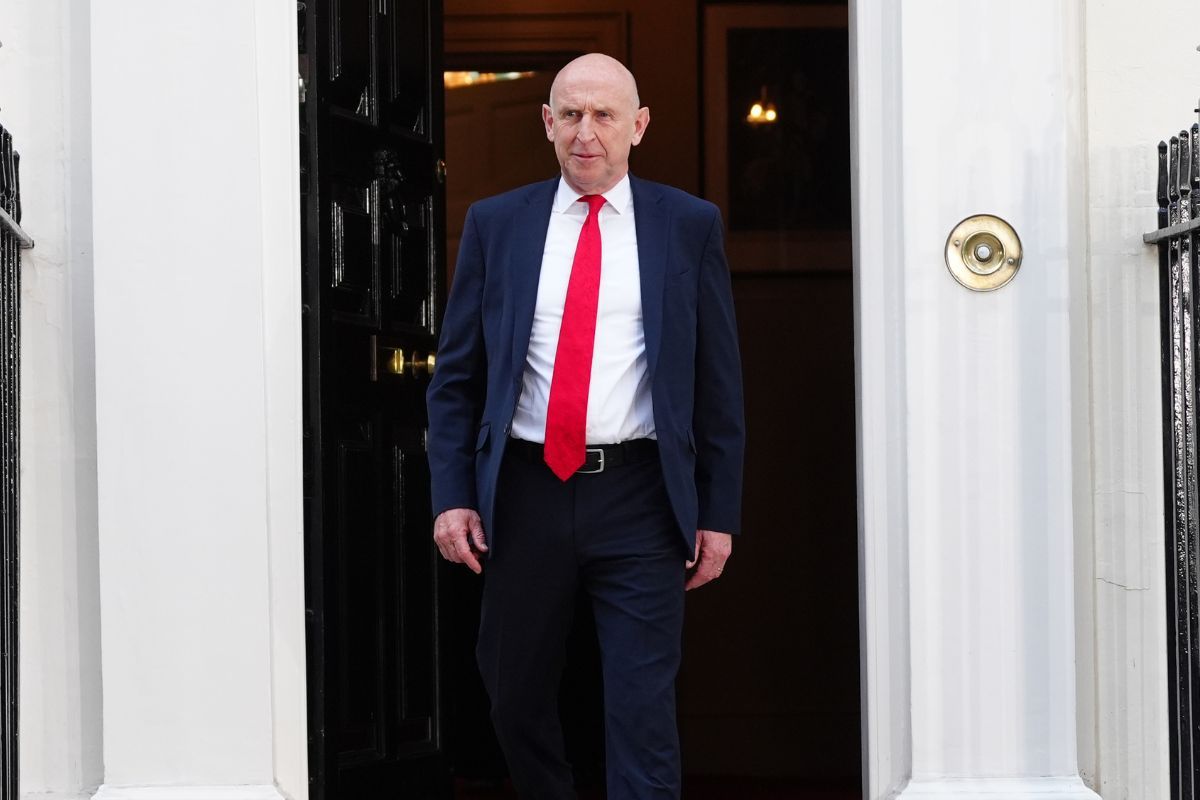
Professor David Miles, a top economist at the Office for Budget Responsibility (OBR), has warned about the potential impact of tax increases on economic growth and the public's expectations of the state. Miles, one of three key members at the independent fiscal watchdog, expressed concern that the UK economy could face higher costs from adding to the current tax burden. His comments come as the UK prepares for the upcoming Budget, in which Chancellor John Healey is expected to raise taxes.
Miles emphasized the significance of the OBR's forecasts and judgments in determining whether the government has adhered to its fiscal rules. He highlighted that one of the main issues surrounding public debt is the electorate's expectations of the state's capacity to deliver services. Miles attributed the rise in debt, in part, to the public's unrealistic expectations about the level of public services that can be maintained given reduced resources due to poor productivity.
Speaking at a policy conference, Miles jokingly mentioned that he would "remove any excess optimism" regarding public finances. He also cautioned that current tax and spending policies were setting the UK on an unsustainable path for debt levels. The Office for Budget Responsibility forecasted that public debt could reach 270% of GDP by the mid-2070s, based on current policies and welfare spending.
Miles warned that waiting for a productivity boom in the UK economy, which would help grow the economy and ease pressures on public finances, was a risky strategy. He stated, "Getting lucky isn't a plan." Instead, he urged the government to take proactive measures rather than hoping for a favorable outcome in the future. Miles suggested that policymakers should consider drastic combinations of public service cuts and tax increases if necessary to address the mounting fiscal challenges.
While Miles acknowledged that raising taxes could help alleviate pressure on debt as a share of GDP, he cautioned that a tax burden beyond 37% of GDP could lead to additional costs on incentives for growth. He noted that the cost of increasing taxes becomes more significant at higher levels, following an exponential curve. Miles stressed that policymakers must carefully consider the mix of spending and tax to ensure long-term sustainability.
He also pointed out that the outlook on public expenditure was "depressing," as defence spending was expected to rise by 0.4 percentage points by 2030, adding £11bn to the UK economy annually.
Written by urgent.news from City AM's reporting — not their text. Machine-written — may contain errors; check the original before relying on it.