Ningbo’s smart port model shows what Mombasa can learn from China
Ningbo-Zhoushan was formed in 2006 through the merger of the Ningbo and Zhoushan ports, bringing together a collection of terminals and facilities along Zhejiang's coast.
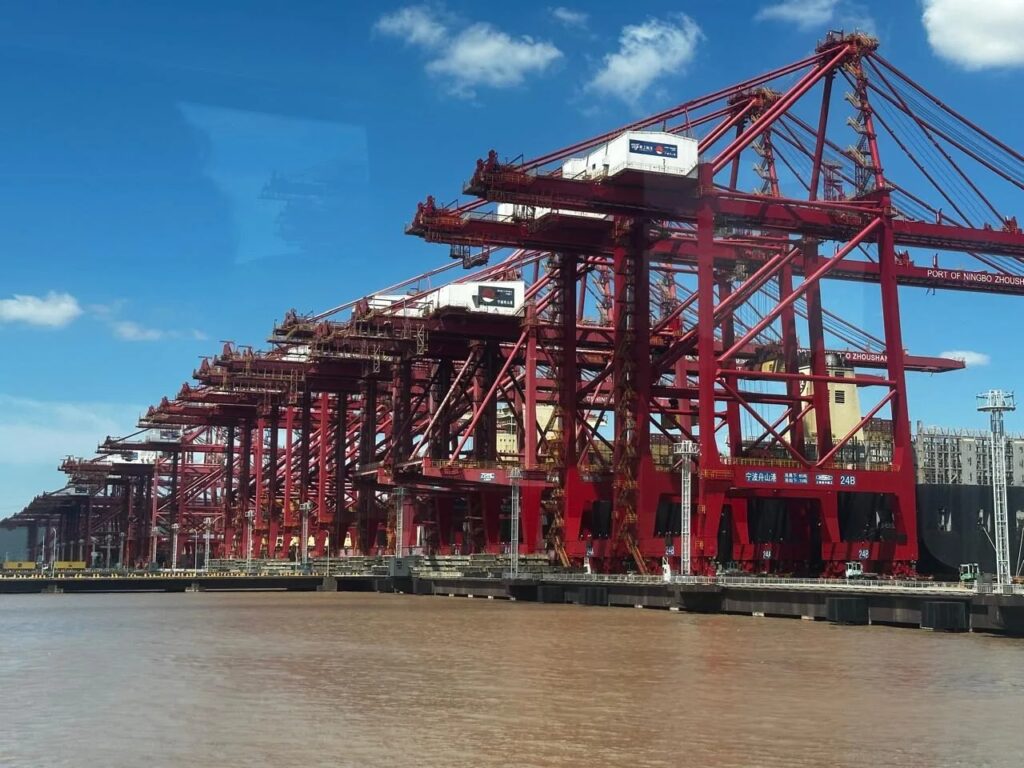
Ningbo-Zhoushan Port in China is a technological marvel, with artificial intelligence and automation playing a central role in managing its massive cargo throughput. The port handled over 40 million TEUs in 2025, making it the world's busiest port by cargo volume for the 17th consecutive year. Its 210+ berths can accommodate vessels up to 50,000 tonnes, and it connects to over 300 container shipping routes to more than 600 ports worldwide.
Artificial intelligence plays a crucial role in predicting container ship arrivals, optimizing berth allocation, and coordinating the movement of goods. While the port employs humans, automation is being introduced in areas like remote crane operations and automated container handling. For Kenya's Port of Mombasa, which is experiencing growth in cargo volumes, Ningbo-Zhoushan offers valuable insights.
The port's focus on data-driven decision-making and the careful integration of automation with human oversight could help Mombasa optimize its operations and handle increased traffic more efficiently.
Written by urgent.news from Capital Business's reporting — not their text. Machine-written — may contain errors; check the original before relying on it.