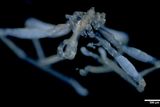
Ningaloo Reef corals reveal early fall spawning window for two key species
Curtin University scientists have uncovered an important missing piece in the puzzle of how some coral reefs can recover from climate events, providing information that could help guide future conservation and restoration efforts.

Scientists from Curtin University have discovered that two key coral species found on Ningaloo Reef off the Western Australian coast have an early fall spawning window. This groundbreaking finding, published in the journal Marine Biology, provides crucial information for future conservation and restoration efforts. The research team examined 20 coral colonies from Ningaloo Reef and found evidence that Porites lutea and Porites lobata, two important reef-building corals, were preparing to spawn during the reef's annual early fall mass spawning period.
This is the first reproductive baseline for these species at Ningaloo Reef. In contrast, a third species, Porites australiensis, showed no signs of reproduction during the sampling periods, suggesting it may spawn at a different time of year. Understanding when these corals reproduce is essential for tracking their recovery from climate events, assessing reef health, and guiding restoration programs.
The study also found regional differences in spawning times between Ningaloo Reef and populations of the same species recorded farther north, which could impact reef recovery and genetic diversity.
Written by urgent.news from Phys.org's reporting — not their text. Machine-written — may contain errors; check the original before relying on it.