Nepal disaster is a warning for Peru’s glacier defences
Peru built world-renowned defences against glacial floods, before decentralisation and financial austerity caused them to crumble The post Nepal disaster is a warning for Peru’s glacier defences appeared first on Dialogue Earth .
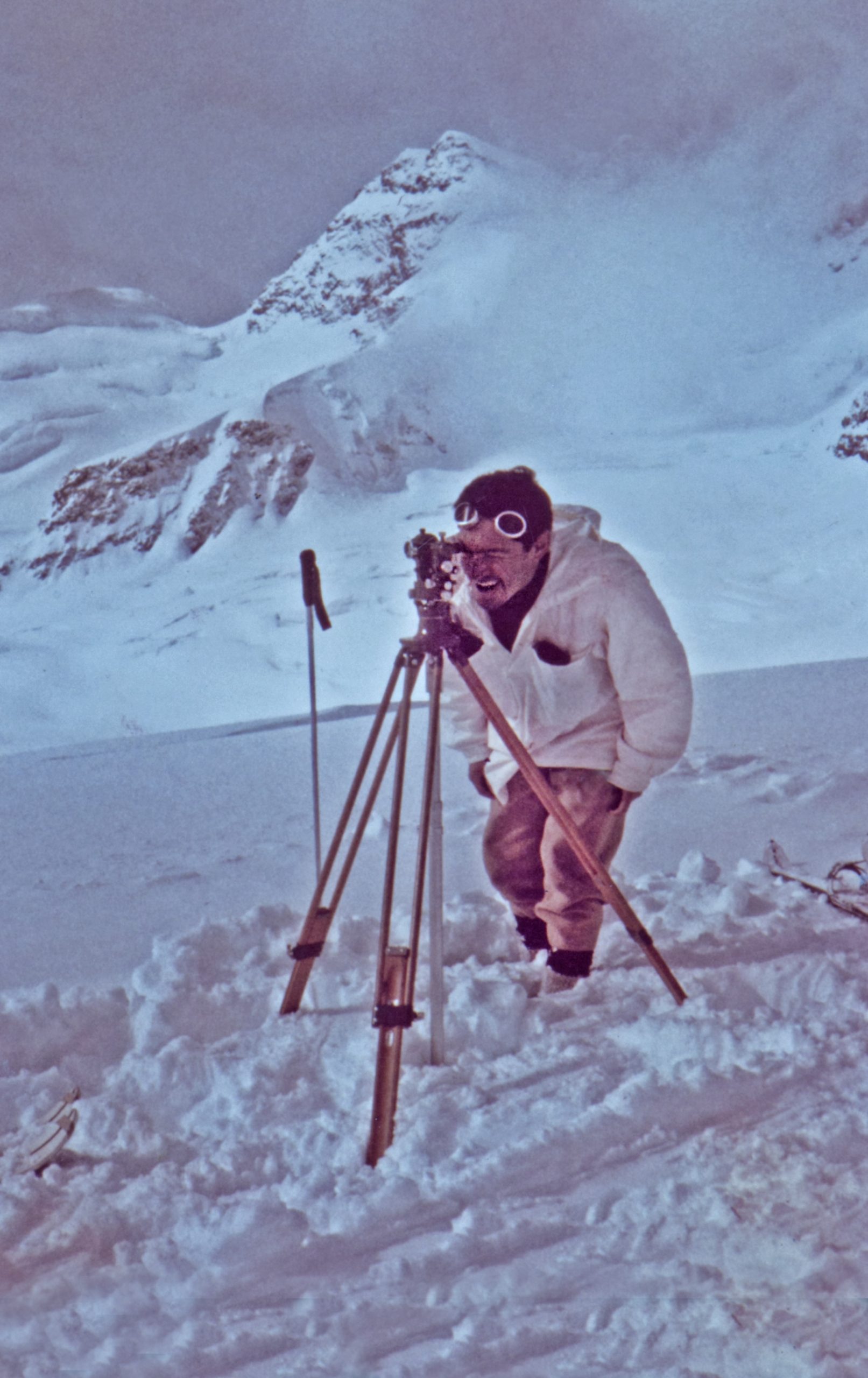
In December 1941, a catastrophic event unfolded in the Peruvian Andes that would have lasting implications for the country's approach to glacier risks. Seven-year-old Benjamín Morales witnessed his neighbors' homes being swept away by water, rocks, and mud as the Palcacocha glacial lake burst, killing thousands. This event marked the beginning of Morales' lifelong dedication to studying and mitigating glacier-related hazards.
Throughout his career, Morales, a renowned Peruvian geologist, led crucial initiatives to reduce the risks posed by glaciers in Peru's Cordillera Blanca mountain range. The 1962 destruction of the town of Ranrahirca and the 1970 Yungay avalanche triggered by an earthquake are among the three deadliest glacier-related disasters in the past century that he personally witnessed.
Glacial lake outburst floods (GLOFs) present a significant risk to Peru, as they are caused by the sudden release of water from a lake formed by meltwater from a mountain glacier, which is held back by ice or a moraine. These events can be triggered by earthquakes, avalanches, or excessive meltwater. GLOFs are often highly destructive and are particularly dangerous in regions with steep tropical glaciers and densely populated communities near river channels.
Peru has taken steps to address these risks, starting with the establishment of the Lakes Commission and later the Corporación Peruana del Santa, state institutions responsible for preventing disasters in glacier-fed basins. These bodies later passed responsibility to Electroperú, which carried out prevention works through the 1990s.
Morales and his colleagues developed a four-step approach to stabilize glacial lakes, including lowering lake water levels, building drainage tunnels, reinforcing containment dams, and constructing hydraulic overflow channels.
This pioneering response has had a profound impact, with Morales' work garnering international recognition. The Cordillera Blanca was the site of some of these projects, with engineers drilling through glaciers, excavating tunnels, and drilling through solid rock to better understand and manage the risks. These efforts led to the stabilization of 35 glacial lakes in the Cordillera Blanca, earning Peru a reputation as a pioneer in glacier safety.
However, this progress began to unravel around the turn of the century. Budget cuts led to the closure of Peru's historic Glaciology and Lake Safety Programme in 2000, leaving the country with a structural crisis in glacier management. Today, fragmented institutions and weak local governments have resulted in only about 35% of subnational governments in Peru having operational units capable of managing disaster risk, leaving prevention efforts little more than empty words.
The legacy of Morales' work and the sacrifices of those who came before him hang in the balance as Peru grapples with the ongoing threats posed by glacial hazards.
Written by urgent.news from Dialogue Earth's reporting — not their text. Machine-written — may contain errors; check the original before relying on it.