Mobilität: Strom statt Benzin – wie viel spart ein E-Auto beim Tanken ein?
Durch den Iran-Krieg sind die Spritpreise nach wie vor auf Höchstniveau. Wie viel lässt sich durch Laden statt Tanken einsparen? Der Handelsblatt-Rechner zeigt es.
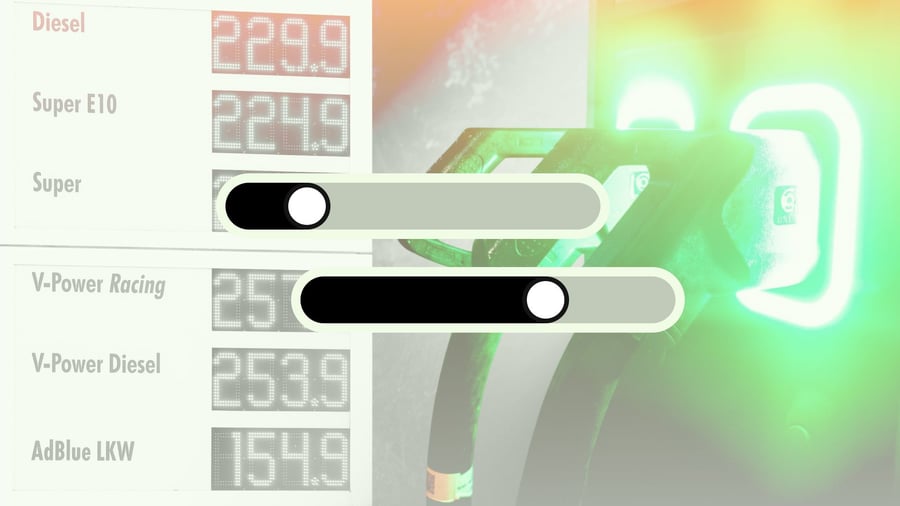
As oil prices surge due to conflicts in the Middle East and Russia's invasion of Ukraine, consumers are increasingly considering the financial benefits of electric vehicles (EVs). The German magazine Handelsblatt has created a calculator to estimate annual savings between charging an EV and filling up a traditional gasoline-powered car.
To use the tool, users input their annual mileage, their vehicle's fuel consumption compared to an electric car of their choice, and the price points for gasoline and electricity. On average, a Tesla Model Y consumes about 16 kilowatt-hours (kWh) per 100 kilometers, while a Mercedes CLA Coupé uses approximately 13 kWh, and a Volvo ES90 Single Motor Extended Range Ultra uses around 20 kWh.
The average German driver covers around 14,000 kilometers per year, with most cars burning between five and eight liters of gasoline per 100 kilometers. Currently, the cost savings in comparison to driving an average gasoline vehicle amount to over €1,000 annually. With the ongoing crisis in the Middle East, this gap could widen in the coming weeks.
The rising prices are attributed to worldwide economic crises and wars over the past years. The comparison between EVs and gasoline-powered cars clearly shows that the shift to electric vehicles could lead to substantial savings. In addition to reducing fuel expenses, the rising popularity of EVs is driven by improved range, better charging infrastructure, and decreasing purchase prices.
Foreign competitors like Renault, Chinese brands such as BYD and Geely, and improved government incentives are contributing to the boom in electric vehicle sales. Germany now offers subsidies of up to €6,000 for households purchasing an EV. Furthermore, the number of public charging points has significantly increased, with 212,064 stations operating as of August 1, 2026, including over 66,665 fast chargers.
This impressive expansion of charging infrastructure helps alleviate concerns about limited charging options in the past.
Written by urgent.news from Handelsblatt's reporting — not their text. Machine-written — may contain errors; check the original before relying on it.