Urgent.News

What's breaking now, across thousands of outlets.

AI

Meta says it will allow its AI glasses users to opt out of having their "visual data" used to train its AI or shown to third-party contractors outside the US (Karissa Bell/Engadget)

Somewhere, a contractor just breathed a sigh of relief. — Meta is making another concession to privacy critics …

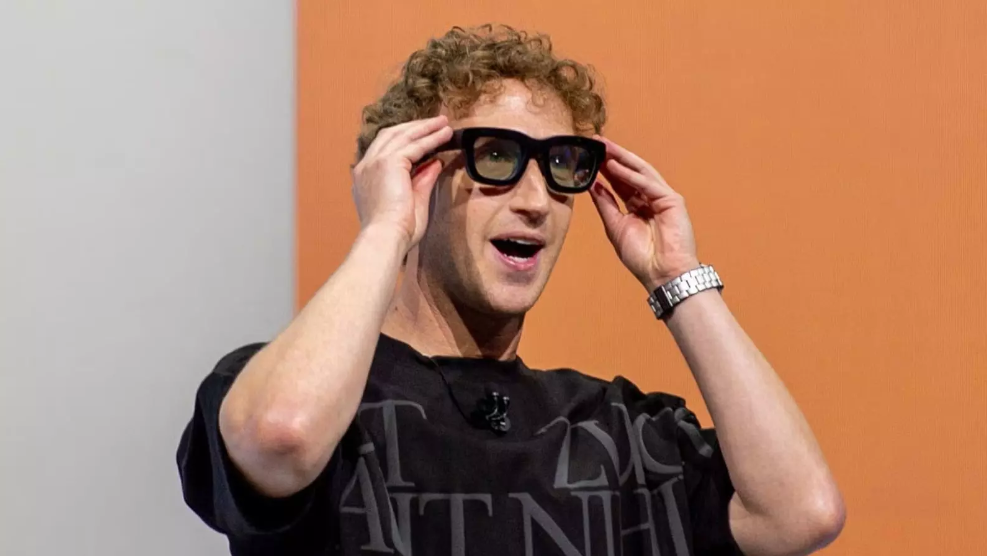
Meta will allow users of its AI glasses to opt out of having their visual data used to train its AI or shared with third-party contractors outside the US. This decision was reported by Engadget.

The glasses, which were recently updated, also feature a new tool called Muse, according to The Verge. Muse can be activated by voice command and can assist with tasks such as guiding workouts, logging meals, and helping with shopping.

Additionally, the glasses have new accessibility features, including a Hearing Enhancement feature that is FDA-cleared software for adults with perceived mild to moderate hearing loss, as reported by The Verge.

Brief written by urgent.news from Techmeme, The Verge — 2 reports on this story. Machine-written — may contain errors; check the original before relying on it.

Read the original at engadget.com →

More in AI

Google Expands Gemini Connected Apps to monday.com for Workspace Data Access

Google has begun rolling out monday.com as part of Gemini Connected Apps , expanding the ways users can reference work-management data from within Gemini and Google Workspace.

  • Google expands Gemini Connected Apps to monday.com.
  • Enables natural-language questions on work-management data.
  • Read-only connector, no data creation/update.

Why Detecting AI-Generated Text Is Harder Than You Think (And What I Built Anyway)

The problem nobody talks about Every "AI detector" landing page promises 99% accuracy. Then you paste in a paragraph you actually wrote yourself and it flags you as ChatGPT.

  • Detecting AI-generated text is harder than claimed by AI detector websites.
  • Watermarking text is challenging due to token-based generation and lack of verifiable signal.
  • Author built a detector providing honest confidence scores and explanation of triggering signals.

More from Thursday 24 September →