Market discipline first, taxpayer support last for AirAsia’s woes — Jane Yu
SEPTEMBER 15 — For weeks, a government-appointed review of AirAsia’s finances has raised one question: will...
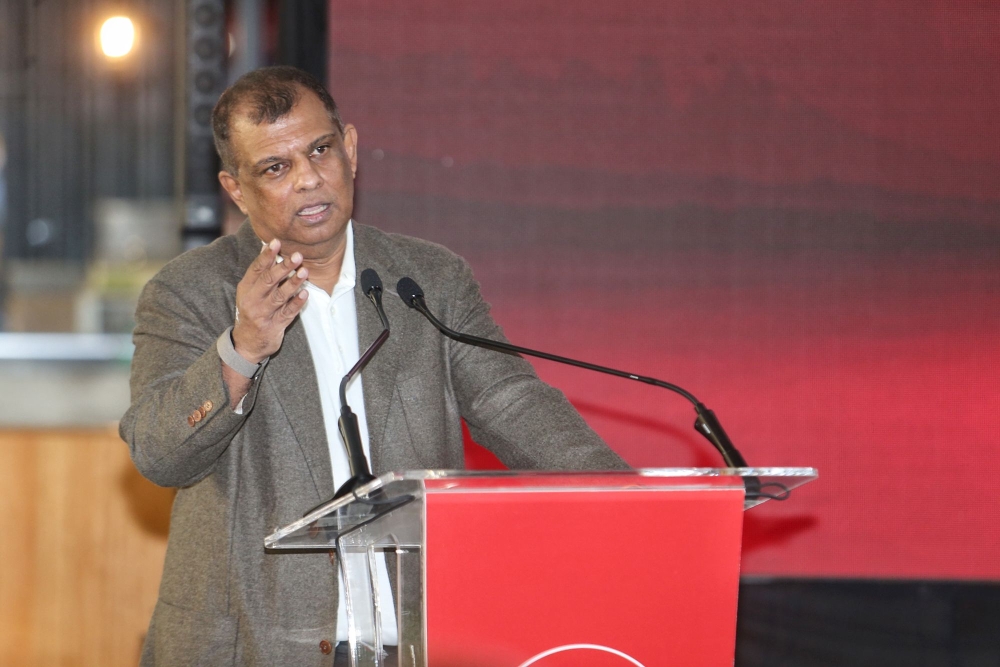
On September 15, a government review into AirAsia’s finances raised concerns about whether the airline might need a bailout. Airstream CEO Tony Fernandes insists the company can handle its financing independently, which offers some relief as a taxpayer. However, that does not resolve the issue. The government is preparing for a potential bailout despite AirAsia’s claims of financial stability.
The airline’s problems didn't emerge suddenly; soaring fuel prices contributed to a RM830.5 million quarterly loss in the second quarter alone. AirAsia had already begun restructuring its debt at the start of the year, raising money to extend debt tenures and reduce principal obligations. By June 30, the airline had RM18.4 billion in current liabilities and only RM954 million in cash.
AirAsia’s debt-to-equity ratio was 4.7 times, significantly higher than most top Asian carriers. The company also sold six newly delivered aircraft without putting them into service, indicating a desperate need for cash. While AirAsia's market share is significant—accounting for 33.7% of total passenger traffic in the first quarter of 2026—selling capacity or assets could mitigate the impact.
The government’s role should be to protect routes, jobs, and competition that have kept flights affordable, rather than "saving" the airline outright. Any bailout should ensure that shareholders and creditors bear a fair share of losses, and there should be clear restructuring milestones and a credible path to sustainable profitability.
Written by urgent.news from Malay Mail's reporting — not their text. Machine-written — may contain errors; check the original before relying on it.