„Made in Europe“?: Deutschland und Frankreich ringen um EU-Industrieförderung
Europas Industrie leidet unter teurer Energie und Konkurrenz aus China und den USA. Staatsgeld soll helfen, da sind sich Deutschland und Frankreich einig. Aber was ist mit Handelspartnern?
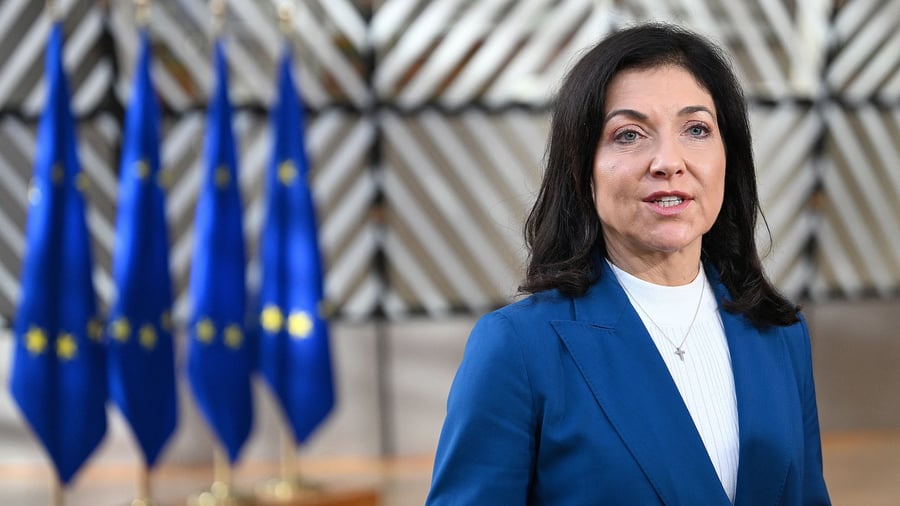
Deutschland und Frankreich are engaged in a debate over how to boost the European economy using public funds for various sectors. The European Commission aims to tie state subsidies and orders in critical areas to production within the EU. Federal Economy Minister Katherina Reiche has again expressed support for involving trade partners in Brussels.
However, French Industry Minister Sébastien Martin emphasizes the 27 EU states, arguing that European funds should benefit workers and factories in Europe. The EU's plans target manufacturing sectors such as cars, heat pumps, photovoltaic systems, and key construction materials like cement and aluminum, aiming to keep industrial production in Europe despite competition from countries like China.
Before the March proposal is implemented, EU member states and Parliament must agree. There have been ongoing discussions about the conditions under which products can be considered "European" or treated equally alongside EU countries. The debate revolves around the proportion of production and which countries should receive equal treatment.
From a German perspective, the plans should follow the principle of "Made with Europe," meaning production in Europe with trade partners like Norway, Switzerland, or Canada. France, on the other hand, wants to narrow the scope to the 27 EU countries, stating that European funds should benefit workers and factories in Europe. Minister Martin stressed that "Made in Europe" refers to the 27 EU member states, highlighting the EU's ability to build cars on its own continent.
France also acknowledged that some industries still require parts from other countries, but production in Europe should still be possible. The goal is not to isolate but to negotiate access agreements with specific countries, with priority given to reaching an agreement among the 27 EU states. Meanwhile, the UK has already decided to leave the EU.
Written by urgent.news from Handelsblatt's reporting — not their text. Machine-written — may contain errors; check the original before relying on it.