Labor bill must protect workers, not just employment relationships
To protect millions in an era of subcontracting and gig platforms, Indonesia’s new labor bill must ensure that basic rights follow the worker, not just the corporate contract.
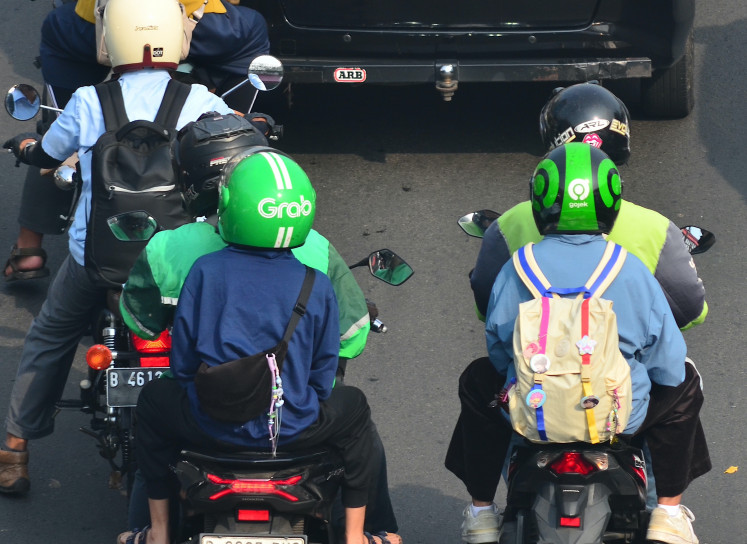
Indonesia's new Labor Protection Bill seeks to safeguard worker rights amid a rapidly evolving employment landscape. The legislation addresses the growing prevalence of subcontracting, gig platforms, and informal gig economies, which often fall outside the purview of conventional labor statutes. As work transforms, the bill seeks to redefine worker protections within this new reality.
Traditional employment relationships remain vital, establishing baseline legal mechanics for wage floors, working hours, social insurance, occupational safety, dispute settlement, and termination standards. However, the bill recognizes that the modern workplace often defies direct bilateral terms. Workers may operate on-site while formally reporting to third-party labor contractors, who may subcontract tasks to other entities.
In the gig economy, drivers and couriers rely on algorithmic systems for dispatch and compensation, yet are classified as independent contractors rather than employees. Informal workers, lacking formal contracts, are wholly exposed to market fluctuations.
To effectively protect millions of workers, lawmakers must evaluate the draft bill through two complementary lenses. The first is the traditional employment-relationship model, which identifies the formal employer and enforces statutory compliance. This mechanism must be preserved to ensure corporations cannot evade legal liabilities through restructuring or shell staffing vehicles.
The second lens evaluates the bill's ability to address the complexities of modern work arrangements. As enterprise operations function as diffuse commercial webs, recruitment, contractual custody, compensation, supervision, and management are distributed across distinct corporate entities. The bill must ensure these workers receive the same protections as traditional employees, regardless of the corporate landscape in which they operate.
Written by urgent.news from The Jakarta Post's reporting — not their text. Machine-written — may contain errors; check the original before relying on it.