Japan's PM says talks on ending Hormuz crisis should include countries that depend on strait
Japanese Prime Minister Sanae Takaichi said on Wednesday that talks on ending restrictions in the Strait of Hormuz should include regional countries as well as nations that depend on it and the International Maritime Organisation. Ms Takaichi called for free and safe navigation to be restored without additional charges – a position that is of particular importance to Japan . In normal times,…
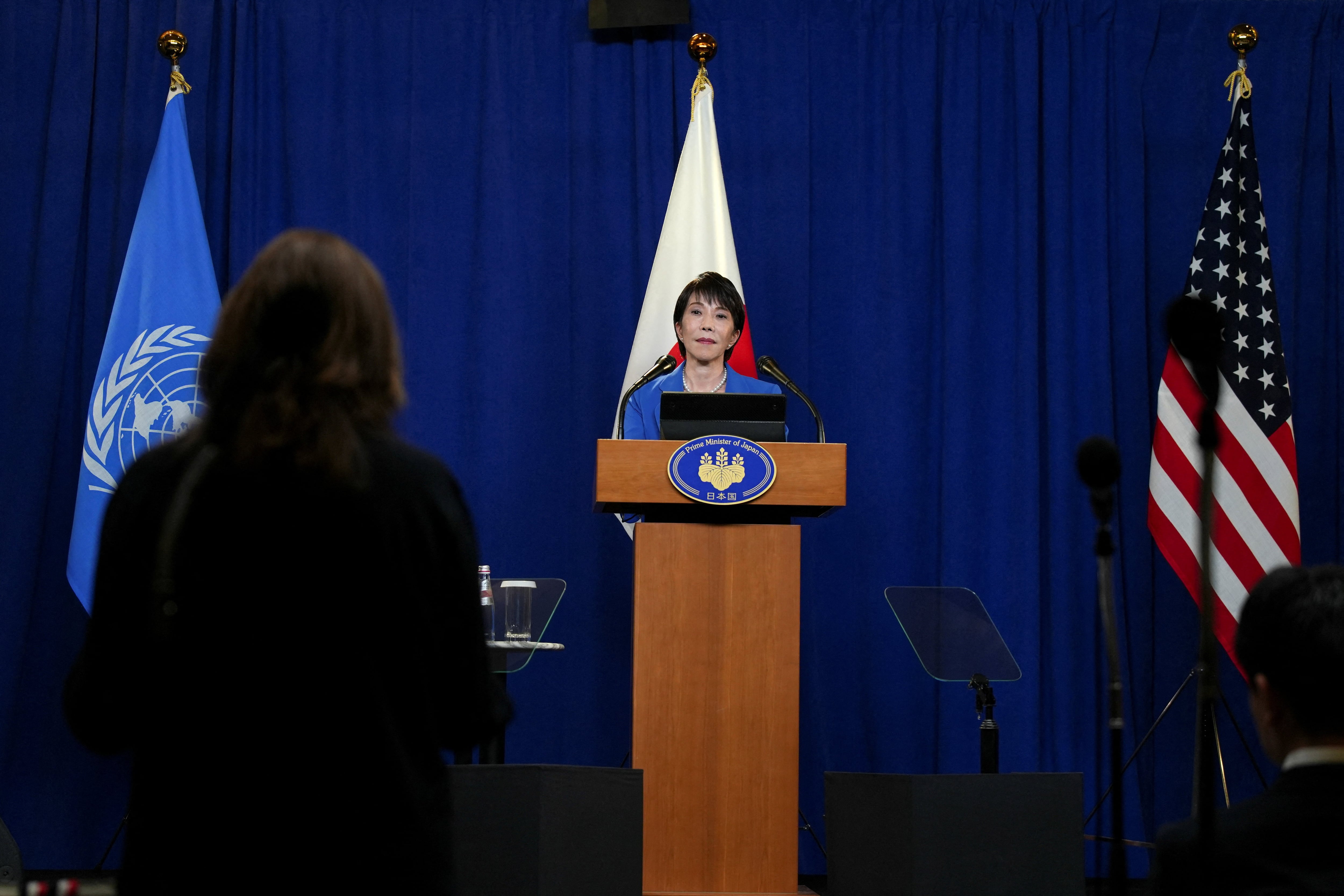
Japanese Prime Minister Sanae Takaichi stated on Wednesday that discussions aimed at resolving the ongoing restrictions in the Strait of Hormuz should involve regional countries, nations dependent on the strait, and the International Maritime Organisation. The Prime Minister emphasized the restoration of free and safe navigation, particularly important for Japan, which relies heavily on this passage.
Approximately 93% of Japan's crude oil imports travel through the strait, according to the Economy Ministry. Takaichi highlighted the escalating tensions in the Middle East and the growing threats to free navigation in the Hormuz Strait, which is considered an international public asset. She attributed Japan's ongoing diplomatic efforts to achieving a swift de-escalation across the Middle East.
The US and Iran are under pressure to find a diplomatic solution to the crisis. Iran's President Masoud Pezeshkian indicated readiness for dialogue, diplomacy, and negotiations, rejecting the use of force. US Secretary of State Marco Rubio mentioned various options available to President Donald Trump, including military actions.
Middle East sources reported that Iran proposed a road map to end the conflict, including a regionwide ceasefire, gradual reopening of the Strait of Hormuz, and lifting the US blockade of Iranian ports. These talks came a day after US and Iranian officials met during the UN General Assembly in New York, attempting to break the stalemate over the conflict's resolution.
The strait, crucial for energy shipments, previously handled around 20 million barrels of crude oil and petroleum products daily before the tensions. Disruption to this traffic has impacted global energy supplies. Takaichi described Hormuz as a vital hub for global trade, where free and safe passage should be swiftly restored without added costs for shipping vessels.
Japan has maintained open diplomatic channels while securing alternative oil sources. This year, Tokyo supported international talks on freedom of navigation and proposed safe maritime corridors through the IMO for ships and crews affected by the blockade. The Economy Ministry stated in June that alternative oil purchases would replace disrupted imports within the following month.
Takaichi reiterated Japan's commitment to directly communicating with Iran and other countries, including through telephone conversations and leadership meetings.
Written by urgent.news from The National UAE's reporting — not their text. Machine-written — may contain errors; check the original before relying on it.
This story
This is one outlet's version. Read the fullest account.