Japan returns wrongly collected remains to Kazakhstan and Myanmar
The move followed the revelation in 2019 that foreign people's remains had been confused with those of Japanese people detained in Russia after WWII.
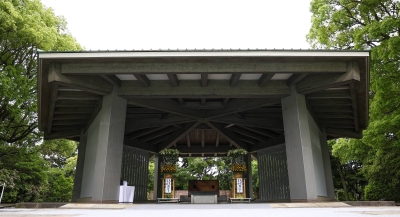
In a significant development, Japan has returned human remains mistakenly collected from Kazakhstan and Myanmar during a project aimed at recovering the remains of Japanese individuals who perished overseas during World War II. This marks the first instance of such a return by the Japanese welfare ministry for foreign remains mistakenly gathered in the project.
The situation came to light in 2019, when it was revealed that the ministry had mistakenly confused the remains of foreign individuals with those of Japanese people detained in Siberia, Russia, following the war. Similar errors were also found in the Philippines.
The remains returned to Kazakhstan were from two collections made in 2001, while those returned to Myanmar were from four collections conducted in 2001 and 2003. Following the 2019 revelation, Japan conducted a thorough examination of the remains between 2023 and 2024, concluding with a high probability that they were not Japanese. The ministry transferred the six sets of remains to the respective countries between June and July of this year.
Previously, two samples of remains that Japan had received due to uncertainty regarding their Japanese origins had been returned to Kazakhstan in 2022. Japan is currently engaged in negotiations with Russia to return remains mistakenly brought to Japan in the project; however, these discussions have been impeded by Russia's ongoing invasion of Ukraine.
In the wake of the 2019 revelation, the Japanese welfare ministry reviewed its collection methods. In 2020, it introduced a method that involved conducting DNA tests first on portions of remains believed to be Japanese and subsequently bringing the rest to Japan if the tests confirmed the remains as Japanese. While this method proved effective, it also prolonged the duration that the remains spent abroad.
This month, the ministry initiated a trial procedure to bring entire sets of remains for DNA analysis only when there is a high likelihood that they are Japanese, such as those discovered at mass burial sites for Japanese soldiers. Estimates suggest that approximately 2.4 million Japanese individuals lost their lives overseas during World War II, with 1.12 million remains still unaccounted for.
The ministry is intensifying its efforts to collect these remains during the intensive collection period, which extends until 2029.
Written by urgent.news from Japan Times's reporting — not their text. Machine-written — may contain errors; check the original before relying on it.