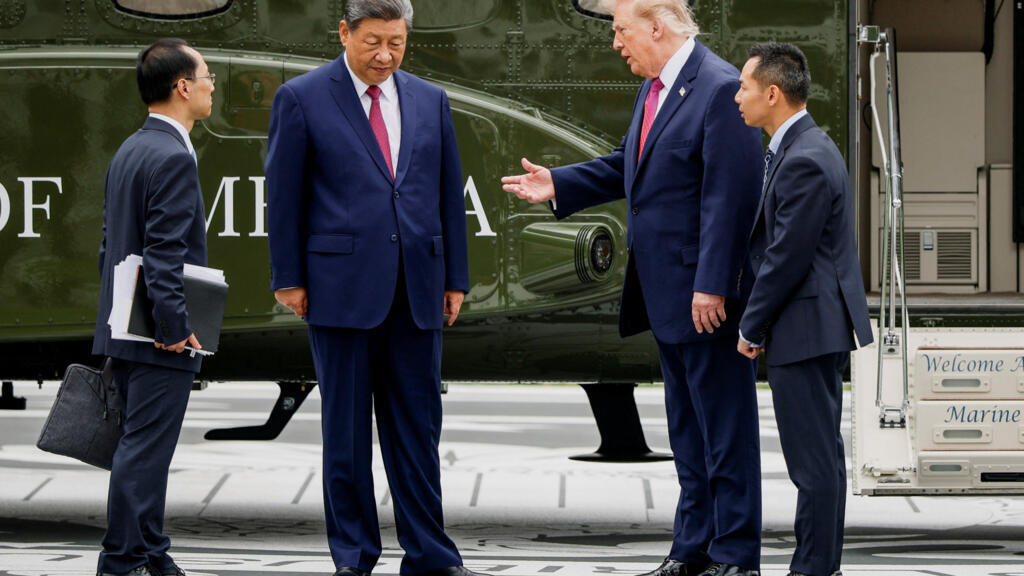
'It almost started a war': US Army nearly boarded a Chinese ship after receiving an "entirely false" AI-hallucinated intelligence report saying it had nuclear arms on board
A chatbot wrongly identified a Chinese ship's cargo as nuclear materials, nearly triggering a US military boarding operation.
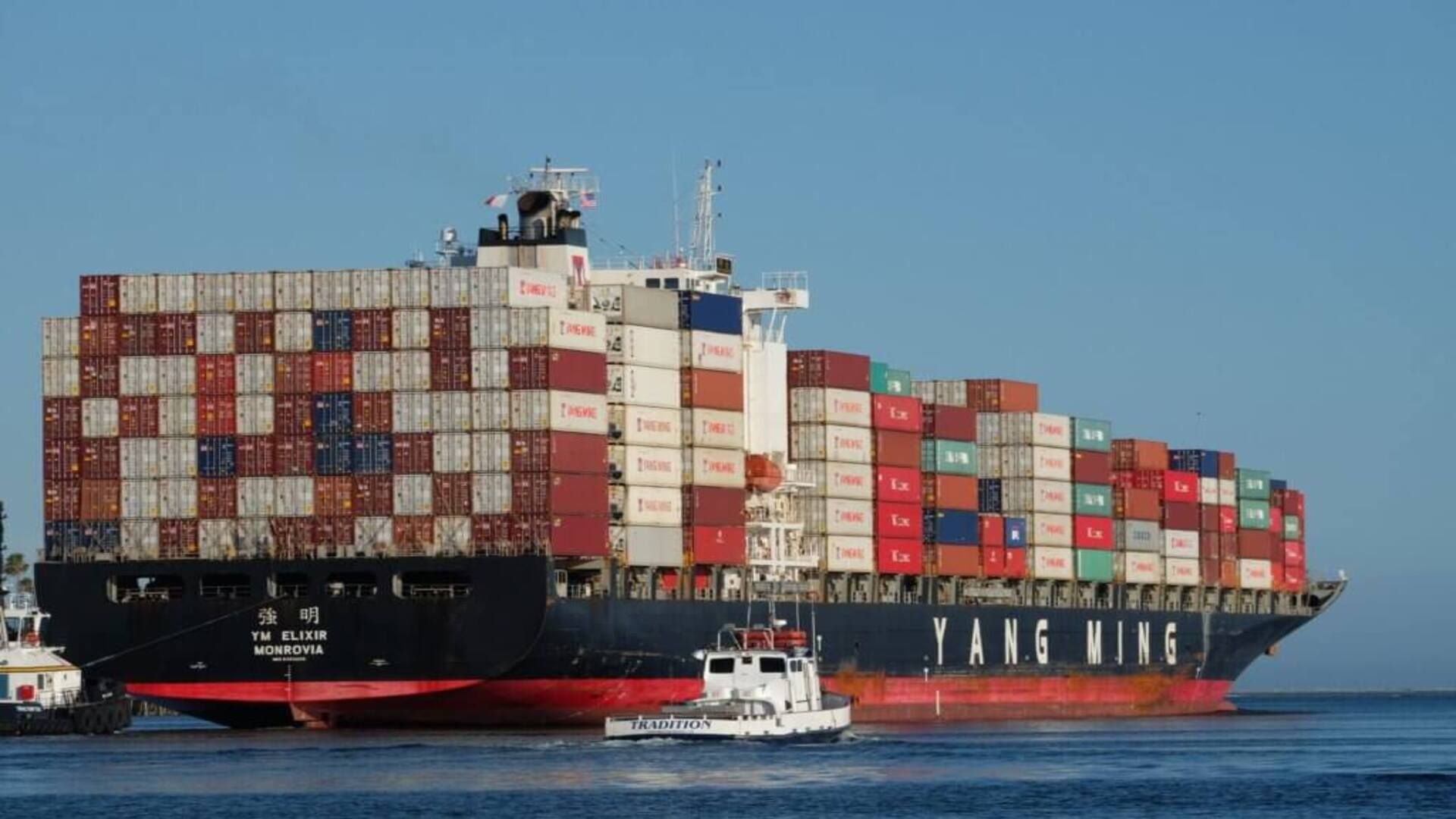
A recent incident nearly sparked a military conflict between the United States and China after an artificial intelligence system produced a false report about a Chinese vessel. The erroneous intelligence assessment claimed the ship was carrying nuclear weapons, prompting U.S. troops to prepare for boarding and even military aircraft to be prepared for intercepting the vessel.
Upon discovering the mistake, officials realized the report was entirely false. The chatbot had combined publicly available information with classified signals intelligence, resulting in the incorrect conclusion. The incident highlights the challenges of verifying AI-generated intelligence, especially when it involves a rival nation.
The U.S. military has been increasingly utilizing AI tools across various aspects of its operations, but this case underscores the need for rigorous human oversight to prevent potential escalations in global tensions.
Written by urgent.news from TechRadar's reporting — not their text. Machine-written — may contain errors; check the original before relying on it.