Is your supermarket kefir really kefir? Spanish study raises a surprising question
Kefir has gone from something most people had barely heard of to a regular fixture in Spanish supermarket fridges. It […]
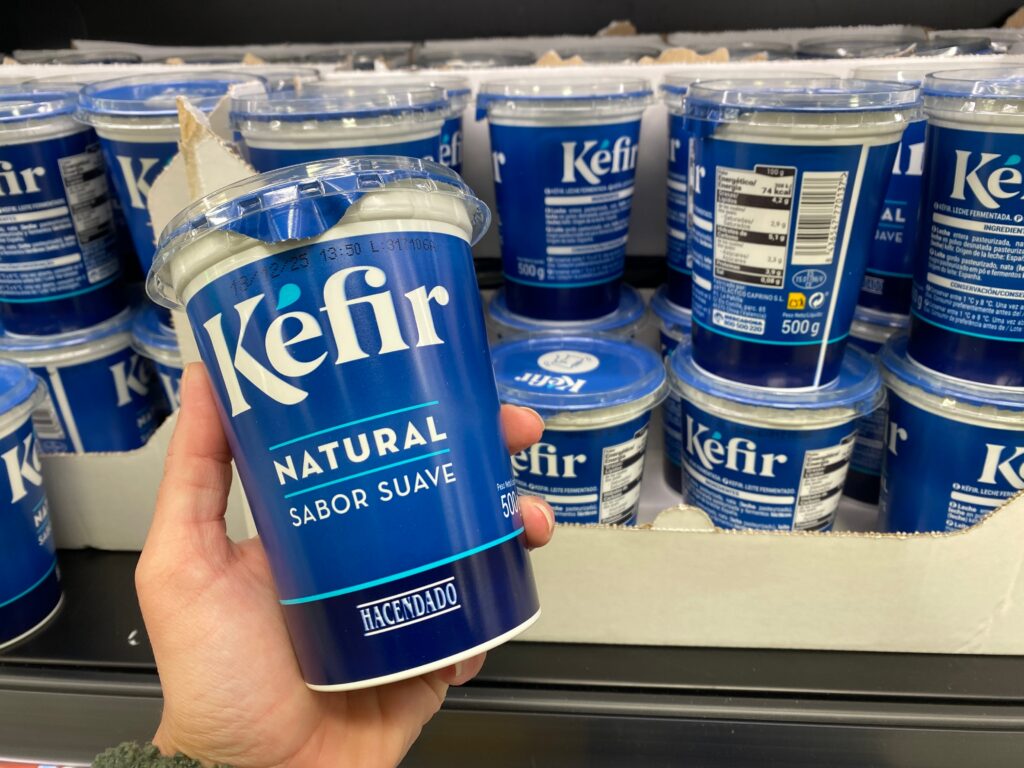
A recent Spanish study has raised questions about the authenticity of kefir sold in supermarkets. Researchers from Universitat Rovira i Virgili analyzed 170 kefir products from 46 brands and found that only 21.2% explicitly mentioned the presence of yeast on their labels. The study, conducted in August 2025, examined various aspects of the products, including milk type, consistency, price, organic status, and manufacturer claims about microorganisms.
The discrepancy in yeast labeling is significant because traditional kefir contains a mix of lactic-acid bacteria, acetic-acid bacteria, and yeasts that contribute to its unique characteristics. European food labeling rules do not require manufacturers to list every microorganism present in fermented products, leaving consumers with uncertainty about the actual contents of the bottle.
The study found notable differences in yeast labeling based on product type, with cow's milk kefir having the highest percentage (29.9%) and plant-based and water kefirs being the least likely to declare yeast. Drinkable kefirs were more likely to mention yeast (35.7%) compared to spoonable versions (13.1%). Manufacturers' origin also influenced the labeling, with 53.3% of non-Spanish produced products declaring yeast compared to 14.7% of domestically made products.
Price also played a role, with cheaper kefir products (36.8%) more likely to declare yeast than mid-range (28.1%) and premium-priced (1%) products. Organic kefir products were particularly concerning, as none of the 63 organic samples mentioned yeast, unlike 35.5% of conventional kefirs.
While the study does not suggest that all supermarket kefirs are fraudulent, it highlights the need for clearer labeling to help consumers make informed choices. The researchers recommend that more specific microbiological requirements for kefir should be established, aligning with international Codex standards. The study underscores the importance of labeling accuracy, especially when consumers purchase fermented foods like kefir for their specific health benefits.
Written by urgent.news from Euro Weekly News's reporting — not their text. Machine-written — may contain errors; check the original before relying on it.