How China’s growing Reit sector is giving foreign property investors a route back in
Foreign investors are starting to look again at mainland China’s commercial property market after years of retreat, drawn by sharply lower asset prices, wider yields and cheaper yuan financing, even though cross-border capital remains a small fraction of the overall market, analysts said. The shift did not yet amount to a broad return of foreign money, they added. Instead, some international…
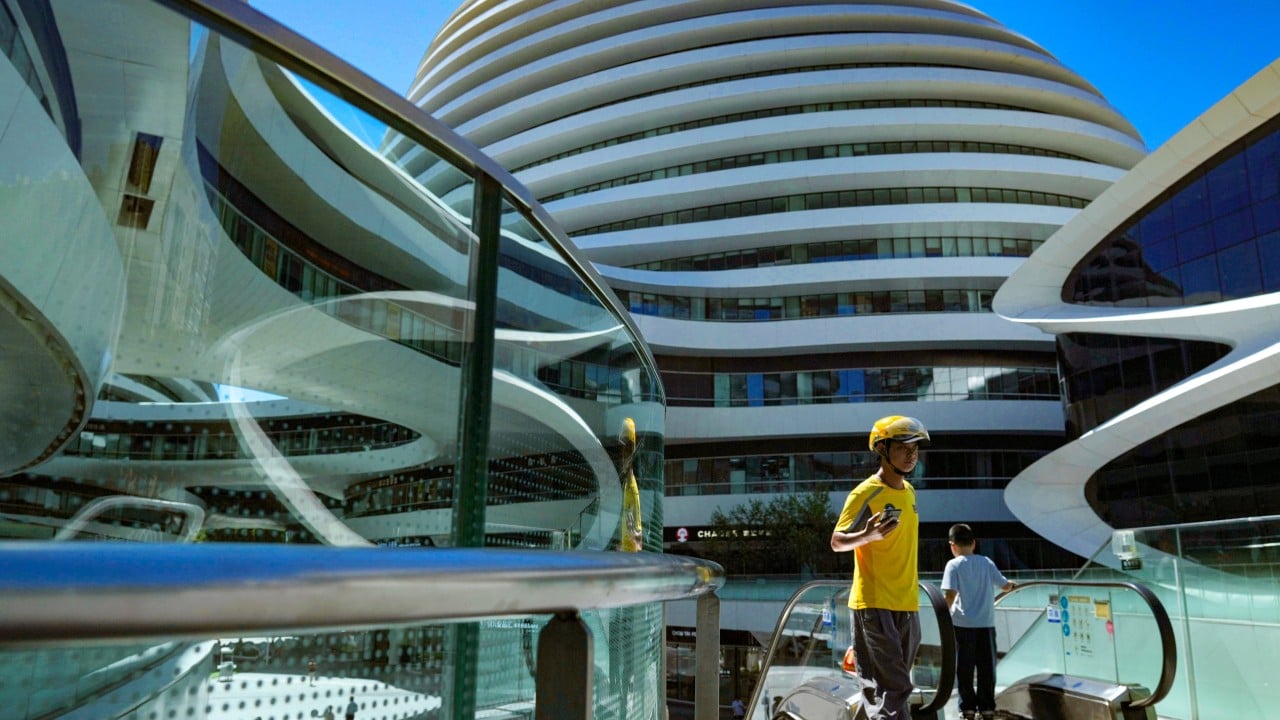
Foreign investors are once again showing interest in mainland China's commercial property market, following a period of retreat. This resurgence is driven by reduced asset prices, higher yields, and more cost-effective financing using yuan. Although cross-border capital remains a minor portion of the overall market, analysts explain that some international investors are seeking entry through China's domestic capital markets and real estate investment trust (Reit) structures.
According to Glyn Nelson, head of capital markets research for Asia-Pacific at CBRE, the interest in re-engaging with mainland China's commercial real estate market has been increasing over the past year, particularly among Asian investors. These investors are focusing on regional shopping malls, multifamily projects, logistics assets, and offices in major cities.
This shift comes after years of limited foreign participation in the market, which dropped sharply in 2022 due to monetary divergence and geopolitical tensions. CBRE reports that foreign capital, excluding Hong Kong, accounted for less than 3% of mainland China's commercial real estate transaction volume from 2023 to the second quarter of 2026.
One reason the market is becoming more accessible is the emergence of exit options, such as Reits, which enable property owners to pool income-generating assets into investment vehicles and sell interests to investors. This provides an alternative to a conventional property sale, offering international investors a way to recycle capital without selling an entire property.
The mainland Chinese Reit market is evolving into a more sophisticated phase, with 21 of Asia's 27 new Reit listings between late 2024 and March 2026 taking place in mainland China, as per Cushman & Wakefield. The market has already shown evidence of international managers using these structures, such as CapitaLand's listing of its China Commercial C-Reit in September 2025 and Brookfield's listing of the CICC Blinq Multifamily Private Reit in June 2025.
Both deals illustrate a model where assets remain under international management while capital is recycled through domestic investment vehicles. The investment equation has also changed, with China's one-year loan prime rate remaining at 3%, while cap rates in first-tier cities are more than 4 percentage points higher than the 10-year government bond yield.
For international investors with onshore operations, cheaper yuan financing can support the acquisition, repositioning, and leasing of assets that have been repriced after years of falling values. The expanding Reit market offers another mechanism for recycling capital. As of March 31, 2025, China had 79 public infrastructure Reits with a combined market value of approximately US$32.1 billion.
In June 2025, China had 58 property rights-backed public Reits with a combined market capitalization of 143 billion yuan (US$21.3 billion), and 60 private Reits had been filed. Pilot land-tenure renewal policies in Guangzhou and Shanghai are also helping to alleviate uncertainty for commercial property investors.
Written by urgent.news from SCMP Business's reporting — not their text. Machine-written — may contain errors; check the original before relying on it.