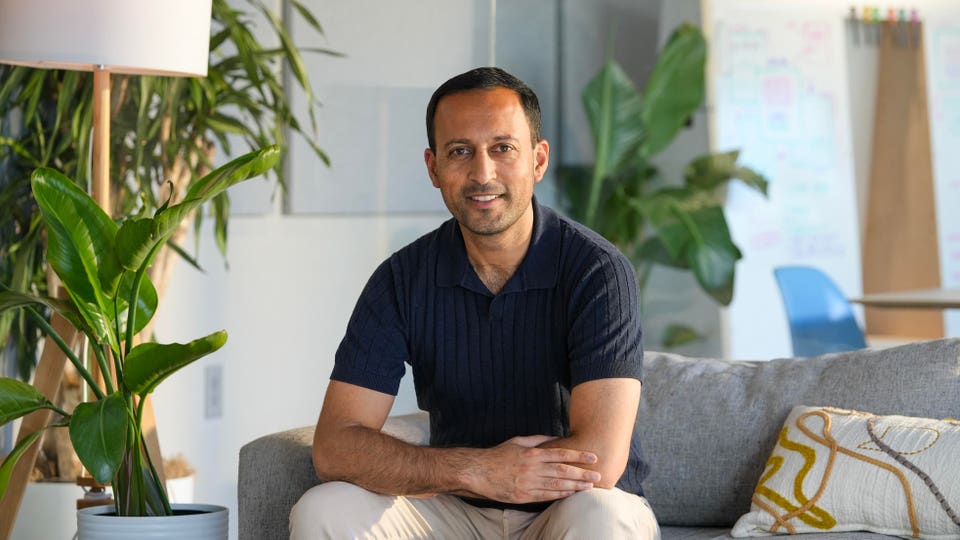
How AI Is Changing the Production Pipeline of Filmmaking: Interview with Amy Kouxiao Zhang
How is AI changing filmmaking? Amy Kouxiao Zhang shares how generative AI is reshaping micro-drama production, costs, and creative workflows.
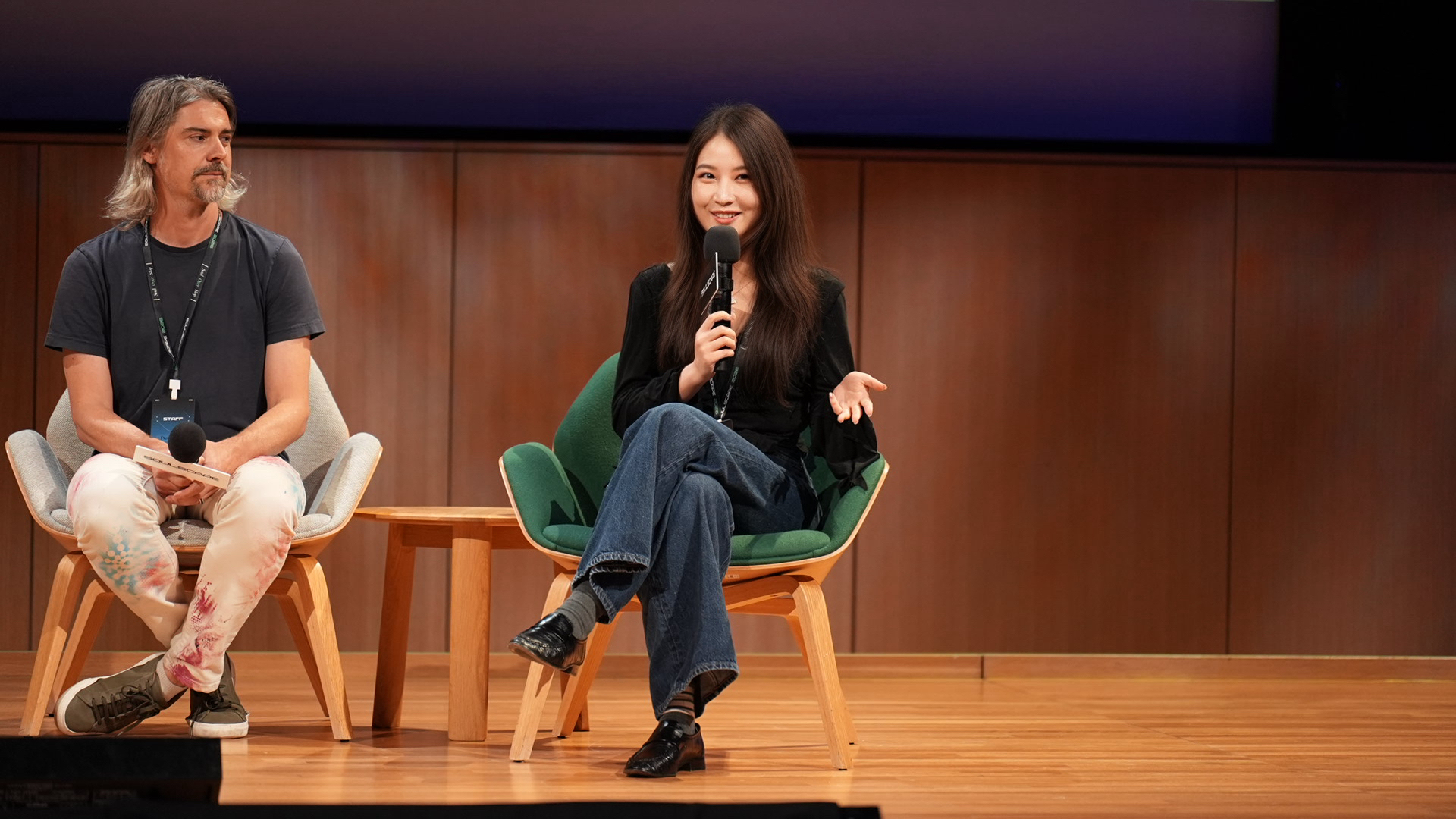
Artificial intelligence is revolutionizing the filmmaking industry beyond marketing, editing, and distribution. It is now reshaping the entire production pipeline, from micro-drama production to filmmaking, where budget, resources, and creative iteration play a crucial role in determining a project's success. This shift specifically applies to internet-native micro-drama, emerging around 2018-2019 and gaining mainstream popularity in 2020.
To understand this transformation, Amy Kouxiao Zhang, Co-Founder and Chief Content Officer of Manna AI, spoke about AI's role in micro-drama production. She explained that mini-series production remains resource-intensive, requiring assembling a team before filming begins. Casting decisions were influenced by actors' performance abilities and fan base, unlike traditional film and television, where performances undergo more iterations.
Despite being shorter, micro-drama productions still had budgets reaching $200,000 for cast compensation, studio rentals, crews, equipment, and post-production.
AI's role during pre-generative AI times was limited to post-production tasks like green screen effects. Its impact on the creative workflow was minimal, as AI still functioned as a behind-the-scenes tool in an entirely human-driven process. However, the emergence of generative AI has changed who gets to create stories through film.
Traditionally, securing funding, industry connections, and experience were prerequisites for bringing a script to life. With AI, these barriers have been lowered, enabling younger individuals to visualize their ideas and transform scripts into mini-movie clips using AI-powered tools.
Written by urgent.news from HackerNoon's reporting — not their text. Machine-written — may contain errors; check the original before relying on it.