Hilfe, Hormon-Chaos!: Wechseljahre: Sind frei verkäufliche Mittel sinnvoll?
Hitzewallungen und Nachtschweiß sind lästige Menopause-Begleiter. Viele frei verkäufliche Mittel versprechen mehr Balance. Was sinnvoll sein kann - und was sich Frauen laut „Öko-Test“ sparen können.
"Help, Hormone Chaos!": Menopause: Are Over-the-Counter Remedies Worth It?
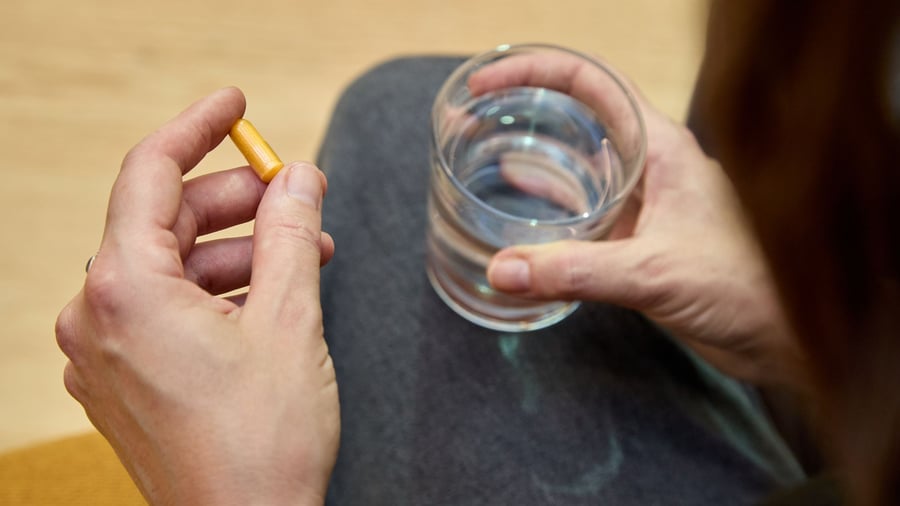
As the rising heat of menopause intensifies, women may wonder if there is a solution to alleviate their symptoms. While prescription hormone therapy exists, many alternatives promise relief without a doctor's prescription. These include herbal remedies, such as those containing black cohosh or rhapontic rhubarb, and dietary supplements like soya or red clover extracts.
However, a recent "Öko-Test" investigation sought to determine the effectiveness of six herbal remedies and 17 dietary supplements targeted at women experiencing menopause (issue 10/2026).
Unfortunately, the findings suggest that over-the-counter supplements may not be worth the investment. Unlike prescription medications, dietary supplements do not undergo the same rigorous testing process to prove their effectiveness. Instead, they are considered food products and are legally regulated as such. Consequently, women should not expect these supplements to cure or significantly alleviate their menopausal symptoms.
Most of the supplements in the "Öko-Test" selection contain isoflavones, which are plant-based compounds similar to estrogen found in soy or red clover. The test team notes that the S3 guideline for peri- and post-menopause suggests that consuming at least 30 milligrams of isoflavones daily may help reduce menopausal symptoms. However, it is essential for women to understand that these supplements are not a guaranteed solution.
One risk associated with dietary supplements is the potential for interactions between multiple herbal ingredients. Combining several plant-based compounds in a single capsule or tablet can increase the risk of adverse reactions. Additionally, some manufacturers have been criticized for making misleading health claims, such as those related to Vitamin B6.
While the supplement may contain Vitamin B6 to help regulate hormones, the test team points out that Vitamin B6 does not target the hormones that play a crucial role during menopause, such as estrogen and progesterone.
Another concern is the inclusion of certain ingredients in herbal remedies. For example, some products contain talkum, a substance the European Chemicals Agency (ECHA) has classified as "probably carcinogenic." Other supplements may contain titanium dioxide, which was banned in the EU in 2022 due to concerns over its safety in food products.
Women seeking the right menopause remedy should not rely on trial and error, as experts advise consulting a gynecologist for personalized advice on the available options. Moreover, women with breast cancer should avoid supplements containing isoflavones.
Written by urgent.news from Handelsblatt's reporting — not their text. Machine-written — may contain errors; check the original before relying on it.