He started as a driver. Now he pilots Ukraine’s heavy strike drones
He started on the Vampire, then taught himself three more airframes—so when Russian jamming grounds one, he keeps flying on the next.
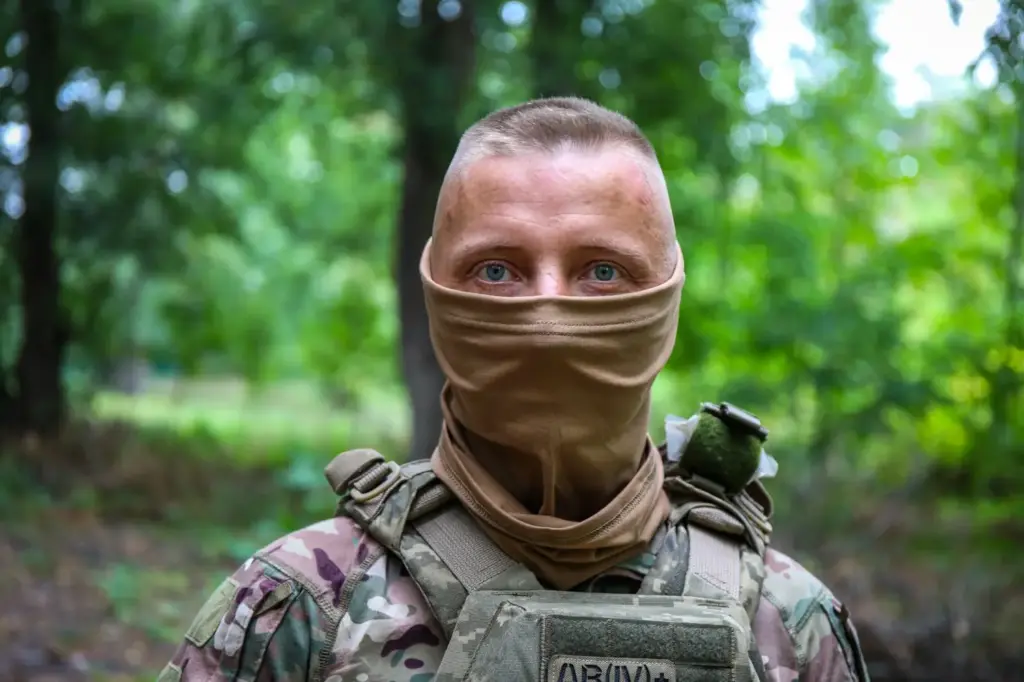
The Ukrainian service member, known by the callsign Talisman, began his military career as a driver before transitioning to piloting heavy strike drones. He is currently able to switch between four different drone platforms, depending on the situation. Prior to joining the military, Talisman worked in business. He started his service in a unit in Rivne Oblast, initially as a driver, then advancing to battalion management tasks.
After a year on the Vampire drone platform, Talisman tried operating a second drone, the hexacopter Ares A1. He finds the Ares more resistant to jamming and prefers the Vampire for its ease of operation. The Vampire is a six-rotor bomber capable of carrying up to 15 kilograms, with a range of up to 35-40 kilometers according to the SkyFall company.
Talisman's crews have operated in various regions, including Donetsk, Lyman, Sumy, and Kharkiv Oblasts. In winter, they work intensely, completing tasks in a brief window before rotating crews. Talisman hopes to return to civilian life after the war, having been an entrepreneur before service.
Written by urgent.news from Euromaidan Press's reporting — not their text. Machine-written — may contain errors; check the original before relying on it.