Gold declines below $4,300 as rising oil prices and hawkish Fed stance dampen appeal
Gold price (XAU/USD) declines to near $4,275 during the early Asian session on Friday.
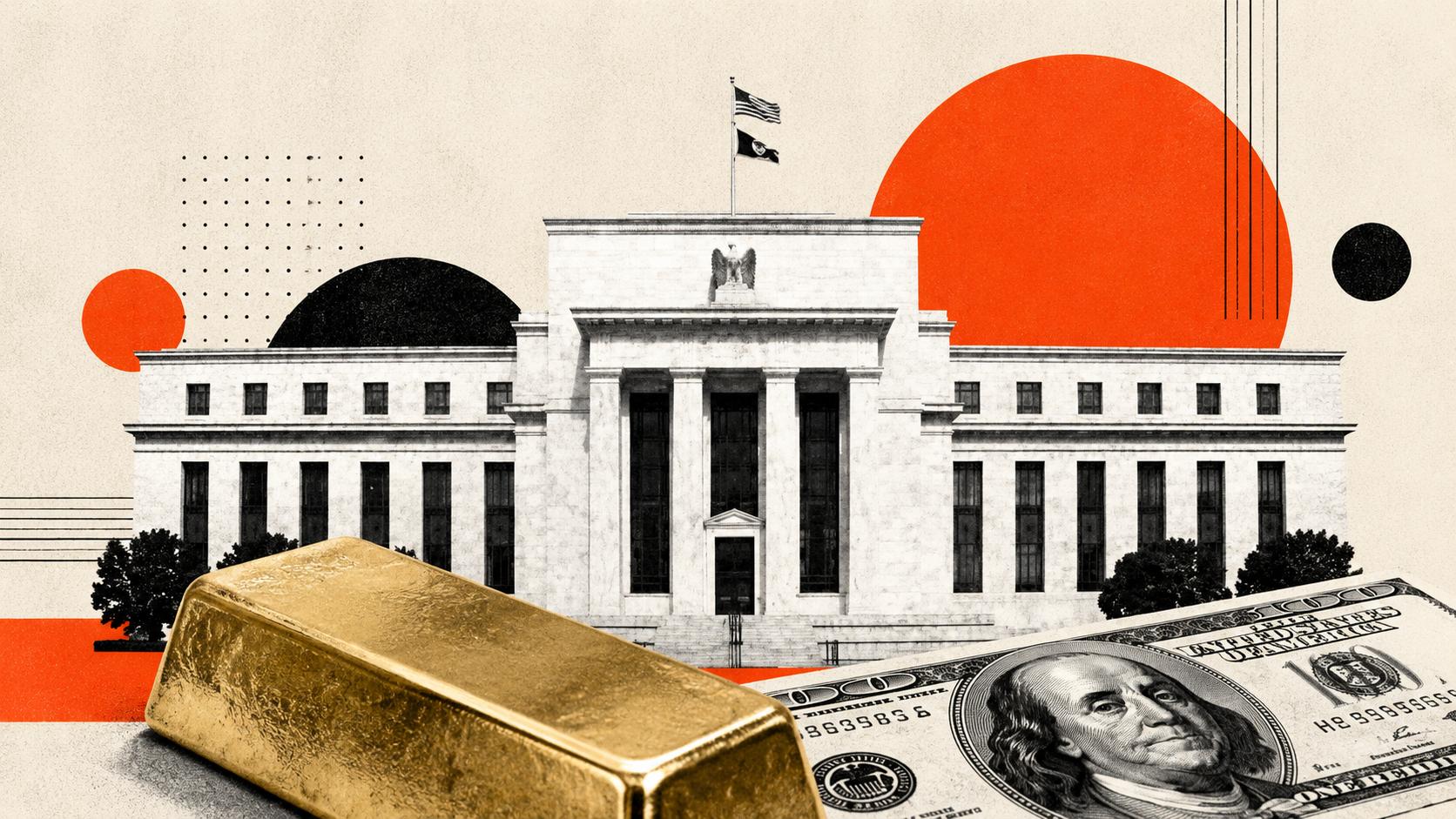
Gold prices fell below $4,300 during the early Asian trading session on Friday. This decline is attributed to rising oil prices and the Federal Reserve (Fed) adopting a more hawkish stance on interest rates. Top officials from the New York Fed, John Williams, and the Cleveland Fed, Beth Hammack, are scheduled to address investors later in the day.
Oil prices have rebounded after talks between the US and Iran showed minimal progress, which has increased concerns about oil-driven inflation. The US long-term bond yields have also reached their highest level in over two decades. The increase in oil prices has strengthened expectations that the Fed will continue raising interest rates to combat inflation above the target rate.
The probability of a quarter percentage point rate hike by the Fed in October has risen to 67.5%, up from 55.4% the previous week, according to the CME FedWatch tool. Higher interest rates make yield-bearing assets, like gold, less appealing. Fed policymakers have taken a firm tone recently, with Cleveland Fed President Beth Hammack stating that inflation pressures are still high, and it will be challenging to bring them back to target if this situation persists.
Philadelphia Fed President Anna Paulson echoed this sentiment, emphasizing the need for further rate hikes to address inflation. Commerzbank analysts highlighted that China's growing demand for gold, with the country importing over 1,000 tons in the first eight months of the year, surpassing last year's total. China's central bank also increased its gold purchases by 80 tons between January and August, marking the highest level in nearly three years.
The Fed's hawkish stance, as indicated by Fed Chair's Paulson's speech, reinforces the expectation of further rate hikes. This hawkish tone, coupled with a resilient US economy and stable labor market, suggests that the Fed aims to contain upside inflation risks rather than responding to potential downturns. Gold remains below the 100-day moving average ($4,310) and the Bollinger middle band ($4,360) in the daily chart, suggesting a bearish near-term outlook.
The price is above the lower Bollinger band ($4,240), which could provide short-term support, but a daily close below this level may trigger further decline.
Written by urgent.news from FXStreet's reporting — not their text. Machine-written — may contain errors; check the original before relying on it.