Gesundheit: Nächster Anlauf zu neuen Organspende-Regeln
Tausende Schwerkranke warten auf eine gespendete Niere oder Leber. Um zu mehr Transplantationen zu kommen, wird schon lange über ein ganz anderes Prinzip diskutiert. Im Parlament wird es nun konkret.
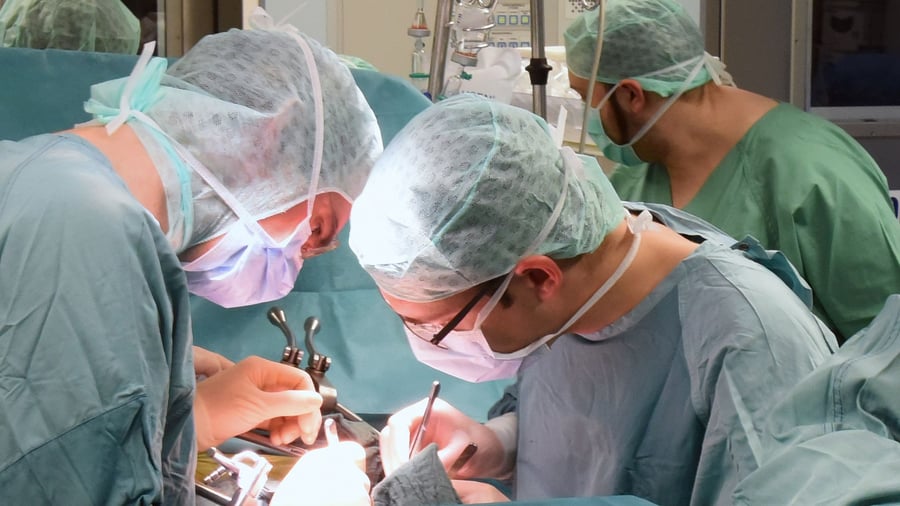
A new push for more life-saving organ donations is set to begin with a proposal for a far-reaching change to the donation rules in the Bundestag. A group of lawmakers is proposing a switch to a default rule, where every adult is automatically considered an organ donor upon death unless they actively object. Currently, explicit consent is required for removals.
However, there is also an opposing proposal. The exact vote in parliament has not yet taken place. The proponents of the default rule argue that many improvements in recent years have not significantly increased donation numbers. Donation should instead become the "norm". To achieve this, the group advocates for increased education and mandatory questioning.
Supporters include former Health Minister Jens Spahn (CDU) and Karl Lauterbach (SPD). A second, cross-party group of lawmakers also wants to increase organ donations, but opposes the default rule. They firmly argue that silence should not be considered consent. The right to self-determination also includes the right to choose not to decide without personal consequences.
The group aims to have all citizens be asked "timely" after their 18th birthday about their donation readiness and to state their will - including "undecided". The draft law for the default rule has 254 supporters from 254 lawmakers, while the opposing draft has 58 supporters from 58 lawmakers. Whether the Bundestag will ultimately support the default rule remains to be seen in the coming months.
The first reading will include a debate, as is often the case with ethical issues without the usual party lines. As for the current state of organ donations, organs like kidneys, livers, or hearts are desperately needed by seriously ill patients. Last year, 985 people donated organs or multiple organs after death, the highest number since 2012.
At the same time, 8,200 people were on waiting lists as of the end of 2025. Generally, it is seen as a problem that many - generally speaking - support organ donations, but do not stick to their decision. Where one can document one's will is with an organ donation card, a patient declaration, or on paper. Since March 2024, it is also possible online: At the portal www.organspende-register.de, people aged 16 and up can digitally document their stance.
Currently, there are just under 633,000 declarations, with 82 percent fully agreeing to organ removals, it is also possible to only agree to certain organs. Eight point seven percent have registered a objection.
Written by urgent.news from Handelsblatt's reporting — not their text. Machine-written — may contain errors; check the original before relying on it.