– Forstår at det kan oppleves som om vi legger sten til byrden
Rentehevingen kommer i tillegg til prishoppet på drivstoff, men sentralbanksjefen tror likevel at…
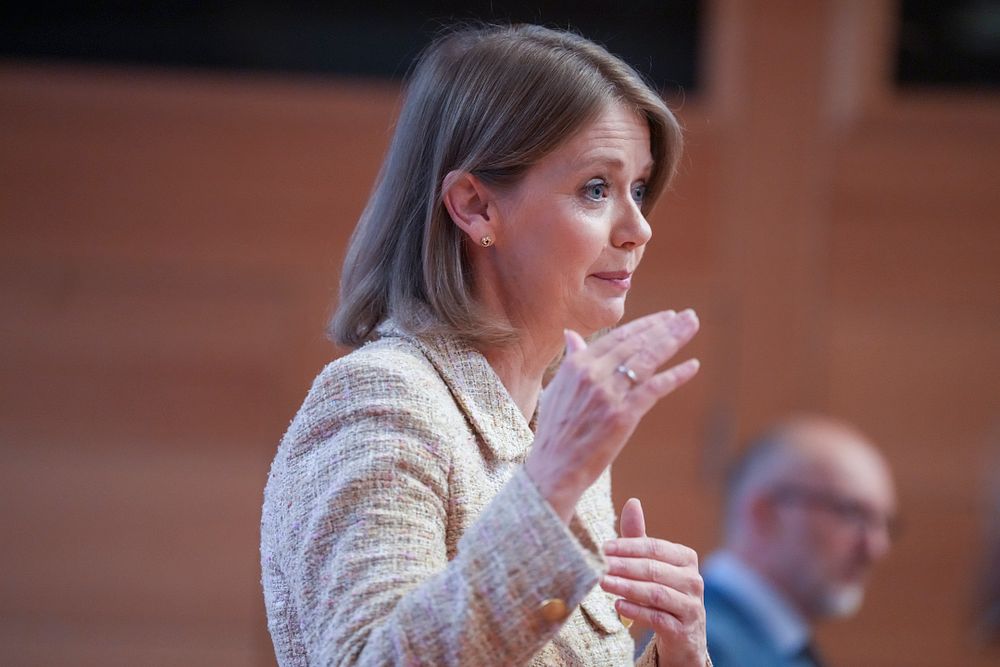
Just hours after the temporary increase in fuel and diesel taxes was lifted, the Norwegian Central Bank announced a rate cut for the public. Asked about those who feel it is a bit tough now that interest rates are rising alongside fuel prices, Central Bank Governor Ida Wolden Bache responded that she understands how it may feel like adding another burden.
By raising interest rates, the Central Bank aims to curb price growth, benefiting everyone in the long run. The bank's mandate is to raise interest rates when inflationary expectations suggest it is necessary. The government, through the Finance Ministry, has determined that price growth should be around two percent over time. The bank's tool to mitigate price growth is to raise interest rates.
Central Bank Governor Bache emphasizes that people's purchasing power, or how much goods and services they can buy with the money they earn, has been eroding in recent years. This means people have more to pay for because wage growth has been higher than price growth. Bache expects people's purchasing power to continue improving in the coming years, even when accounting for higher interest payments on loans.
The bank's future projections show that wage growth is likely to drop to 4.4 percent this year and then decline to 3.4 percent annually through 2029. Meanwhile, inflation is expected to fall from its current level above three percent to at least the target of two percent in the same period. While wage growth is slowing, salaries are expected to increase faster than prices.
Central Bank Governor Bache explains that economies disagree on whether today's rate hike marks the peak of this cycle. She clarifies that people should not feel pressured to brace themselves with an interest rate hike before the holidays. The bank's stance is that interest rates may need to remain higher for a while longer. The Governor also states that they are prepared to raise rates further if inflationary expectations warrant it.
As always, the central bank's response reflects the inherent uncertainty in economic development and, consequently, in interest rate expectations. However, if one examines the bank's interest rate forecast, it suggests that the policy interest rate, the rate set by the central bank to influence the economy and subsequently affect bank interest rates, will remain at the current level for at least a period next year.
Written by urgent.news from E24 Norway's reporting — not their text. Machine-written — may contain errors; check the original before relying on it.