Fiji's HIV epidemic is surging and babies are paying the price
Fiji has free testing and treatment to prevent mothers passing HIV to their babies. Last year, 59 babies were infected anyway, and 18 died before they turned one.
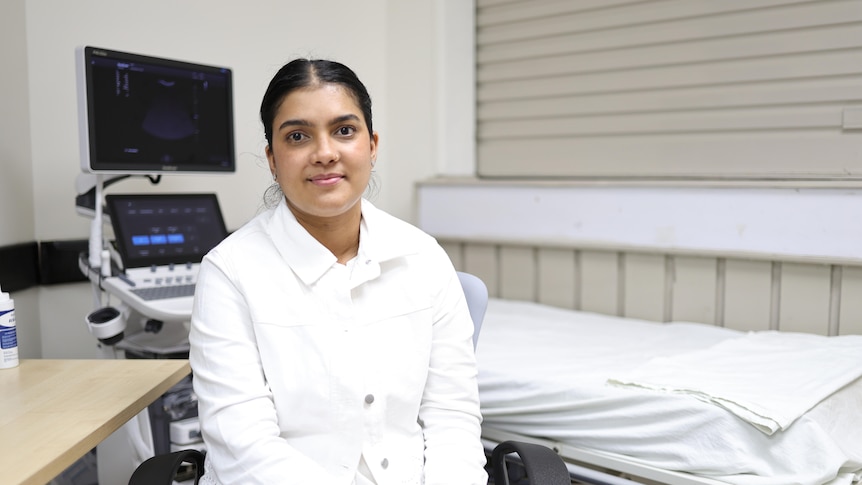
In Fiji, the HIV epidemic is rapidly growing, and newborns are bearing the brunt of the crisis. At just 23 years old, Berenadeta* discovered she had contracted the virus after visiting a sexual health clinic. She was already three months pregnant with her first child, and her HIV-positive partner had stopped taking medication without informing her.
Despite her father's reassurance, Berenadeta's primary concern was her baby's health. Thanks to daily antiretroviral medication, her baby was born HIV-negative. However, in 2025, 59 new HIV-infected babies were born at Fiji's largest hospital, with 18 of them succumbing before their first birthday. National HIV rates are alarmingly high, with one in 60 adults infected.
The government has declared a national emergency, predicting it will take over five years to control the epidemic. In 2025, 2,016 people were diagnosed with HIV, a 27% increase from the previous year. Only 39% of Fijians living with HIV are aware of their status. The rate of mother-to-child transmission is also rising, with 59 babies testing positive in 2025, equating to an 18% vertical transmission rate.
Despite free access to HIV testing and treatment, only 22% of people with HIV are receiving antiretroviral therapy. Factors contributing to Fiji's crisis include stigma, lack of privacy, and the country's role as a transit point for international drug traffickers. The government plans to introduce a needle and syringe program to combat HIV transmission among drug users, but challenges persist in providing privacy and overcoming social stigma.
Written by urgent.news from ABC News AU's reporting — not their text. Machine-written — may contain errors; check the original before relying on it.