EU's inaction over artificial sweeteners leaves a bad taste
Your browser does not support the audio element.
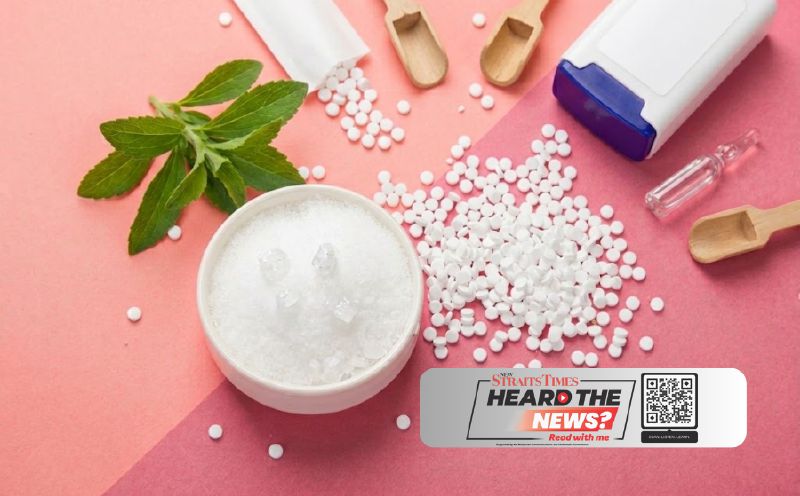
Campaigners expressed outrage over the European Union's (EU) food safety authority (EFSA) refusal to recommend stricter regulations for artificial sweeteners acesulfame K and aspartame. EFSA's panel concluded that there were no safety issues with the current usage and levels of these chemicals, which are commonly found in diet drinks, food, and even toothpaste.
However, the World Health Organisation classified aspartame as possibly carcinogenic to humans in 2023, recommending moderation in its use. Activist groups, including Foodwatch and the French Cancer League, joined forces with health app Yuka to demand an EU-wide precautionary ban on aspartame, deeming EFSA's decision "outrageous."
They criticized the agency for underestimating the significance of independent scientific findings linking aspartame consumption to potential health risks. Aspartame's daily acceptable intake is 40mg per kilogram of body weight, roughly equivalent to consuming multiple cans of sugar-free drinks for adults. Both aspartame and acesulfame K have been widely used in various products such as gelatin, ice cream, yoghurt, breakfast cereals, toothpaste, cough drops, and chewable vitamins for decades.
Written by urgent.news from New Straits Times's reporting — not their text. Machine-written — may contain errors; check the original before relying on it.