España propone diluir el plan Made in Europe para dar cabida a China en la industria
El país establece criterios más flexibles para la participación de terceros países en sectores críticos para la economía europea. Leer
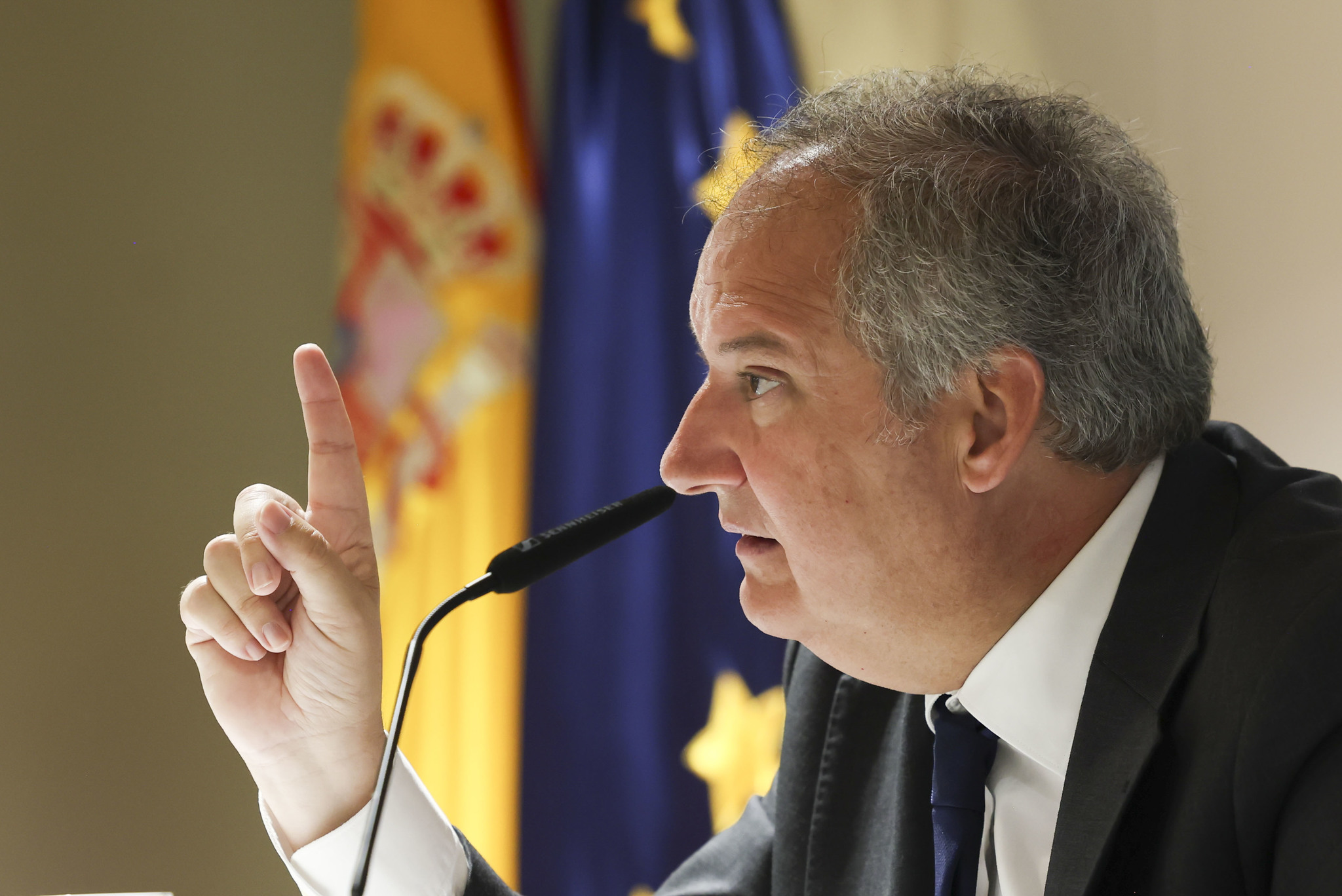
Spain proposes to dilute the Made in Europe plan to accommodate China in industry. The Spanish government advocates for more flexible criteria to allow third countries, including China, in critical sectors for the European economy. This is in contrast to the stricter stance taken by Brussels regarding the Industrial Acceleration Act (IAA), a regulation proposed by the European Commission to reindustrialize the EU by restricting third countries.
During a meeting in the European capital, industry ministers discussed this key legislation, recognizing the need to reinforce the European preference for manufacturing. However, the level of protectionism desired generates tension between more stringent positions, such as France, and the approach advocated by Spain and Germany.
Spain supports reinforcing the European industrial area as a production hub, but also acknowledges that many value chains can involve regions and countries worldwide. The ministry of Industry and Tourism, Jordi Hereu, emphasized that while the European Commission seeks to exclude China and other countries closed to European businesses, Spain has developed strong commercial and industrial ties with China and sees investment from the Asian giant as necessary.
The main difference between Spain's model and Brussels' legislation lies in the exclusion mechanism for third countries. The EU requires equal access from European companies to their economies and products, such as through concessions and auctions. If this is not met, the affected country's companies cannot access public funds in any of the sectors protected by the regulation.
Spain proposes a more flexible separation into three layers: the first with the 27 EU members, the second with third countries with effective reciprocity in trade and industry with European companies, and the third with countries having free trade agreements or customs pacts, as well as those with key raw materials or components lacking in the EU.
China falls into the third category, being a crucial supplier of resources such as rare earths, which control about 90% of production. China also dominates the production of photovoltaic panels and has an increasingly large market share in the automotive industry. For Spain, at least 40% of production in critical sectors should be European, 30% from reliable partners, and the remaining share covered by the countries in the third layer, especially during a transition period for European industry to mature.
The strict model proposed by the European Commission could cause supply chain problems if a product depends on a component that Europe still does not produce or does not produce in sufficient quantities. Excluding such a producer from public benefits may be counterproductive and harm commercial partnerships. Spain argues that the rigid approach promoted by the Commission could cause supply chain issues if a product relies on a component that Europe has not yet manufactured or does not produce in sufficient quantities.
The exclusion of this producer from public benefits could be counterproductive and harm commercial partnerships. The concern is that China's dependency is precisely what this legislation aims to prevent, as China is not a reliable partner and is transforming European supply needs into vulnerabilities that China can exploit for geopolitical purposes.
The flexibility proposed by Spain could benefit many countries beyond China, as the Commission's binary approach of "either you comply with reciprocity or you don't" risks making the IAA ineffective due to the high political and economic costs of excluding an entire country from EU economic activity over a single product.
Written by urgent.news from Expansion ES's reporting — not their text. Machine-written — may contain errors; check the original before relying on it.