Energie: Plus 28 Prozent: Heizen wird dieses Jahr für viele Haushalte deutlich teurer
Eine bundesweite Analyse zeigt, wie sich die Kosten 2026 für die verschiedenen Heizarten entwickeln. Nur ein Wärmeträger wird günstiger.
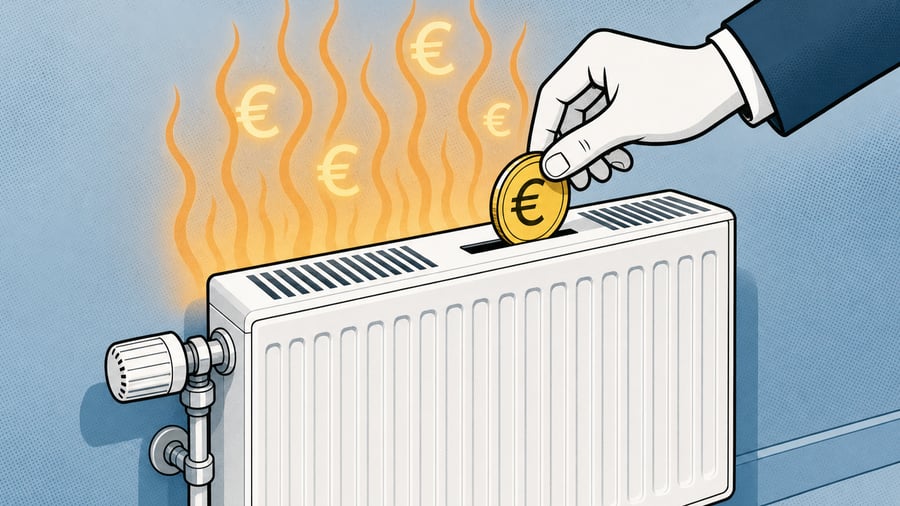
Heating costs for many households will become significantly more expensive this year following the escalation of the Iran war, according to the latest Heizspiegel report released by CO2Online. The annual survey of 67,000 buildings, including single and multi-family homes, reveals the rise in costs for various heating methods. The report predicts a maximum increase of three percent in the cost of heating via district heating and heat pumps, primarily due to inflation.
However, without factoring in inflation, these methods are expected to remain at nominal prices long-term, provided energy networks transition primarily to renewable energy sources.
The good news is that gas prices have seen a slight decrease, as higher wholesale prices have yet to fully impact consumers due to price guarantees in many contracts. Additionally, the gass-saving deposit introduced during the 2022 energy crisis to fund gas reservoir refilling has been removed. Despite this, gas is still projected to be one of the most expensive heating methods long-term due to rising CO2 prices.
Pellets, on the other hand, have seen a nearly identical percentage increase in price as oil. Unlike fossil fuels, their price hike is not tied to global commodity markets but rather regional factors. The scarcity of wood pellets is directly linked to the lack of waste products from sawmills and fallen trees due to storms, drought, or insect infestations.
Written by urgent.news from Handelsblatt's reporting — not their text. Machine-written — may contain errors; check the original before relying on it.