Economists raise concerns as India's growth increasingly becomes credit expansion-led
India's economic growth has accelerated recently, supported by a significant rise in bank credit. Economists express concerns about the sustainability of this growth amid potential inflation pressures. There are questions about how the country will attract enough foreign capital in a changing global environment.
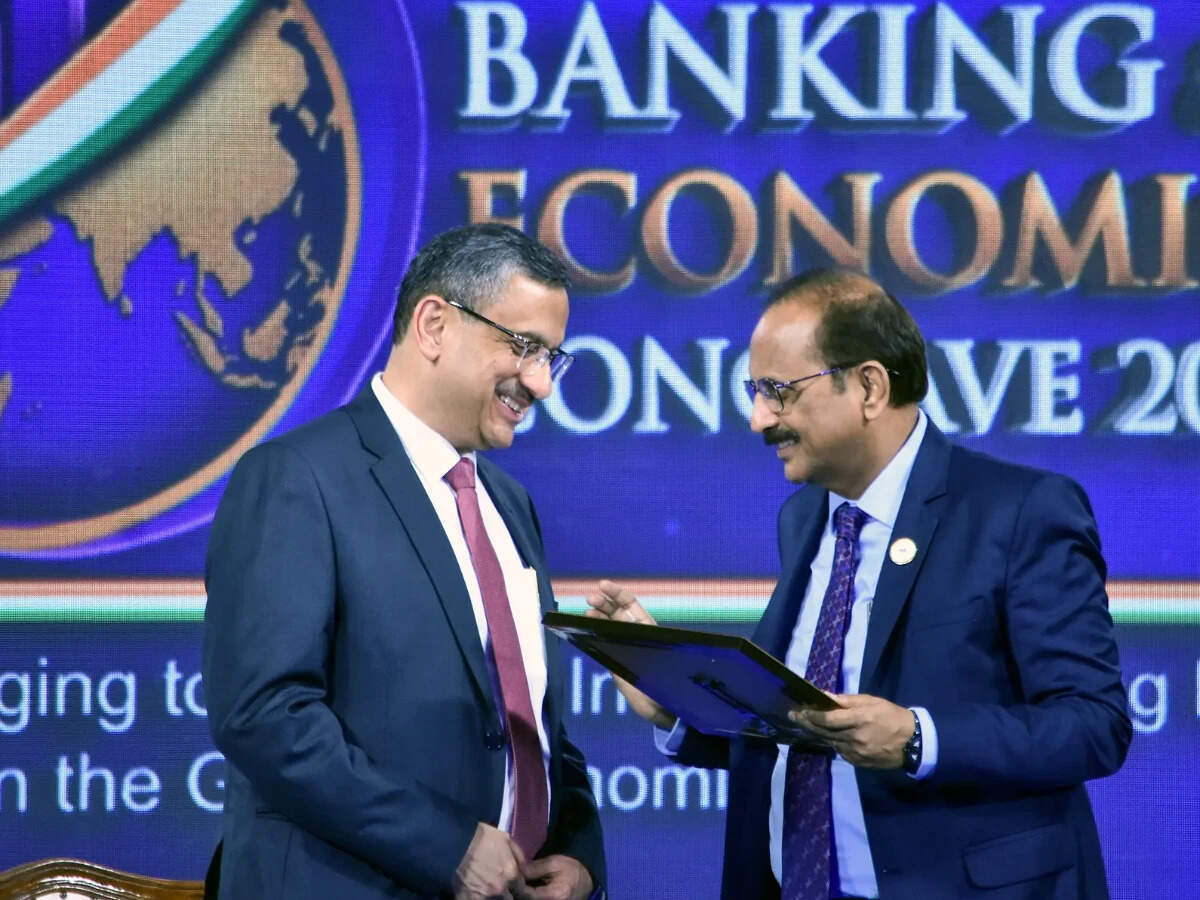
Mumbai: Economists have raised concerns regarding India's growing economic growth, which is increasingly being fueled by a rapid expansion in credit. This pattern has led to questions about the long-term sustainability of the current growth rate and the potential need for the Reserve Bank of India to raise interest rates, as highlighted by various experts.
Saugata Bhattacharya, an external member of the Monetary Policy Committee (MPC), expressed his concerns about credit growth during a panel discussion at the State Bank of India conclave in Mumbai. He pointed out that financial-sector growth has surged significantly, and credit plays a crucial role in supporting the economy. The primary issue, according to Bhattacharya, is determining the extent to which borrowing is being utilized for working capital, personal consumption, and how long this credit-driven growth can persist.
He emphasized that sustained growth over the next 15 years will depend on factors such as consumption, investment, capital expenditure, technology, talent, and skills, all of which must align to maintain the 6.5%-7.5% growth rate in a challenging global environment.
Moreover, Bhattacharya noted that while he remains optimistic about the near-term growth prospects, maintaining this growth trajectory in the longer term will require a carefully balanced approach across multiple economic dimensions. At the same time, Citigroup's Chief Economist, Samiran Chakraborty, highlighted the potential for stronger domestic demand to warrant tighter monetary policy should inflationary pressures intensify.
The current low inflation rate, a result of conservative monetary policies over the past two years, might necessitate interest rate hikes if domestic demand continues to surge. Furthermore, Chakraborty pointed out that India may face difficulties in attracting sufficient foreign capital to finance its investment needs as global conditions evolve.
He estimated that India would require over $60 billion annually over the next decade to bridge the savings-investment gap, a figure that could become increasingly challenging to meet given the narrowing global interest-rate differentials and more selective investor behavior. The critical question, according to Chakraborty, is whether India will be able to secure this level of foreign investment in the changing global economic landscape.
Written by urgent.news from The Economic Times - Economy's reporting — not their text. Machine-written — may contain errors; check the original before relying on it.