Ebola, twins and women-led conservation: Reporting on gorillas for World Gorilla Day
Gorillas are among humans’ closest relatives, with a common ancestor dating back around 8 to 10 million years. Both species of gorilla alive today are on the edge of extinction: The eastern gorilla (Gorilla beringei) is listed as endangered on the IUCN Red List, while the western gorilla (Gorilla gorilla) is critically endangered. In its […]
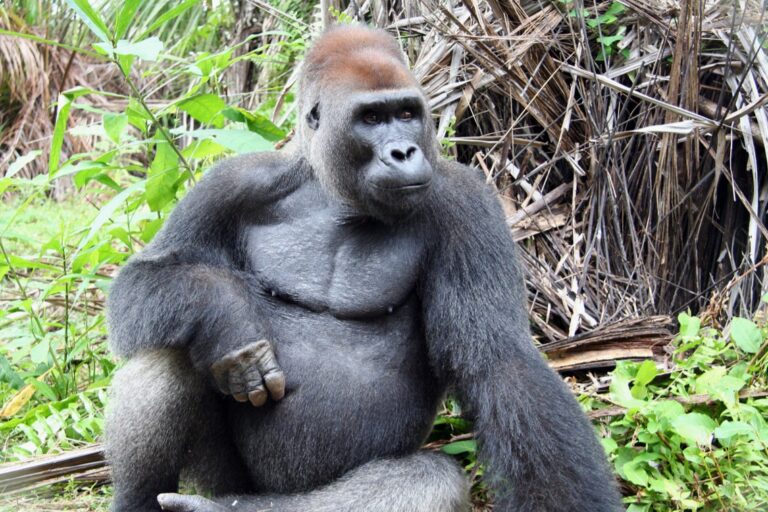
Gorillas, our closest animal relatives, face a dire situation with both species on the brink of extinction. The eastern gorilla, listed as endangered, and the western gorilla, critically endangered, have seen mixed conservation outcomes over the past two decades. While some populations have remained stable, others, like the Grauer's gorilla, have experienced a staggering 60% decline.
Jessi Junker, a researcher at Germany's Senckenberg Museum, emphasized that conservation efforts have been crucial in preventing the extinction of certain gorilla subspecies.
Every September 24 since 2017, World Gorilla Day has been observed to raise awareness about the plight of these magnificent creatures. This year, Mongabay has compiled a snapshot of the successes and setbacks in gorilla conservation. In May 2026, the Democratic Republic of Congo declared a new Ebola outbreak, prompting heightened concerns among conservationists.
While there have been no confirmed Ebola cases in eastern gorillas, which are primarily found in the DRC, the threat remains a significant worry. Previous Ebola outbreaks have had devastating effects on western lowland gorillas, with an estimated 5,000 fatalities during the 2002-2003 outbreak in the Republic of Congo.
Written by urgent.news from Mongabay's reporting — not their text. Machine-written — may contain errors; check the original before relying on it.