During the American Revolution, the City of Lancaster, Pennsylvania, Served as the United States' Capital for Just One Day
The nascent nation's leaders fled to the inland city as the British advanced on Philadelphia in September 1777. They held one meeting at the local courthouse before moving on to York
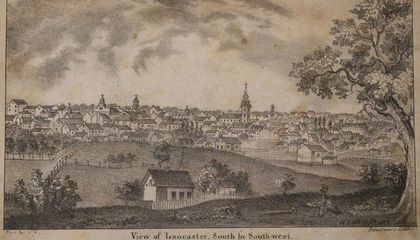
On September 18, 1777, Lieutenant Colonel Alexander Hamilton alerted the Second Continental Congress that British forces were poised to attack Philadelphia. In response, the delegates hastily packed up their records and departed for Lancaster, Pennsylvania, on September 27. Lancaster, a well-established colonial city, offered a strategic location for the fledgling United States capital, situated far enough from British reach but close enough to remain connected to the war effort.
After a brief session, the Congress reconvened in Lancaster's courthouse to discuss routine matters related to the ongoing conflict with Great Britain. The decision to relocate to Lancaster proved to be short-lived, as the delegates soon moved on to York, across the Susquehanna River. Despite its fleeting tenure as the nation's capital, Lancaster proudly commemorates its one-day stint with an annual Capital Day celebration.
The city's contributions to the Revolution extended beyond this brief period, with Lancaster serving as a crucial supply depot, staging area, and site for manufacturing rifles and housing prisoners of war.
Written by urgent.news from Smithsonian's reporting — not their text. Machine-written — may contain errors; check the original before relying on it.