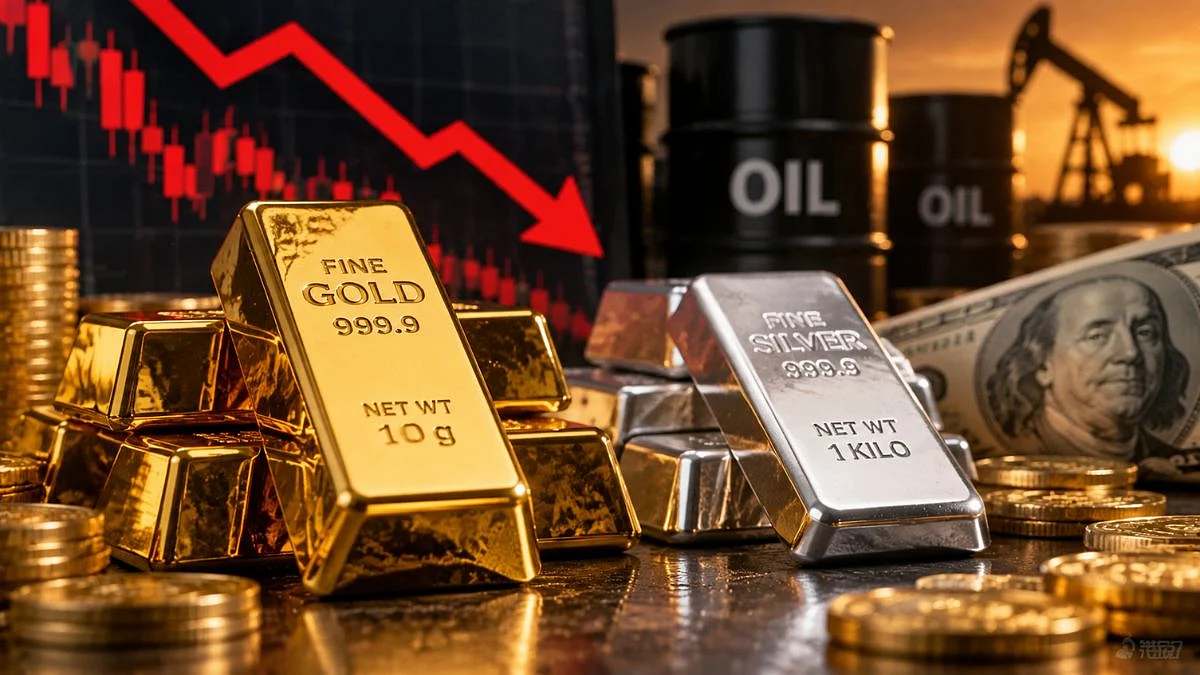
Dollar rally puts Trump treasury’s market intervention to the test
The US dollar has rebounded 6% since January, challenging the treasury's efforts to influence currency and bond markets.
In 2022, the US dollar plummeted by 10%, marking its lowest point since 2017, and many anticipated it would keep falling throughout the year. The surge in the dollar's value, driven by strong US economic data, a hawkish Federal Reserve, and soaring bond yields, is gaining traction. However, an interventionist US Treasury is not pleased with this development, highlighting the need for governments to take bold actions when making market moves.
The dollar endured a 10% drop last year, its worst year since 2017, and was expected to keep falling in 2023. It started the year at a four-year low but has since rebounded by 6%, with momentum accelerating. Analysts believe the dollar has been "freed from debasement." This rally contradicts the narrative of dollar debasement that gained traction last year.
Foreign investors are not turning their backs on the greenback, which might be a relief for the White House but also undermines some of the Trump administration's economic goals, such as boosting American manufacturing and reducing the trade deficit, which rely on a more competitive exchange rate. The surge in bond yields, a major factor behind the dollar's rise, contradicts the US Treasury's objectives.
This situation raises questions about the interventionist tactics in currency and bond markets employed by Treasury Secretary Scott Bessent this year. Late in July, the Treasury collaborated with Japanese authorities to temper the dollar's soaring strength against the yen. Later, Bessent focused on long-term US borrowing costs, announcing a plan to boost the size of scheduled purchases of long-duration debt to lower the yields on these bonds.
Bessent, confident in his decision-making, declared, "I have asymmetric information. I am the house now... You can bet against me if you want." Nevertheless, investors are betting against him. The yen has returned to the intervention zone near 160 per dollar, while long-dated Treasury yields are at their highest in 22 years. Ultimately, attempting to influence the US$30 trillion US Treasury market and US$10 trillion-a-day global foreign exchange (FX) market is not an easy task.
Throughout history, some government interventions have succeeded, but their primary lessons are that words must be backed by overwhelming force, the scale must be enormous, and such moves are often multilateral. In the 1980s, powerful central banks aimed to weaken the overvalued dollar through the "Plaza Accord" of 1985 and the "Louvre Accord" in 1987.
Similarly, coordinated intervention to support the fledgling euro in late 2000 set its all-time low. When managing government borrowing costs through quantitative easing (QE), size, force, and credibility are crucial. The Bank of Japan pioneered this QE policy in the early 2000s, followed by the Fed in response to the global financial crisis.
However, the US Treasury's recent actions are mere specks on the intervention landscape, designed to tackle market illiquidity and unwanted volatility. Even if their small size can bring multi-trillion-dollar markets to heel temporarily, their chances of achieving more are slim.
Written by urgent.news from Free Malaysia Today's reporting — not their text. Machine-written — may contain errors; check the original before relying on it.