Diesel Export Ban Risks Higher Prices, Undercuts Energy Agenda
Trump’s proposed diesel export ban could cut refinery output, raise gasoline and jet fuel prices, and undermine his energy dominance agenda.
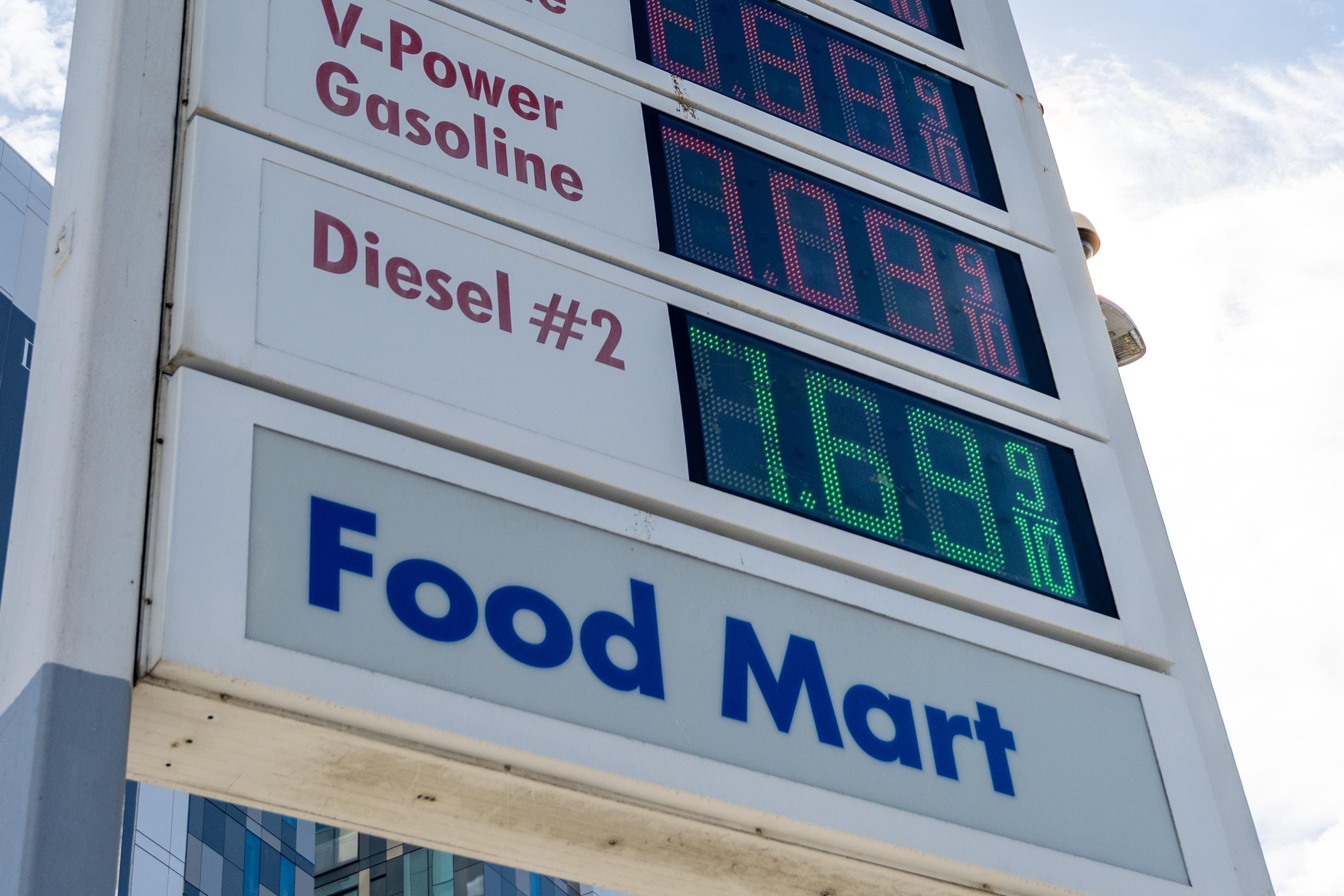
Oil prices surged above $107 per barrel on Thursday due to heightened tensions between Iran and the United States. The global benchmark, Brent crude, rose more than 4% to surpass $107 per barrel, reversing earlier declines that saw the price dip below $100. This price increase reflects the uncertainty surrounding the future of the Iran-US conflict.
Iranian President Masoud Pezeshkian dismissed US pressure, stating Iran would not bow to it, further complicating the potential for a diplomatic resolution. Pezeshkian also affirmed Iran's commitment to its civilian nuclear program, a concern for the US, which views Iran's nuclear capabilities as a threat. President Donald Trump has indicated that he expects a deal to be reached after the US midterm elections, though he has also hinted at considering severe military action against Iran.
The volatility in oil prices is further exacerbated by ongoing disruptions in oil transport through the Strait of Hormuz and attacks on oil shipments via the Red Sea by Houthi rebels, which have added strain to global energy supplies. Additionally, the US is contemplating a 90-day ban on diesel exports, a move that could provide short-term relief to domestic fuel prices but may ultimately lead to higher prices due to reduced refinery production and supply shortages in international markets, particularly in Europe.
The complex interplay of geopolitical factors, supply disruptions, and potential policy actions is causing significant uncertainty in the oil and fuel markets, leaving traders and consumers alike to navigate a precarious landscape.
Written by urgent.news from Hindustan Times - World News's reporting — not their text. Machine-written — may contain errors; check the original before relying on it.
This story
This is one outlet's version. Read the fullest account.