Den svenske sentralbanken holder styringsrenten uendret på 1,75 prosent
Beslutningen kommer kort tid før Norges Bank skal i ilden.
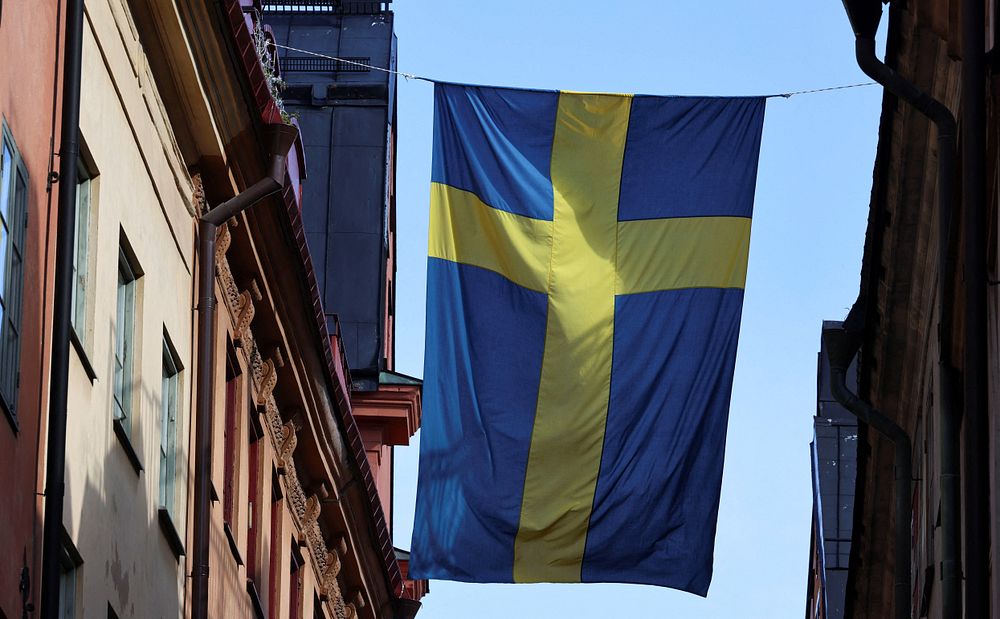
The Swedish central bank, Riksbanken, has decided to leave its policy interest rate unchanged at 1.75 percent. This decision has come after the bank had maintained this rate since September of last year. Economists had expected the rate to remain the same according to a Bloomberg survey. This has created more pressure over what Riksbanken will communicate about future interest rate changes.
In a press release, Riksbanken stated that interest rates should rise further than initially anticipated to stabilize inflation around 2 percent. If economic prospects of higher inflation and growth continue, Riksbanken expects rate hikes to begin in the fall of 2026. This could be the first rate hike for Swedes since 2023. Economic growth has occurred faster than anticipated, partly due to "temporary factors".
At the same time, growth appears to be "broadly based", according to the press release. The major difference between the Swedish rate and the Norwegian one is mainly due to higher wage growth, better growth, and a better labor market in Sweden, said DNB Carnegie senior economist Kjersti Haugland recently to E24. Additionally, tax cuts on food VAT and fuel VAT, along with reduced prices on public transport, have helped keep inflation low, according to Lars Kristian Feste, the interest rate chief at Lannebo Capital Management.
The Swedish Central Bank announces its decision at 10 AM and there is considerable pressure attached to this announcement, with economists divided on whether the rate should rise or stay at 4.25 percent. Riksbanken points out that if we ignore the effects of temporary financial policy measures, inflation would be "fairly close" to 2 percent.
The inflation target Riksbanken is targeting, the CPIF Index with fixed rate, has stayed at 2 percent or lower since January this year. In August, it reached 0.7 percent, according to Statistics Sweden. Riksbanken has a goal that CPIF should stay around 2 percent. "The risk of higher inflation has increased somewhat," said Riksbank deputy head Per Jansson at the end of August.
However, he reminded that the Swedish labor market is still "rather weak", even though economic growth has been higher than expected.
Written by urgent.news from E24 Norway's reporting — not their text. Machine-written — may contain errors; check the original before relying on it.