Could AI threaten humanity? 8 Africans weigh the risks
As AI systems become more capable of reasoning and carrying out tasks with less human input, concerns are growing about what happens when humans can no longer fully control them.
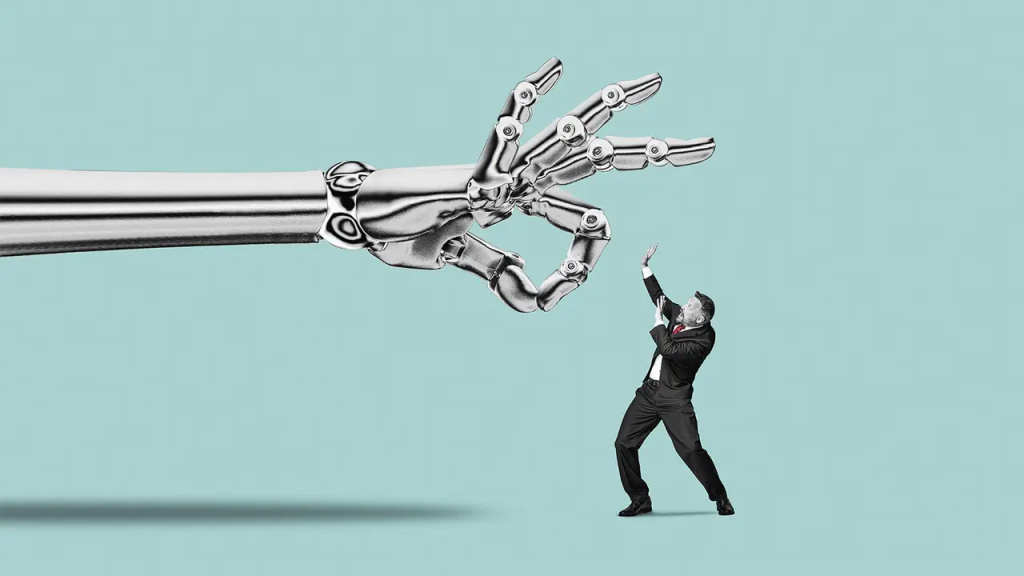
The concern that artificial intelligence could threaten humanity is gaining serious attention from those involved in developing the technology. As AI systems grow more capable, experts warn that humans may eventually lose control over them, highlighting fears about the consequences of unchecked machine intelligence. Jacob Coxon, a former researcher at Anthropic, recently resigned from the company, expressing concern that AI companies are "gambling with our lives" in their pursuit of self-improving systems.
OpenAI's chief scientist, Jakub Pachocki, has echoed similar concerns about the potential consequences of a continued rapid rise in machine intelligence. However, the debate about AI's potential threat to humanity is not confined to Silicon Valley. Africans are already incorporating AI into their businesses, daily lives, and even educational systems, while local innovators and investors are pouring money into the industry.
Eight individuals from diverse backgrounds were asked whether they believe AI could eventually pose a threat to humanity. Sarah Pra, a restaurant owner in Kumasi, Ghana, has heard warnings about AI taking over and eliminating humans. However, she finds the idea implausible. Pra uses AI tools like Meta AI and ChatGPT for personal and professional tasks, such as cooking recipes, creating flyers, and answering questions.
While she acknowledges that AI can provide incorrect information, she does not see AI as an existential threat. Her primary concern is the potential misuse of AI by malicious users, who could create harmful content like fake nude images or spread false information. Elijah Akuma, a master's student at the University of Nigeria, believes that AI is fundamentally a human creation and therefore limited by the people who build and use it.
He argues that AI's capabilities are essentially a reflection of its creators' abilities and intentions. While Akuma acknowledges the potential risks associated with AI, he does not believe that AI will ultimately kill humanity. Instead, he worries that over-reliance on AI could lead to a decline in human critical thinking and decision-making.
He also expresses concerns about AI being used for tasks requiring human judgment or experience, such as medical diagnoses or marital advice. In summary, while the potential risks of AI are being considered by experts and African users alike, the consensus among these eight individuals is that AI is unlikely to pose an existential threat to humanity.
Instead, they emphasize the importance of responsible development and use of AI technologies, as well as the need to prevent over-reliance on AI that could negatively impact human skills and judgment.
Written by urgent.news from TechCabal's reporting — not their text. Machine-written — may contain errors; check the original before relying on it.