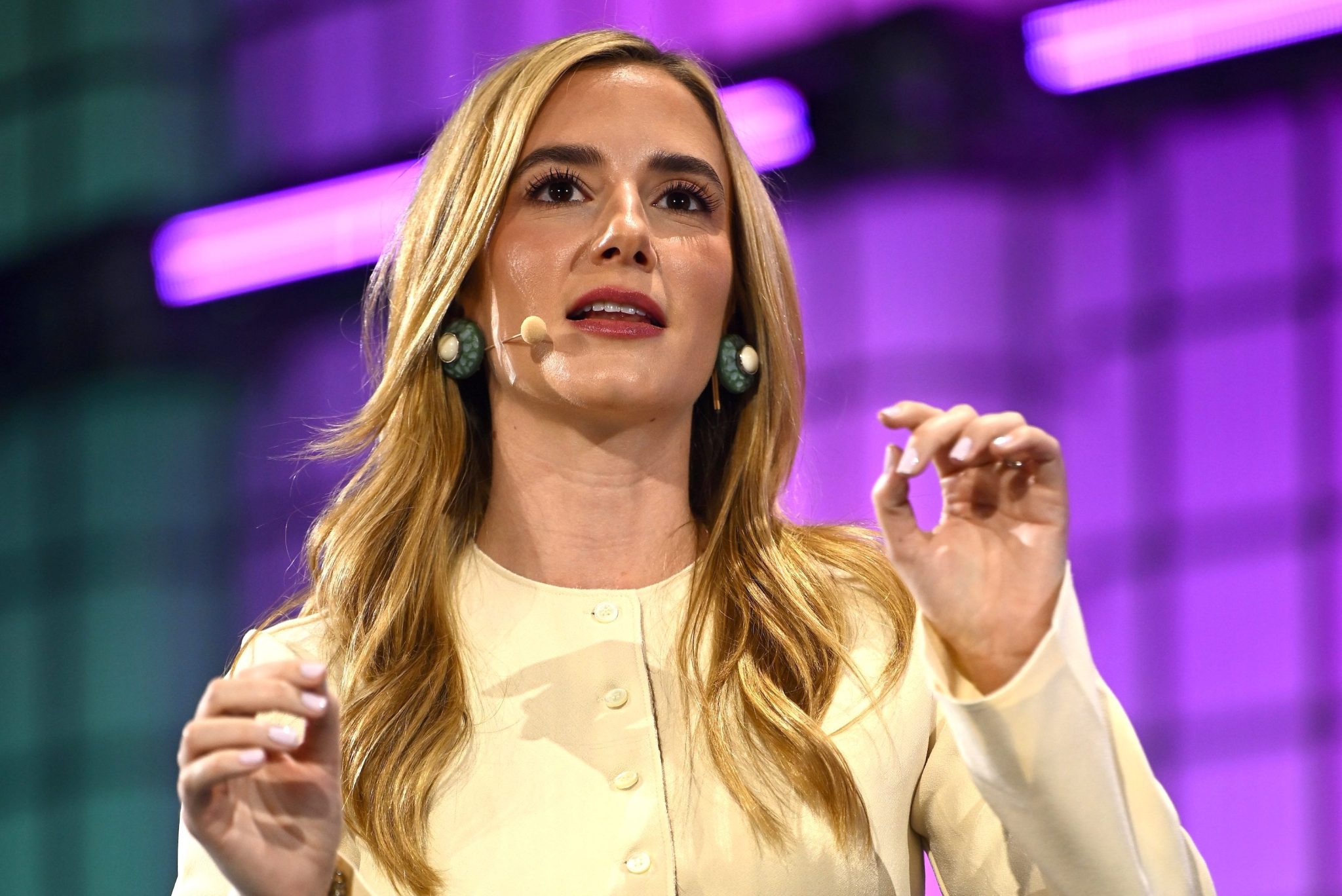
Chinese President Xi Jinping doesn’t have as much leverage as it seems. Read more in today’s WSJ Economics newsletter:
Plus, how deficits boost bond yields, AI’s drug-discovery struggles and signs of a food-price shock
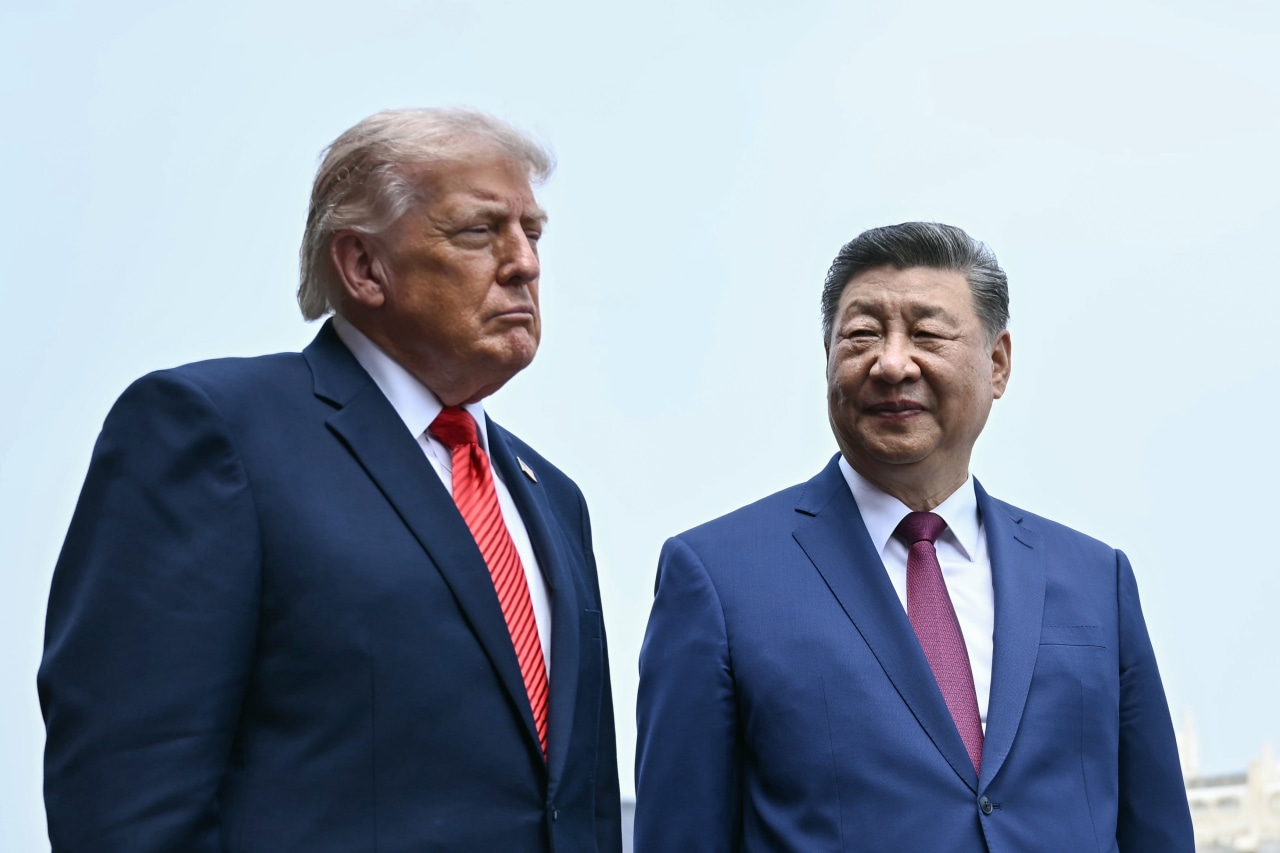
The Trump administration has directed officials to replace the term "artificial intelligence" with "super intelligence" in all official communications. Deputy Assistant Secretary Michael Drager's email instructed staff to make the change in "all remarks, positions and press elements moving forward." The decision comes after President Trump's remarks at the UN General Assembly, where he argued that the word "artificial" diminishes the technology's significance.
US representatives at the UN Security Council echoed Trump's language shift, adopting the term "Super Intelligence." This move coincides with growing concerns about AI's potential risks and a push for regulations from lawmakers and industry leaders. Despite the pushback, Trump has consistently opposed tighter government oversight, asserting that the US will remain ahead of China in AI development.
As Chinese President Xi Jinping arrives in Washington for a state visit, the new terminology will be put to the test in discussions about AI's future.
Written by urgent.news from Euronews's reporting — not their text. Machine-written — may contain errors; check the original before relying on it.
This story
This is one outlet's version. Read the fullest account.