China’s top priority should be wages, not AI
“Whoever wins with AI wins,” US President Donald Trump has declared, dismissing warnings about the risks of developing artificial intelligence too rapidly and citing rivalry with China. The technological competition is real. China has reason to fear becoming dependent on America for advanced chips and AI technology, particularly as Washington has repeatedly restricted its access to cutting-edge…
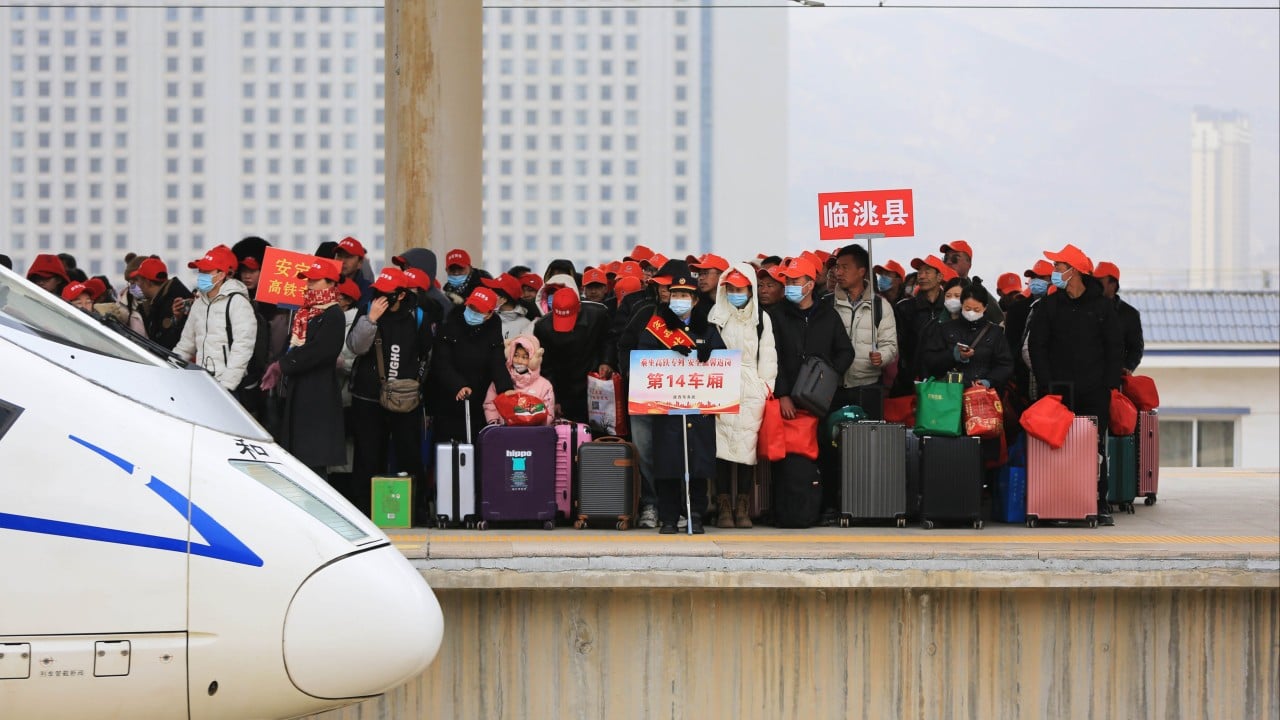
As US President Donald Trump declares, "Whoever wins with AI wins," China is racing ahead in the technological competition while its citizens struggle with low wages. From a factory floor worker's perspective, China seems to have gotten its priorities wrong. Despite pouring billions into AI research, the average migrant worker earned just $758 a month in 2022, up a meager 2.3 percent year-over-year.
Even in industries like retail and hospitality, wages remain stagnant, much too low for an economy of China's size. Economist Dr. Alicia Garcia-Herrero describes this as China's "dual economy": producing world-class technology while its households remain financially repressed. MIT economist Yasheng Huang argues that low wages are not just a consequence, but a fundamental aspect of China's success in high-tech industries.
He suggests China competes at the high end with America in AI, electric vehicles, and electronics, while simultaneously competing with poorer countries in labor-intensive goods. Huang's analysis points to the economic pie's shrinking share going to labor. For instance, manufacturing output's labor share fell from 6.3% in 1992 to 1.8% in 2010, recovering slightly to 3.3% in 2024.
The issue goes beyond workers saving too much. The problem lies in the income not reaching households in the first place. As a factory worker in 1980s Nanjing, I witnessed this firsthand. While China transformed into an economic powerhouse, its workers didn't reap proportionate benefits. Workers are consumers too. China's leaders call for stronger domestic consumption but need to provide greater household income first through higher wages and social protection.
Suppressing wages to make products cheaper also suppresses the purchasing power to buy them. In an era of tariffs, protectionism, and geopolitical rivalry, this model's sustainability is questionable. China's leaders have repeatedly encouraged stronger domestic consumption, but this requires increasing wages and bolstering social security.
Thus, the debate over AI and wages intertwines. While AI improves productivity and spawns new industries, it should serve people, not be an end. The US-China rivalry may escalate into a technological arms race, with AI accelerating labor displacement. China should not allow this rivalry to dictate its economic priorities. Rather than racing to build the smartest machines, China's next great achievement should be ensuring that the people who contribute to its prosperity receive a larger share.
The real race is not just about who designs the most advanced machines, but who enables ordinary people to lead better lives.
Written by urgent.news from South China Morning Post's reporting — not their text. Machine-written — may contain errors; check the original before relying on it.