Brussels has seen the light on electric cars
The European Commission now says plainly that electric cars make Europe more secure, not just greener. Yet its policies still too often treat energy security as an afterthought. At the Paris World Exhibition of 1900, visitors could inspect an engine built to Rudolf Diesel’s design by the French Otto company. It ran on peanut oil. […] Brussels has seen the light on electric cars was originally…
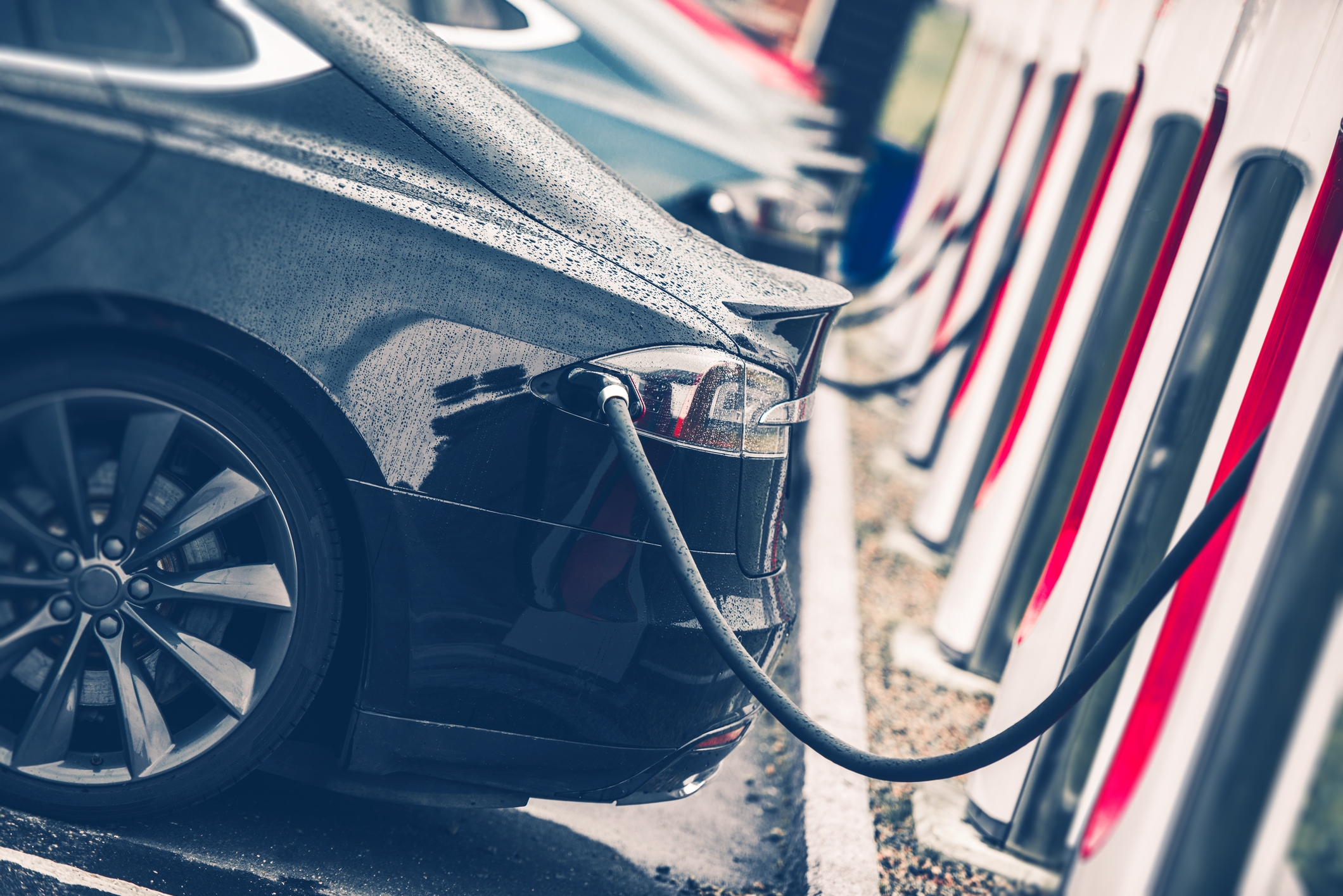
The European Commission has recently emphasized that electric cars contribute to European security and environmental sustainability. However, their policies often still view energy security as a secondary concern. An early example of electric vehicle technology dates back to the 1900 Paris World Exhibition, where a Rudolf Diesel-designed engine ran on peanut oil. Yet, Diesel's vision of vegetable oils becoming a significant fuel alternative never materialized, as Europe becomes heavily reliant on imported oil.
Since 2022, oil prices have been volatile, with Brent crude averaging over 120 US dollars per barrel in June 2022, soaring by 65% in March 2026 due to the Hormuz Strait crisis. In September 2022, the price per barrel was around 107 US dollars, a 50% increase from the previous year. Europe's oil dependence is evident, with 96.6% of its oil imports in 2024.
Electric cars provide a solution by allowing drivers to switch to energy sources like solar, wind, nuclear, and hydro, without affecting their vehicle's internal components. An electric car can be more cost-effective, with up to a 78% reduction in fuel costs compared to traditional combustion engine cars. The European Commission's Electrification Action Plan highlights that electrification would decrease dependence on imported fossil fuels, improve resilience to geopolitical shocks, and potentially cut the EU's fossil fuel import bill by 260 billion euros annually by 2040.
Despite acknowledging the benefits of electric cars, the political climate has been slow to embrace them. High oil prices have driven electric car sales, cutting EU oil imports by an estimated 140,000 barrels per day. However, Brussels' previous focus on CO2 standards and climate neutrality rather than practical benefits led to resistance.
A YouGov survey found that only 8% of potential buyers in Germany, France, Spain, Italy, and Poland preferred fully electric models, while 68% favored dropping the 2035 deadline for new petrol and diesel cars.
In December 2025, the Commission proposed lowering its emissions target from a 100% to a 90% reduction, suggesting a disconnect between the need for electric cars and political pressure. Poland's planned million-electric-car initiative stalled due to the loss of subsidies, impacting registrations. In contrast, Germany offers grants for electric car purchases, resulting in a 48% increase in EV registrations. Overall, electric cars now represent 20.7% of new EU registrations.
Written by urgent.news from Emerging Europe's reporting — not their text. Machine-written — may contain errors; check the original before relying on it.