Black Lung Disease Remains a Threat, but Federal Officials Delay Effort To Address It
The disease has long been a risk of coal mining, an industry the Trump administration is trying to reinvigorate.
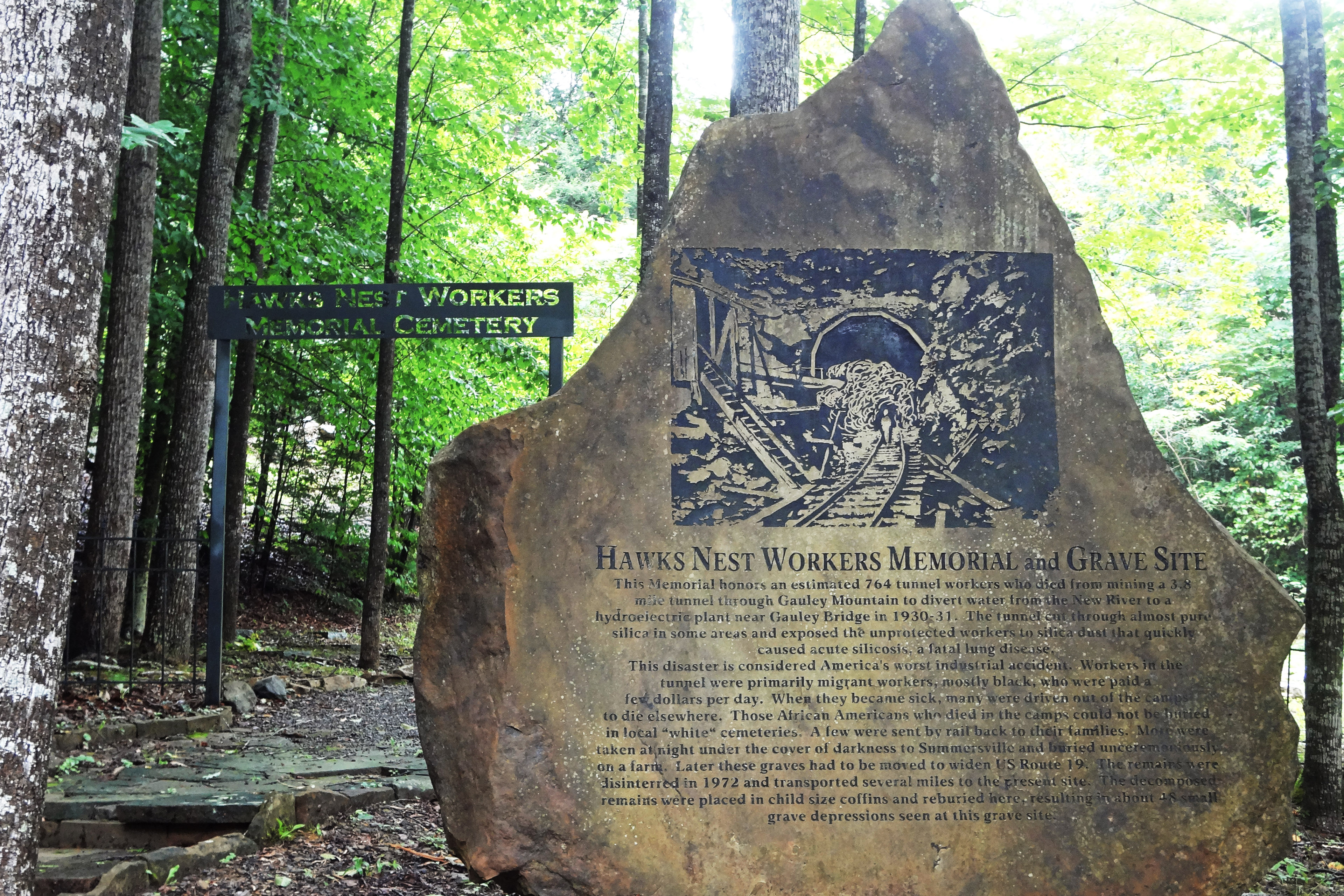
Oak Hill, West Virginia has witnessed disheartening signs of Black Lung disease at New River Health's Breathing Center, according to its director, Lisa Emery. This recurrence mirrors the Hawks Nest Tunnel disaster of 1930, where 3,000 miners, mostly Black, breathed in toxic silica dust, resulting in over 750 fatalities. Despite this, the government has delayed measures to mitigate the risk.
In April 2024, the Trump administration suspended a rule aimed at protecting coal miners from black lung disease, a condition primarily caused by silica dust exposure. This suspension was recently extended indefinitely by the Mine Safety and Health Administration. Gary Hairston, a retired coal miner and president of the Black Lung Association, has been lobbying legislators for improved conditions but claims his efforts are often unsuccessful.
Recent research from the National Institute for Occupational Safety and Health (NIOSH) highlights the urgency of these concerns. The NIOSH reported that 1 in 3 miners in central Appalachia tested positive for black lung disease in 2023, a rate higher than any time in the past 50 years. The last report in 2018 showed a rate of 1 in 5.
Silica dust exposure has intensified as coal seams become harder to reach, leading miners deeper into sandstone. This stone produces minuscule particles 100 times smaller than sand grains, 20 times more toxic than coal dust. Kenny Thompson, a retired West Virginia miner, had his left lung removed after being exposed to silica dust for 22 years.
The new silica rule would halve the allowable dust level, meeting the standard of other industries. However, the National Mining Association argues that compliance would also require additional protective measures, which they claim would be impractical for smaller mines. The 8th U.S. Circuit Court of Appeals recently granted an emergency stay on the rule, allowing operators more compliance time. The Labor Department is currently gathering information on the proposed rule and plans to amend it.
Written by urgent.news from KFF Health News's reporting — not their text. Machine-written — may contain errors; check the original before relying on it.