'Bigger deal' on table: US, China extend trade truce by two months
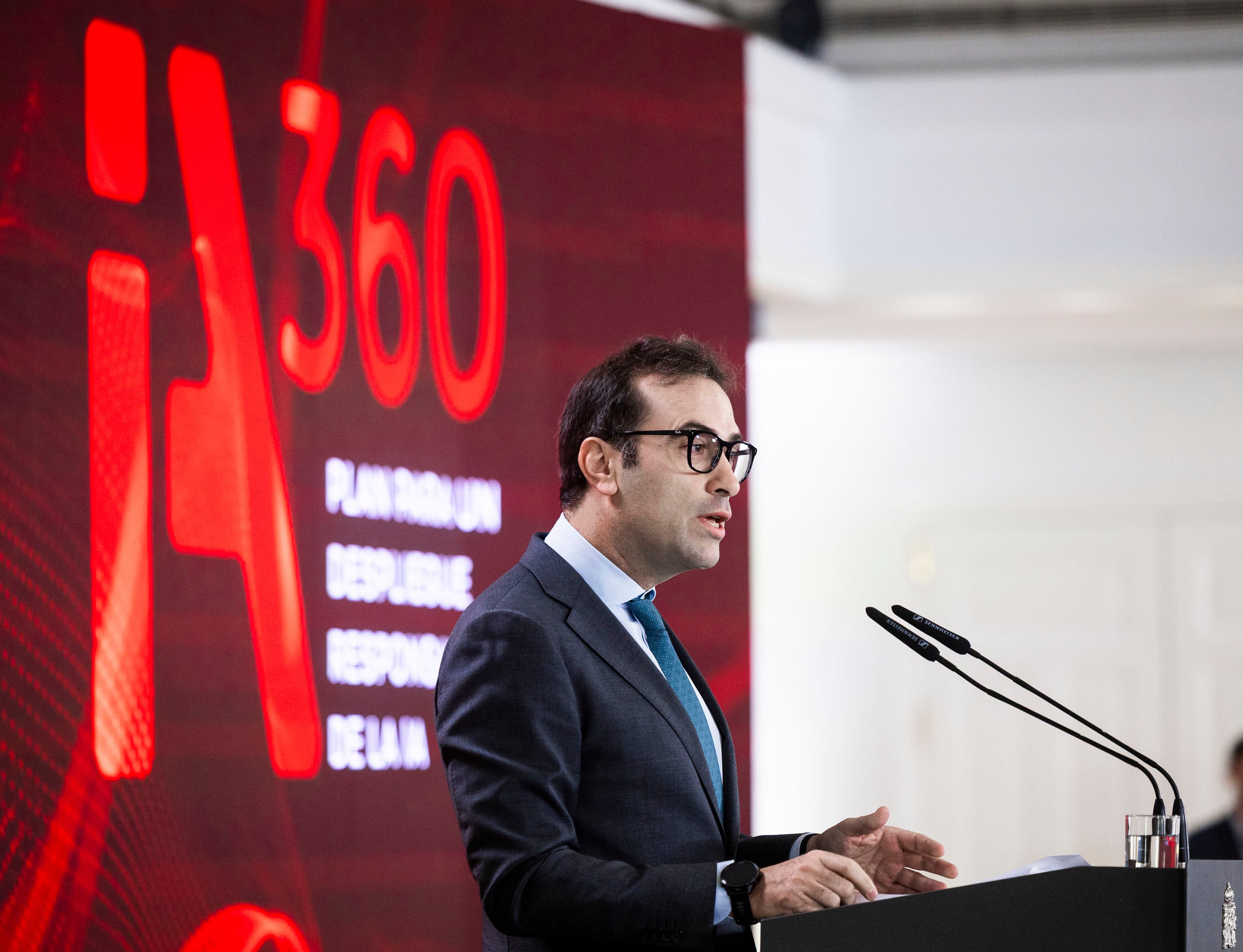
The United States and China have decided to extend their trade agreement until January 10. This extension follows a series of discussions between US treasury secretary Scott Bessent and Chinese vice-premier He Lifeng. The truce allows both countries to evaluate China's compliance with trade commitments while discussing broader agreements. Meetings will address various issues, including artificial…
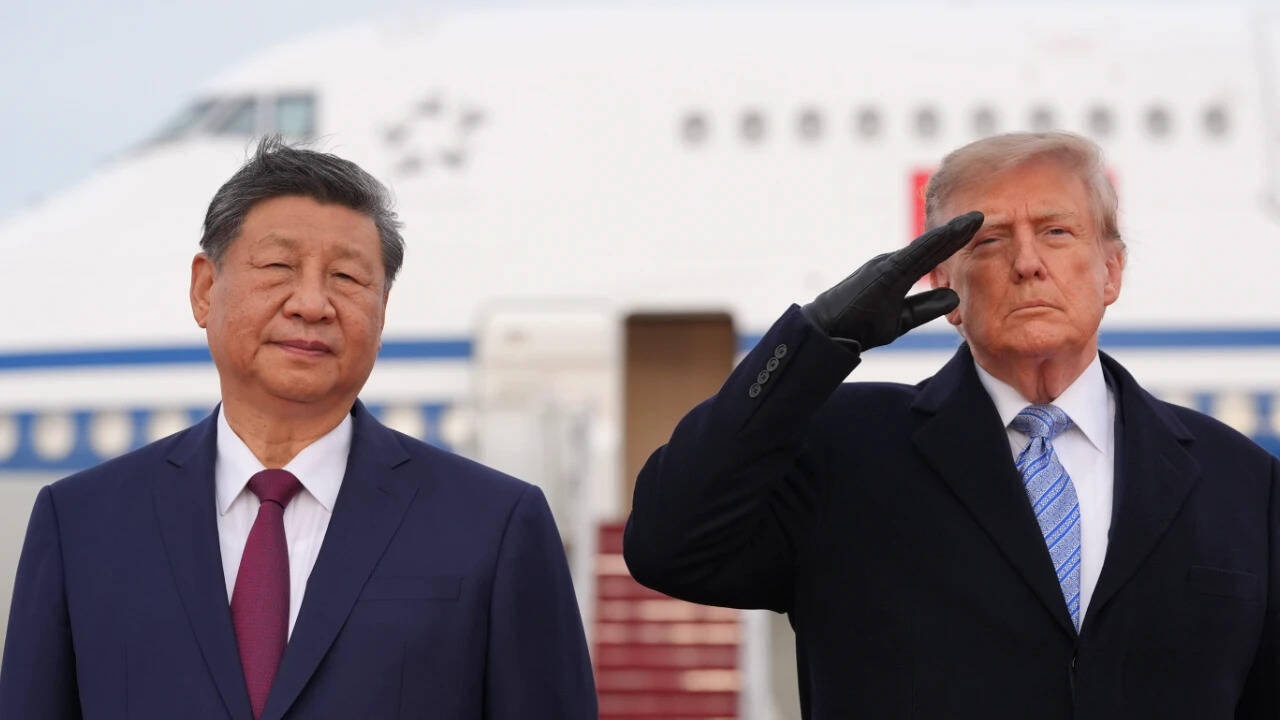
The United States and China have agreed to prolong their trade truce by two months, granting President Donald Trump and President Xi Jinping additional time to navigate their broader economic tensions. This extension of the truce, known as the "Busan Agreement," will remain in effect until January 10, surpassing the initial November 10 expiration date. Treasury Secretary Steven Mnuchin disclosed that the agreement would remain in place following a private meeting with Chinese Vice-Premier He Lifeng in Washington.
Mnuchin revealed that both nations had agreed to extend the truce while evaluating Beijing's compliance with its commitments, particularly concerning rare-earth exports. He also mentioned that China had proposed a more comprehensive trade agreement, to which the US had already consented. During their initial discussions, the two sides announced plans to launch an artificial intelligence (AI) dialogue and establish a bilateral trade body.
The truce extension aimed to de-escalate tensions following Trump's implementation of sweeping tariffs, which sparked a significant trade conflict. Under the Busan agreement, both sides reduced certain tariffs, suspended additional restrictions and controls on rare-earth exports, and secured China's commitments regarding US soybeans and fentanyl precursors.
Beyond trade, the leaders' summit today is anticipated to address Taiwan, technology, artificial intelligence, and China's relations with Iran. Reports suggest Xi may raise concerns over Taiwan, including objections to US arms sales, while Trump is expected to maintain US export controls. AI safety is emerging as another area of potential communication, with both sides working to define risks like uncontrolled AI agents and non-state actors utilizing AI for cyber or biological threats. A subsequent AI safety meeting is expected in Shenzhen within two months.
The immediate outcome of these meetings is likely to be a series of narrower agreements that maintain stability while leaving deeper disputes over trade, technology, Taiwan, and Iran unresolved.
Written by urgent.news from Times of India's reporting — not their text. Machine-written — may contain errors; check the original before relying on it.