Australia housing runs out of rescuers as RBA is set to hike rates
SYDNEY: For decades, whenever house prices in Australia fell, the central bank rode to the rescue with rate cuts to shore up economic demand and keep households spending.
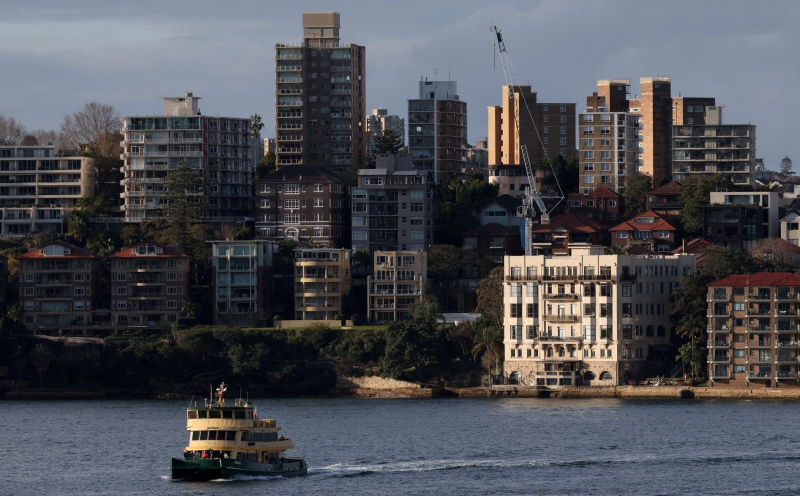
For decades, the Reserve Bank of Australia (RBA) would lower interest rates to support economic demand and prevent housing price declines. However, with house prices falling once again, the RBA is raising rates, potentially initiating its worst downturn in a generation. The central bank is anticipated to lift interest rates for the fourth time next Tuesday to a 15-year high of 4.6 per cent, according to market participants and economists polled by Reuters.
A global investment boom in data centers and government spending on defense and healthcare are factors contributing to the rising inflation outlook, as stated by economists. Reserve Bank of Australia Governor Michele Bullock remarked that the situation presents new challenges for monetary policy, as supply-side shocks pose difficulties for managing demand.
Inflation is projected to remain high for a longer period, making falling housing prices insufficient to prompt the RBA to cut rates on their own. Despite many Australians facing financial struggles, a resilient labor market is bolstering incomes, enabling households to spend on electric vehicles as oil prices surge. The RBA has already raised rates three times this year, reaching a post-pandemic high of 4.35 per cent, which helped reduce inflation from a peak of 7.8 per cent.
However, policymakers are uncertain if their efforts have been sufficient, given the housing market's decline of nearly four per cent from its peak. Economists predict a peak-to-trough fall of 10 per cent for housing prices, the largest in three decades. If rates rise twice more, HSBC projects a 13 per cent decrease, while others forecast 13 per cent if rates rise twice more.
Traders expect further rate hikes to 4.85 per cent, with a 70 per cent chance of reaching 5.1 per cent. The US-Israeli war and the data center boom are cited as key inflation risks, and oil prices nearing US$100 a barrel could exacerbate broader price pressures. The RBA's decision to maintain policy for two consecutive meetings was attributed to the impact of these inflation risks.
While some argue for a bearish outlook on the housing market, the RBA may still need a larger housing downturn to balance the aggregate economy, according to macro strategist Lachlan Dynan.
Written by urgent.news from New Straits Times's reporting — not their text. Machine-written — may contain errors; check the original before relying on it.