Asian currencies fall the most since May as oil prices, bond rout bite
SINGAPORE: Emerging Asia currencies fell the most in more than four months on Thursday, weighed down by oil-driven inflation risks and sharply higher US Treasury yields, as markets monitored the Middle East conflict and US-China talks.
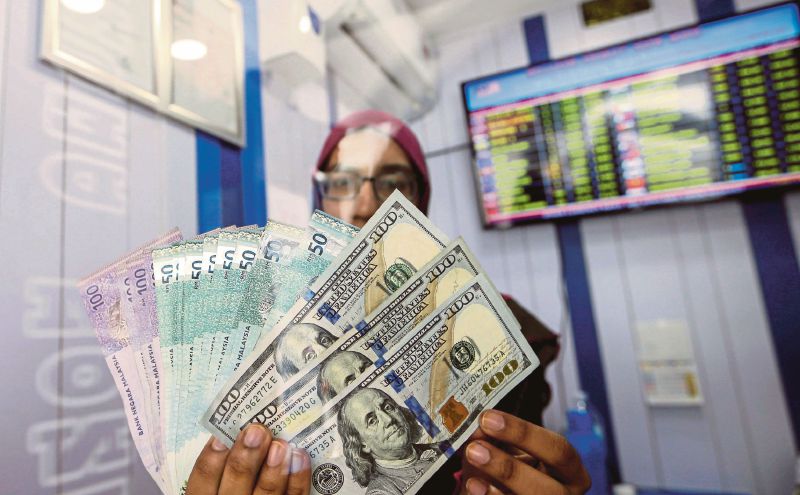
Emerging Asia currencies dropped to their lowest point in nearly five months on Thursday, impacted by concerns over oil-driven inflation, a surge in US Treasury yields, and ongoing Middle East conflict and US-China negotiations. The MSCI index tracking emerging market currencies fell by 0.4 percent, marking the sharpest one-day decline since mid-May.
Iran's conflict has further pressured these currencies, as high oil prices escalate inflation in energy-consuming nations and undermine government finances. Oil prices surged by almost four percent following Iran's president's declaration of unwavering defiance against US pressure, although they later retreated after Iran expressed willingness to engage in dialogue.
Fiona Lim, a senior FX strategist at Maybank, emphasized that higher oil prices might weigh more heavily on regional currencies than the Federal Reserve or rising US Treasury yields. Simultaneously, the dollar lingered near a two-month peak due to robust manufacturing figures, which sparked optimism about a potential Federal Reserve rate hike, and weaker-than-expected US Treasury auction yields.
Energy-importing countries like Thailand, the Philippines, and India witnessed their currencies slipping by 0.1 to 0.3 percent. The Indonesian rupiah experienced the steepest decline, falling up to 0.6 percent to 17,900 dollars, its lowest level since early August. The rupiah has depreciated by approximately 6.8 percent this year due to fuel subsidies and other long-standing issues concerning policy-making, fiscal spending, and central bank autonomy, although it has since stabilized somewhat.
Bank Indonesia maintained steady interest rates on Wednesday after hiking them by 100 basis points this year, indicating a preference for supporting the rupiah through market-based solutions rather than another rate increase. Fakhrul Fulvian, chief economist at Trimegah Sekuritas Indonesia, stressed that the next crucial indicator will be fiscal policy.
In North Asia, the South Korean won fell by 0.3 percent. The Korean stock market was closed for the Chuseok holiday. Unlike most currencies in the region, the won has strengthened this year by around 5 percent, thanks to AI-trade linked inflows that offset energy price pressures. Currencies with limited exposure to the technology sector and greater sensitivity to higher energy prices might face renewed pressure, according to Lloyd Chan, an FX strategist at MUFG.
Anticipation of imminent US rate hikes also diminished regional equity performance, with the MSCI EM Asia equities index declining 0.8 percent. Stocks in Jakarta plummeted by one percent, while those in India and the Philippines dropped by 0.9 percent and 0.6 percent, respectively. Investors are also eagerly awaiting the upcoming summit between US President Donald Trump and Chinese President Xi Jinping in Washington on Thursday, where expectations of trade, technology, and Iran-related tensions loom large amidst a ceremonial atmosphere.
Written by urgent.news from New Straits Times's reporting — not their text. Machine-written — may contain errors; check the original before relying on it.