Argentine poverty rate climbs, in setback for Milei
BUENOS AIRES, (Argentina): Argentina’s poverty rate increased to 32.3 per cent in the first half of 2026, partly erasing gains made under President Javier Milei as incomes fail to keep step with rising prices, official statistics showed Thursday.
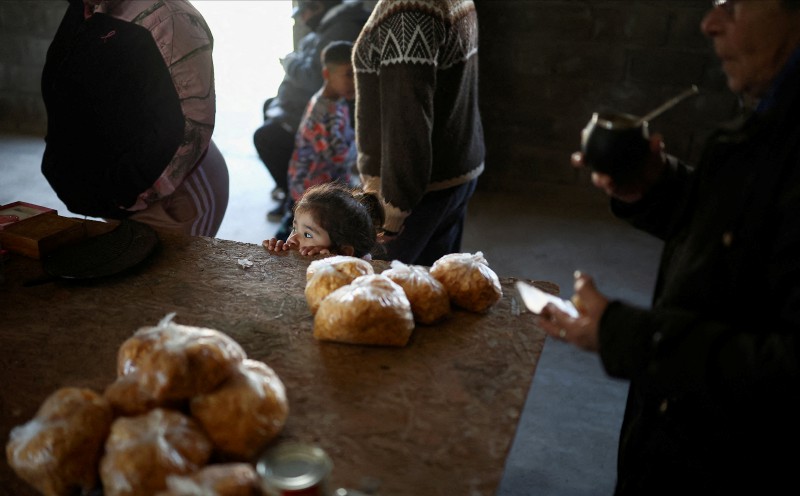
BUENOS AIRES, Argentina experienced a rise in its poverty rate to 32.3% in the first half of 2026, according to official statistics released on Thursday. This figure marked a 4.1-point increase compared to the same period last year, reported the national statistics agency Indec. Notably, the rate of extreme poverty also surged, climbing from 6.3% to 7.5%.
Children aged 14 and younger were the most affected, with 44.5% classified as poor and 10.8% as extremely poor. Poverty is defined by Indec as having insufficient income to afford a basket of goods and services valued at approximately $340 (RM1,400), while extreme poverty is determined by the inability to afford a food-only basket worth around $150 (RM613).
These figures presented a setback for President Javier Milei, a free-market radical who had previously reduced the poverty rate by nearly half during his first two years in office. His administration achieved this primarily through tackling high inflation. Since his inauguration on a platform of economic revival through austerity and deregulation, the poverty rate has fluctuated significantly.
It peaked at 52.9% in the first half of 2024, following a severe devaluation of the peso, and dropped to 28.2% in the second half of last year. This year's rise in poverty coincided with a rebound in inflation at the start of the year, which then declined to 1.7% in August, the lowest level in 14 months. Eduardo Donza, a researcher at the Social Debt Observatory of the Argentine Catholic University (UCA), attributed the high poverty rates in South America's second-largest economy to job insecurity.
The manufacturing and retail sectors have experienced significant job losses due to falling purchasing power and Milei's decision to open Argentina to foreign competition, resulting in a surge in imports. Over 30,000 companies have closed since his presidency began, and the unemployment rate reached 7.9% in the second quarter of this year, the highest since 2021.
Economists believe that job insecurity, rather than unemployment, is driving poverty, as families resort to informal work such as waste collection, street vending, and selling food at train stations when faced with job insecurity. Milei claims that his policies have lifted 14 million people out of poverty, an estimate based on the decline in poverty following his presidency.
Written by urgent.news from New Straits Times's reporting — not their text. Machine-written — may contain errors; check the original before relying on it.
This story
This is one outlet's version. Read the fullest account.
- Argentine poverty rate climbs, in setback for Milei freemalaysiatoday.com
- Argentina's poverty rate climbs to nearly one in three under Milei france24.com
- Argentina’s poverty rises to 32 percent under Milei with more pain forecast aljazeera.com