Airbus identifies A321neo defect, says no safety risk
MEXICO CITY: Airbus said on Thursday it had identified and contained a “quality issue” in the fuselage structure of its A321neo aircraft, but that planes could continue operating as it does not pose a safety risk.
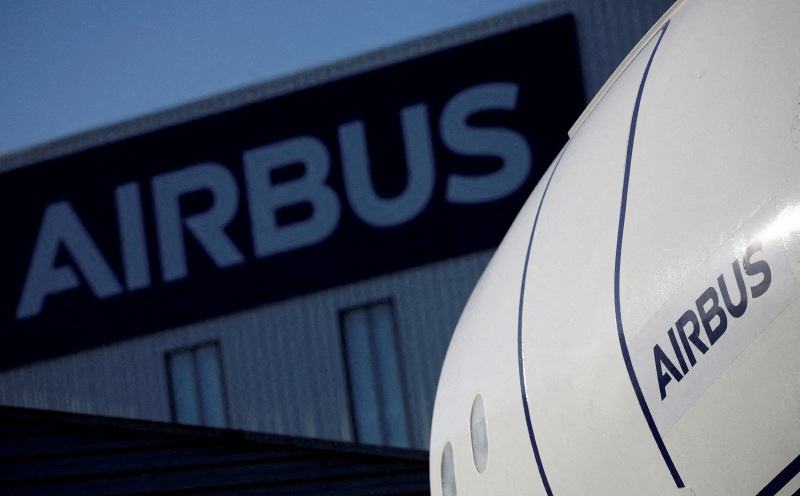
Airbus has discovered a quality issue in the fuselage structure of its A321neo aircraft, but it poses no safety risk, the company announced on Thursday. The defect affects around 500 A321neo planes, with about 250 already operational and another 250 still under production. The A321neo, Airbus' largest and most popular single-aisle jet, can carry up to 244 passengers and is built for routes up to 4,000 nautical miles.
This marks the second fuselage-related problem for the industry's best-selling model in nine months, following earlier defects in fuselage panels reported in December. Airbus discovered the issue while parts were being reworked on the production line, classifying it as a deviation in the surface protection or coating applied to the structural components called stringers.
The problem was identified over the summer, with initial findings confirmed recently. Airbus has pinpointed the source of the issue and provided a remedy, signaling that the situation does not compromise safety. However, the discovery has led to several months of delivery delays. The company informed customers that no immediate repair is required, though European regulators might later mandate a fix within a specific timeframe.
While Delta, which operates A321neo aircraft, maintains communication with Airbus and adheres to recommendations and regulations, industry publication The Air Current was the first to report the issue.
Written by urgent.news from New Straits Times's reporting — not their text. Machine-written — may contain errors; check the original before relying on it.