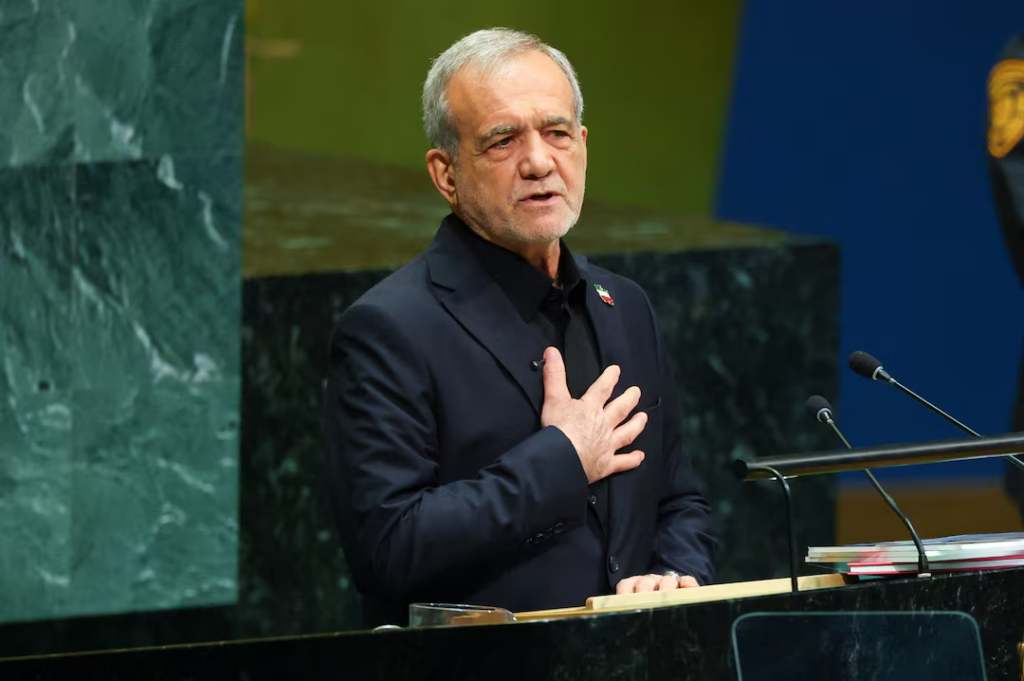
African leaders press United Nations for permanent seats on Security Council
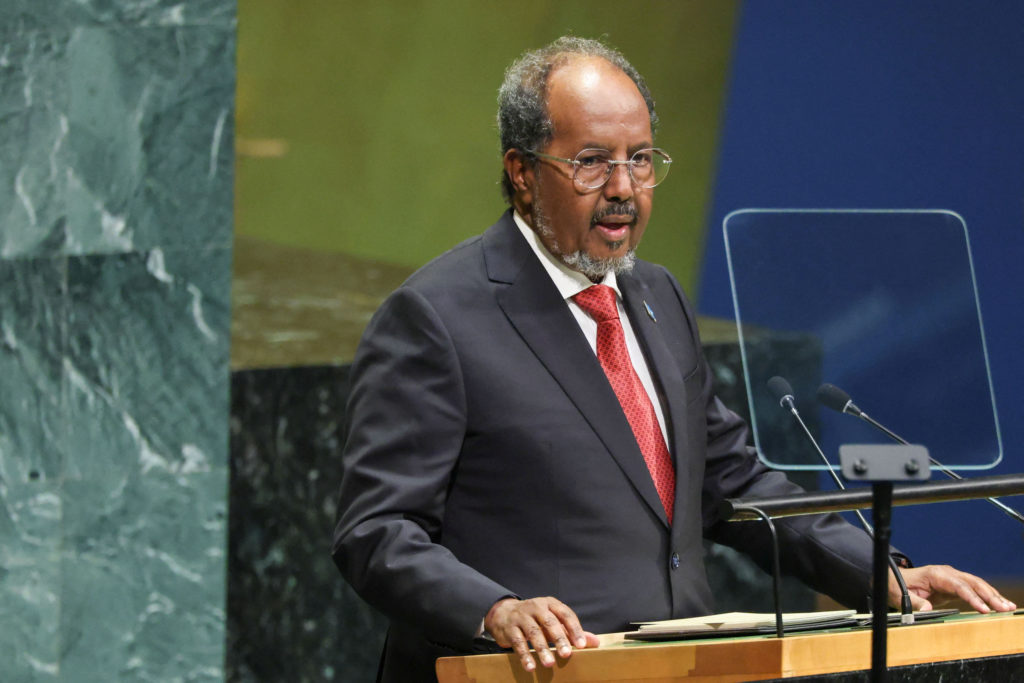
As in years past, African leaders attending the U.N. General Assembly this year are demanding a reform of the powerful Security Council that would include permanent seats for countries from the continent in the global body's highest decision-making structure.
President Bola Tinubu urged the United Nations to overhaul its Security Council, demanding at least two permanent African seats with veto power to ensure the continent's concerns are no longer marginalized. Tinubu warned that the world of 2026 cannot remain bound by the power distribution from 1945, emphasizing that Africa cannot continue to fill the Council's agenda while lacking permanent membership.
He asserted Nigeria's commitment to the Ezulwini Consensus and the Sirte Declaration, which call for the permanent African seats, along with five non-permanent seats in total. Tinubu also called for an end to global warfare and nationalism, urging world leaders to reject unilateral aggression and uphold the UN Charter's principles of dialogue and collective responsibility.
He highlighted Nigeria's peacekeeping efforts in Africa, pledging to take on greater responsibility to restore peace across the continent. Tinubu framed Nigeria's foreign policy as rooted in the same conviction guiding its economic reforms, focusing on disciplined macroeconomic management, robust institutions, private-sector growth, and strategic public investment.
He emphasized that internal achievements mean little if external threats are ignored, stressing that leaders must confront security and climate realities rather than pretending borders offer invulnerability. Tinubu advocated for global action on climate change, rejecting the false dichotomy between development and climate action, and reaffirmed Nigeria's commitment to the Paris Agreement and a fair energy transition.
He stressed that Africa bears a heavy climate burden despite contributing under 4% of global emissions and outlined Nigeria's plans to achieve net-zero emissions by 2060 while expanding access to affordable, reliable, and sustainable energy. The President urged nations to invest in low-carbon technology pathways and climate finance to support industrialization, poverty eradication, and energy access in developing countries.
Written by urgent.news from This Day's reporting — not their text. Machine-written — may contain errors; check the original before relying on it.
This story
This is one outlet's version. Read the fullest account.