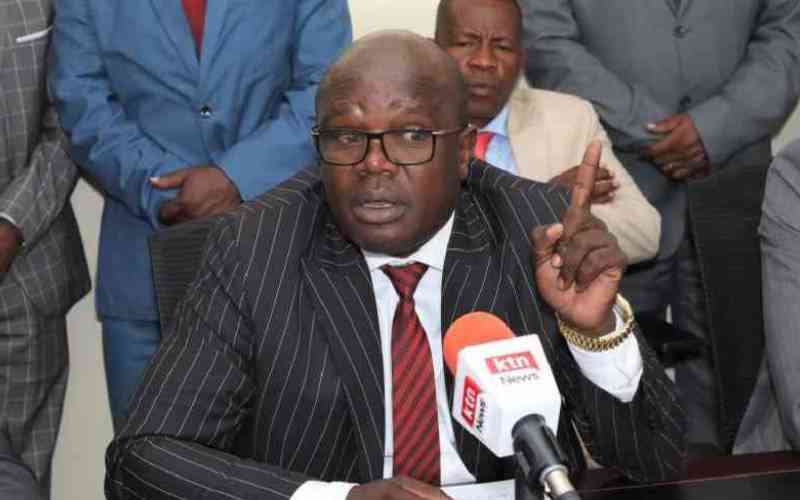
AfCFTA needs efficient payment systems, borders and infrastructure to boost intra-African trade – Wamkele Mene
Africa must strengthen its capacity to deliver the payment systems, efficient borders and infrastructure that businesses need to benefit from the African Continental Free Trade Area (AfCFTA), H.E. Wamkele Mene, Secretary-General of the AfCFTA Secretariat, told project professionals at Project Management Institute’s Global Summit Series in Cape Town.
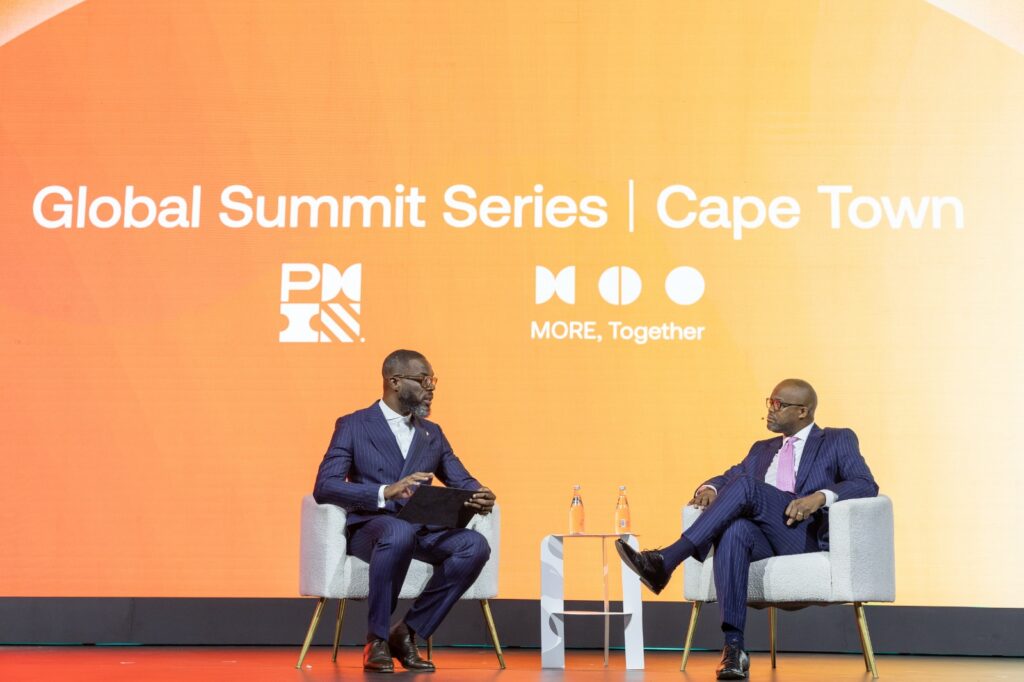
Wamkele Mene, Secretary-General of the AfCFTA Secretariat, emphasized during the Project Management Institute's Global Summit Series in Cape Town that efficient payment systems, streamlined borders, and improved infrastructure are crucial for African businesses to capitalize on the African Continental Free Trade Area (AfCFTA). Mene highlighted the need for aligned national policies, modernized customs, and seamless cross-border payments in local currencies to turn trade commitments into tangible market access.
He cited the Pan-African Payment and Settlement System (PAPSS) as a mechanism to reduce reliance on third currencies, saving the continent approximately US$5 billion annually in currency conversion costs. Mene stressed that the effectiveness of integration hinges on the underlying systems and stressed the role of project professionals in developing the necessary skills to manage these complex systems.
He also addressed concerns about the impact of liberalization on domestic industries, noting the presence of safeguards and adjustment support for affected sectors. Infrastructure, digital investment, and project preparation were identified as critical components, with the Digital Trade Protocol playing a pivotal role in attracting investment in emerging technologies and data centers.
The ultimate goal, as per Mene, is to ensure businesses can enter new markets at lower costs with reduced administrative burdens, thereby determining the success of continental integration in driving commercial opportunities.
Written by urgent.news from Joy Business's reporting — not their text. Machine-written — may contain errors; check the original before relying on it.