A test of metal: China’s rare-earth leverage looms over Trump-Xi talks
The last time presidents Donald Trump and Xi Jinping met, they emerged optimistic, even without a formal deal. Their reunion on Thursday comes with much more at stake: China’s grip on the rare earths needed to keep US factories, advanced technology and defence production running. The leaders of the world’s two largest economies reconvene at the White House with trade, artificial intelligence and…
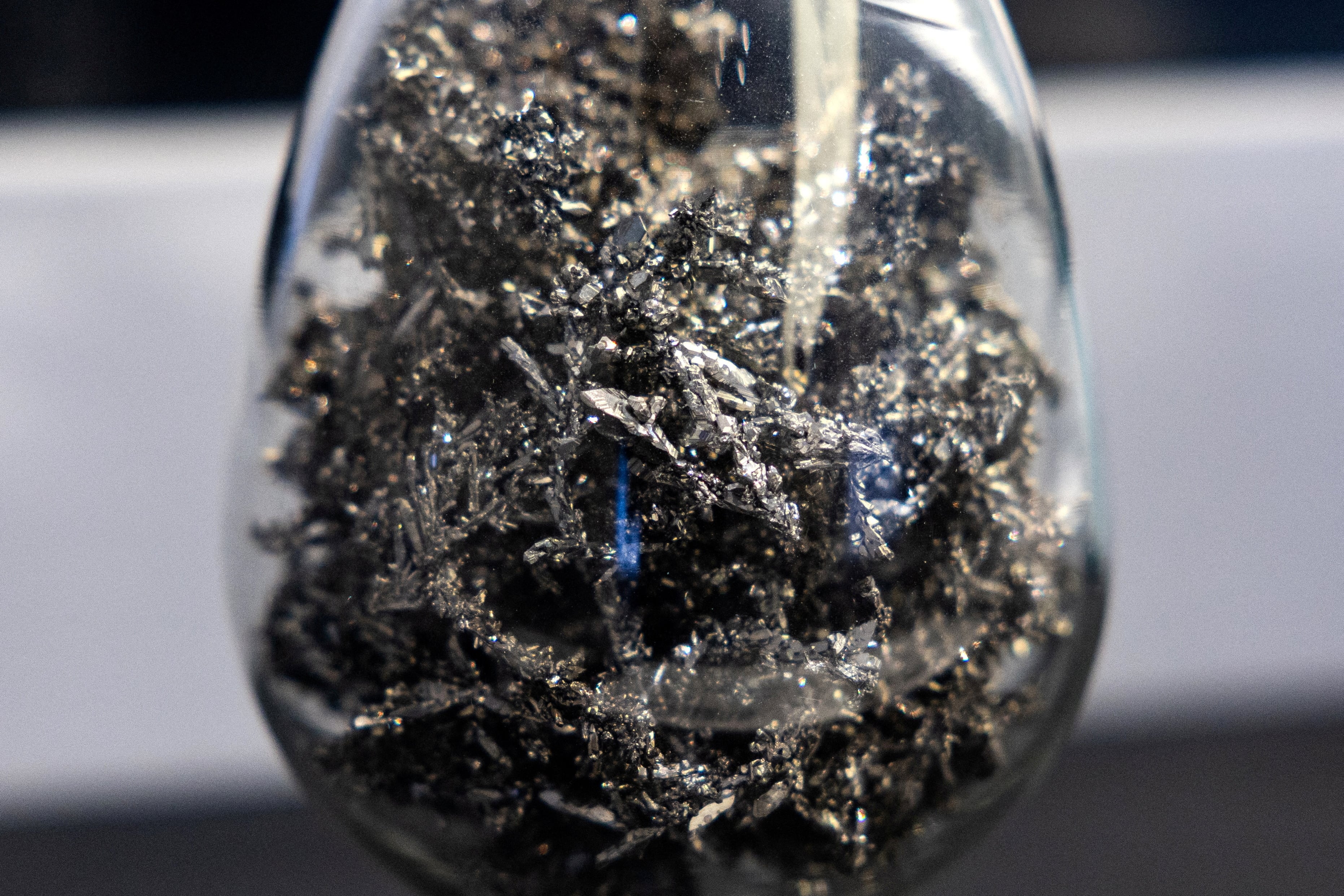
In a high-stakes meeting between US President Donald Trump and Chinese President Xi Jinping, the upcoming discussion in Washington is overshadowed by China's control over rare earths. Critical minerals, including rare earths, are vital for modern technology and industries like electric vehicles, power grids, advanced manufacturing, and defense.
China, the world's largest economy, dominates the rare-earth industry with about 44 million tonnes of reserves, more than double Brazil's 21 million tonnes. Beijing's dominance has led to strict controls and curbs on rare earths, causing disruptions in supply chains that rely on US factories and technology. Analysts warn that China's leverage in this area could stall US manufacturing and defense production if it decides to throttle production, making it difficult for the US to develop alternative supply chains quickly.
While the US can respond with tariffs, technology controls, and investment in its own industry, these steps may not replace Chinese supply in the short term. The US and China have extended their trade truce until January, with lower US levies on some Chinese products in exchange for Beijing easing restrictions on rare earths. However, this deal may only provide temporary relief, as countries like Saudi Arabia and the UAE are expanding their ambitions in critical minerals to challenge China's dominance.
The US still has tools to pressure Beijing, but both sides face the risk of responding asymmetrically, such as by reducing critical mineral exports.
Written by urgent.news from The National Business's reporting — not their text. Machine-written — may contain errors; check the original before relying on it.
This story
This is one outlet's version. Read the fullest account.
- A test of metal: China’s rare-earth leverage looms over Trump-Xi talks thenationalnews.com
- US allies fret their position could be weakened in China talks semafor.com