A new Gulf-Iran relationship should separate rivalry from confrontation
For years, Gulf states have faced a familiar problem: how to contain the risks posed by Iran without allowing rivalry to turn into open war. The sources of tension were never difficult to identify. Iran’s nuclear programme, ballistic missiles, ties to armed groups across the region and the uncertainty surrounding the Strait of Hormuz have shaped Gulf security calculations for decades. The…
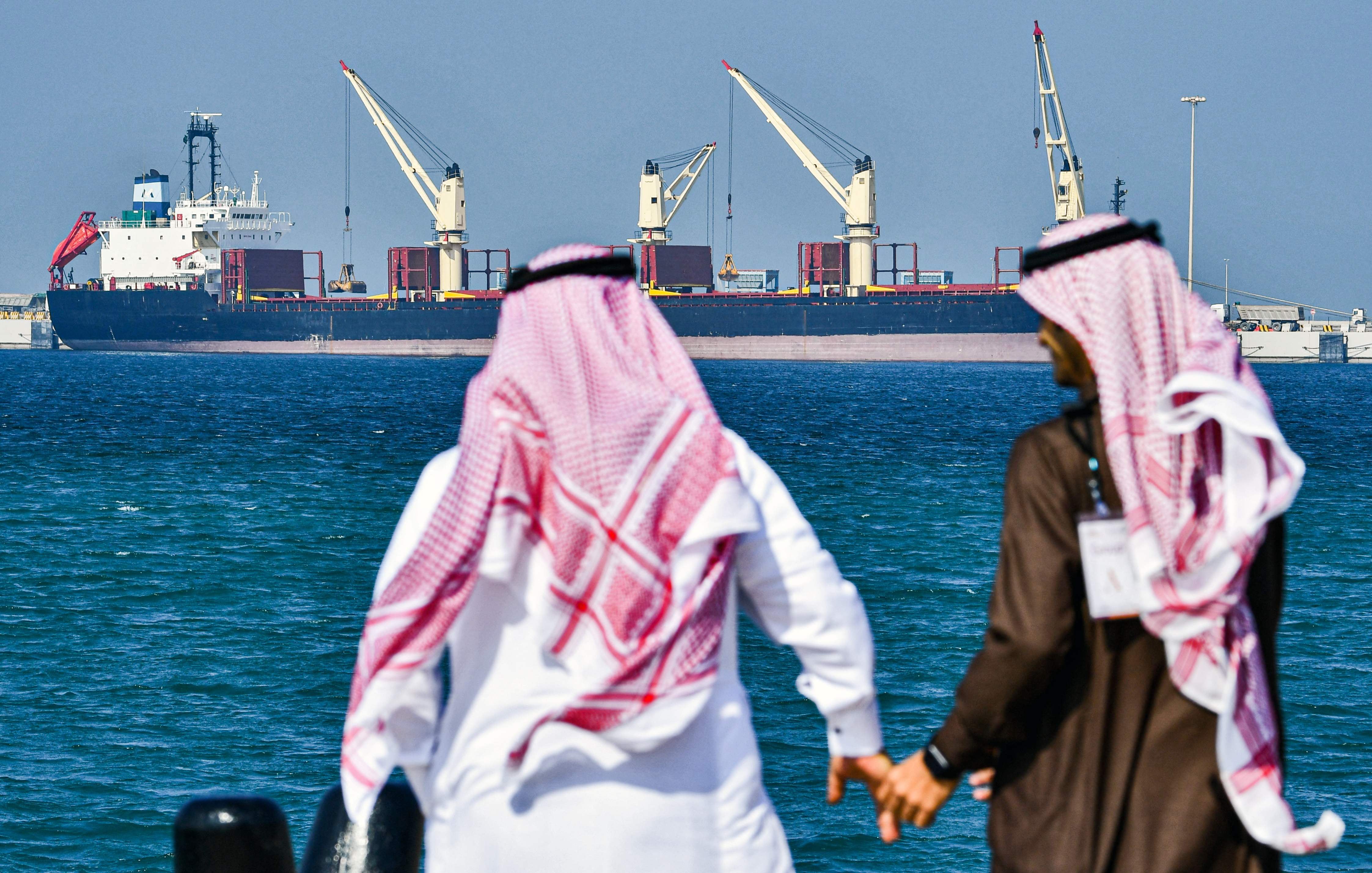
The Gulf states have long grappled with how to counter Iran without escalating tensions into outright warfare. Key concerns include Iran's nuclear program, ballistic missiles, ties to regional armed groups, and the strategic significance of the Strait of Hormuz. For decades, the region has adopted a pragmatic approach, balancing deterrence with dialogue.
The U.S. remains the principal external security ally, while Gulf nations bolster their own defenses, maintaining open channels with Tehran for trade and cooperation where politically feasible.
The recent conflict has exposed the fragility of this approach. Once military forces such as missiles and drones reach Gulf territories, and energy and shipping routes become entangled in the conflict, managing Iran's influence through deterrence and de-escalation alone becomes increasingly challenging. The question before the Gulf states is not returning to pre-war norms but constructing a new relationship with Iran.
One previous policy flaw was treating Iran through a one-size-fits-all "Iran strategy." Iran's role varies depending on the context: as a military power, nuclear actor, key player in Hormuz, and state with regional ties. These facets cannot be addressed uniformly. While air defense can neutralize missiles, it cannot resolve Hormuz's future.
Economic ties cannot deter attacks. Dialogue can mitigate miscalculations but cannot prevent military action. Military strength alone cannot establish maritime rules or foster economic ties.
Thus, the next Gulf policy phase may need to be more selective: firm in certain areas while remaining open in others, reducing the risk of conflating one issue with the entire relationship. The aim is to manage a complex neighborhood rather than pursue rapprochement for its own sake or assume rivalry can be easily resolved. Military tensions may persist alongside open political channels.
Maritime arrangements can still be discussed, even if disagreements on missiles and armed groups persist. Economic ties should not hinge solely on the political climate.
During the war, this delineation blurred. Iran's conflict with the U.S. and others spilled into the Gulf, forcing Gulf states to bear part of the cost of a conflict they did not start or desire. Future Gulf-Iranian dialogue must address how Iran is prevented from transferring war costs onto the Gulf. The American military presence in several Gulf states further complicates this.
Tehran may see the distinction between hosting U.S. forces and engaging in U.S. military operations as fluid during conflicts. However, the Gulf cannot accept the same logic: the U.S. presence on their soil could justify Iranian targeting whenever Washington and Tehran clash. This ambiguity carries significant costs.
This analysis does not advocate for Gulf neutrality nor does it call for a rethink of existing alliances. However, clearer limits are necessary. Defining what constitutes a direct party to a war is crucial. When does using a military base transition into participation in hostilities? Which civilian and economic facilities should stay out of the conflict?
These questions may lack easy answers, but leaving them undefined heightens the risk of repeating past dangers. Hormuz exemplifies this problem; the issue is not just about passing through the strait, but who sets the rules, what rights littoral states can enforce, and whether one side can impose new conditions on commercial traffic.
While opening the strait during crises can alleviate immediate disruptions, it does not prevent recurrence. A more enduring solution requires practical rules: communication between naval forces, incident response procedures, vessel protection, and clearer definitions of hostile actions. Yet, the efficacy of any agreement hinges on implementation.
For Gulf states, the true test lies in Iran's compliance, particularly given the Islamic Revolutionary Guard Corps' involvement in sensitive security matters. Success will be measured by whether ships are still detained, navigation rules are respected, and the agreement endures through significant incidents.
Finally, Gulf policy should more frequently consider what Iran stands to lose from escalating tensions. Deterrence often relies on the punitive cost of aggression. If the consequences are severe enough, states may think twice before acting aggressively. However, states also exercise restraint due to their own interests, unwilling to sacrifice crucial benefits. Iran's calculations must be considered in any future relationship framework.
Written by urgent.news from The National Business's reporting — not their text. Machine-written — may contain errors; check the original before relying on it.
Also reported by 1 other outlet
- A new Gulf-Iran relationship should separate rivalry from confrontation thenationalnews.com