9 to 5: Inside The Movement That Inspired the Iconic Film
When Dolly Parton died recently, radio stations and music streamers filled our ears with her irresistible anthem, “9 to 5.” The song topped the music charts and was nominated for an Oscar. It transformed Parton, making her movie debut, into
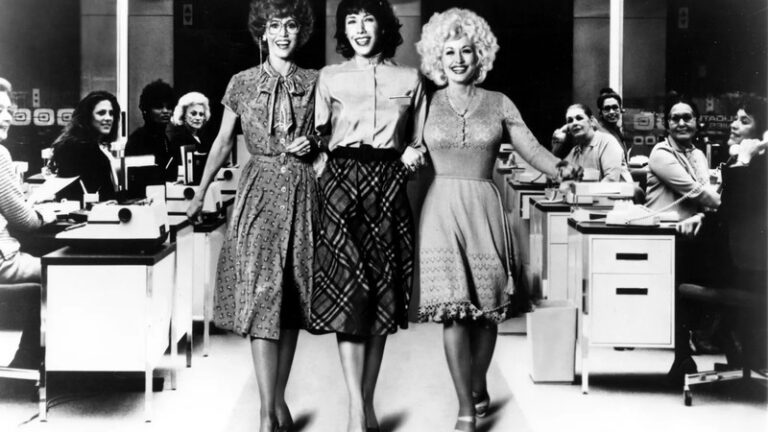
In 1980, the iconic film 9 to 5 was released, inspired by a real-life movement led by a small group of young women in Boston who fought for better working conditions for secretaries. The movie starred Jane Fonda, Lily Tomlin, and Dolly Parton as three office workers who confront sexism and inequality in the workplace. The film, which topped the music charts with Parton's anthem "9 to 5," resonated with audiences and became the second most popular movie of that year, behind only Star Wars: The Empire Strikes Back.
The story that inspired the film was just as remarkable. For six years, Karen Nussbaum had led 9to5, a grassroots organization that advocated for wages, promotions, and dignity for secretaries. Nussbaum, a baby boomer who grew up in a liberal home in a conservative Chicago suburb, became involved in the civil rights and anti-war movements during her college years.
She joined protests, attended rallies, and even went on a solidarity trip to Cuba. Despite the challenges she faced, including hate mail from members of the John Birch Society, Nussbaum remained committed to fighting for social justice.
When the movie 9 to 5 was released, it struck a chord with audiences. The film depicted the struggles of women in the workplace and their fight for better pay, benefits, and opportunities. The movie became a cultural phenomenon, with women cheering at screenings and demanding change in their own workplaces. The film was so successful that it became the second-highest-grossing movie of the year, behind Star Wars: The Empire Strikes Back.
Nussbaum's involvement in the film was a natural fit. She knew Dolly Parton from their days in the anti-war movement and recognized her talent as a singer and actress. Parton's powerful voice perfectly captured the spirit of change that the movie embodied. As the credits rolled and the movie theater lights came up, the audience fell silent, as if the men in the theater felt the same indignities as the women on screen. The movie became a symbol of the changing times and the demands for equality and respect in the workplace.
Written by urgent.news from Literary Hub's reporting — not their text. Machine-written — may contain errors; check the original before relying on it.