7 Fall Yard Habits That Help Pollinators Survive Winter
Leaves, hollow stems, bare soil, and fallen branches can all become winter habitat.
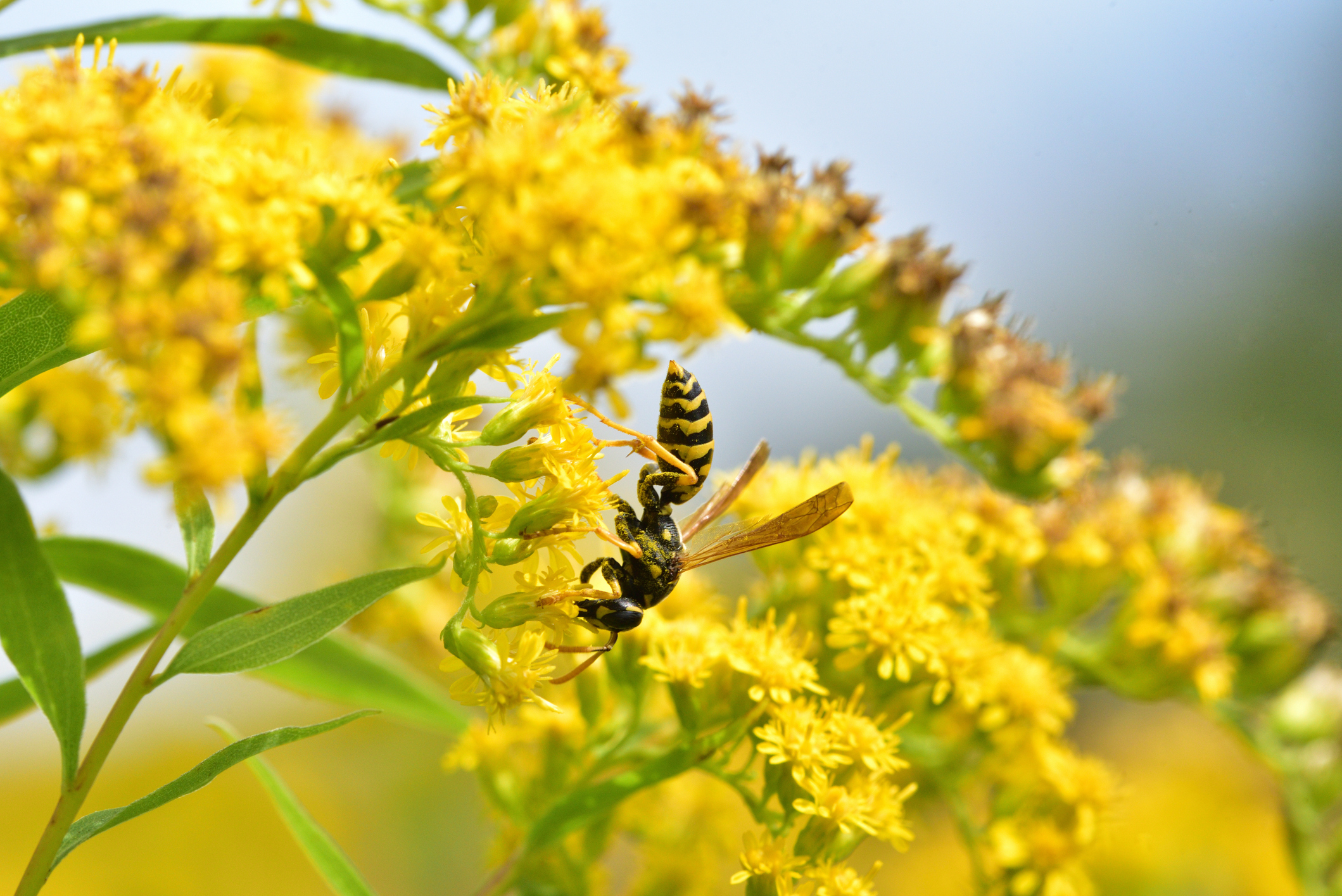
A few years ago, Katie Costanzo and her students collected eight bags of leaves from Buffalo homeowners. Inside those bags, they found insects from more than 25 families, including bees, wasps, lacewings, hoverflies, and beetles. This finding highlights the importance of not viewing fallen leaves, stems, and wood as trash. These materials provide essential habitat, food, and shelter for various pollinators and beneficial creatures during winter.
Mary Phillips, head of native plant habitat strategy at the National Wildlife Federation, emphasizes that pollinators include native bees, butterflies, moths, beetles, flies, and wasps, along with other beneficial creatures. Ecological landscape designer Kim Eierman suggests treating landscapes as ecosystems, regardless of their size.
She advises creating one quiet corner where leaves, stems, and branches can remain undisturbed. This approach can be applied to any available space, such as under a tree or behind shrubs. Costanzo and Eierman emphasize the benefits of leaving leaf litter on the ground, as it provides insulation for bumblebee queens and shelter for various invertebrates.
The leaves also return nutrients to the soil, suppress weeds, and create free mulch and compost. However, diseased plant material and invasive plants may need to be removed and disposed of properly. When raking leaves, it's essential to keep them away from play spaces and heavily used paths to avoid tick infestations. In wildfire-prone areas, habitat advice should not override defensible-space rules, which include removing leaves and other combustible debris from around structures.
Written by urgent.news from Time's reporting — not their text. Machine-written — may contain errors; check the original before relying on it.