Women in media challenged to drive implementation of Affirmative Action law
By: Rachel Kakraba The Ministry of Gender, Children and Social Protection, has encouraged women in the media to be instrumental in the effective implementation of the Affirmative Action Act (Gender Equity) Act, 2024. This is to engender sustained commitment, effective monitoring and accountability to ensure that the law does not remain merely a piece of […]
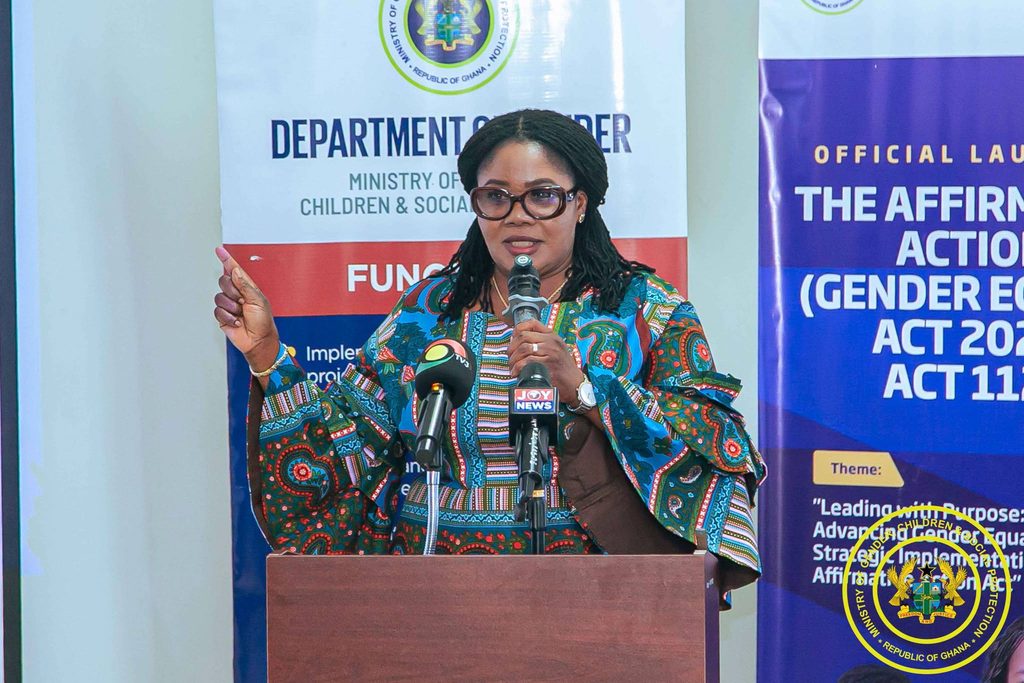
The Ministry of Gender, Children and Social Protection in Ghana has encouraged women in the media to play a crucial role in the implementation of the newly enacted Affirmative Action Act (Gender Equity) Act, 2024. This initiative aims to ensure that the law is not just a piece of legislation on paper, but truly benefits the public.
Dr. Agnes Naa Momo Lartey, the sector minister, emphasized the significant role the media plays in shaping public opinion and national development. She highlighted that the success of the Affirmative Action Act will depend on how visibly and tangibly the changes it promises become evident in people's lives.
Dr. Lartey acknowledged concerns that some women might have become accustomed to existing inequalities due to lack of exposure to alternative possibilities. She encouraged these women to see the potential benefits of greater participation for themselves and future generations.
Dr. Charity Binka, Chair of the African Women Leaders Network, stressed that the media must maintain public interest in the implementation of the law. She noted that while the law has been passed, Ghana has yet to achieve the target of 30% women representation in key decision-making positions. Dr. Binka urged media practitioners, particularly women, to deepen their understanding of the Act and actively promote its effective implementation.
The Chief Director of the Ministry, Dr. Marian Kpakpah, expressed hope that the media will contribute to the successful implementation of the law. She encouraged media practitioners to be intentional in promoting informed debate, challenging harmful stereotypes, holding institutions accountable, and translating policies into issues that resonate with citizens and inspire action.
Written by urgent.news from GBC Ghana's reporting — not their text. Machine-written — may contain errors; check the original before relying on it.