Why younger Filipinos are warming to China despite maritime tensions
Inside a car wash lounge in the southern Philippine city of Davao, Shenilane Formento scrolls through messages on her Chinese-made Oppo phone as she waits for a customer to pay. Formento, 29, has worked as a cashier for about a year. She follows developments in the South China Sea through news reports shared on her social media feeds, including frequent confrontations between Philippine and…
In the southern Philippine city of Davao, Shenilane Formento, a 29-year-old cashier, finds herself scrolling through messages on her Chinese-made Oppo phone while waiting for a customer to pay. She is well-versed in the ongoing disputes in the South China Sea, following them through social media posts. Formento's preference for China over the United States stems from her belief that Beijing is better equipped to address the high energy prices impacting the Philippines and the global economy, as opposed to the US-Iran war.
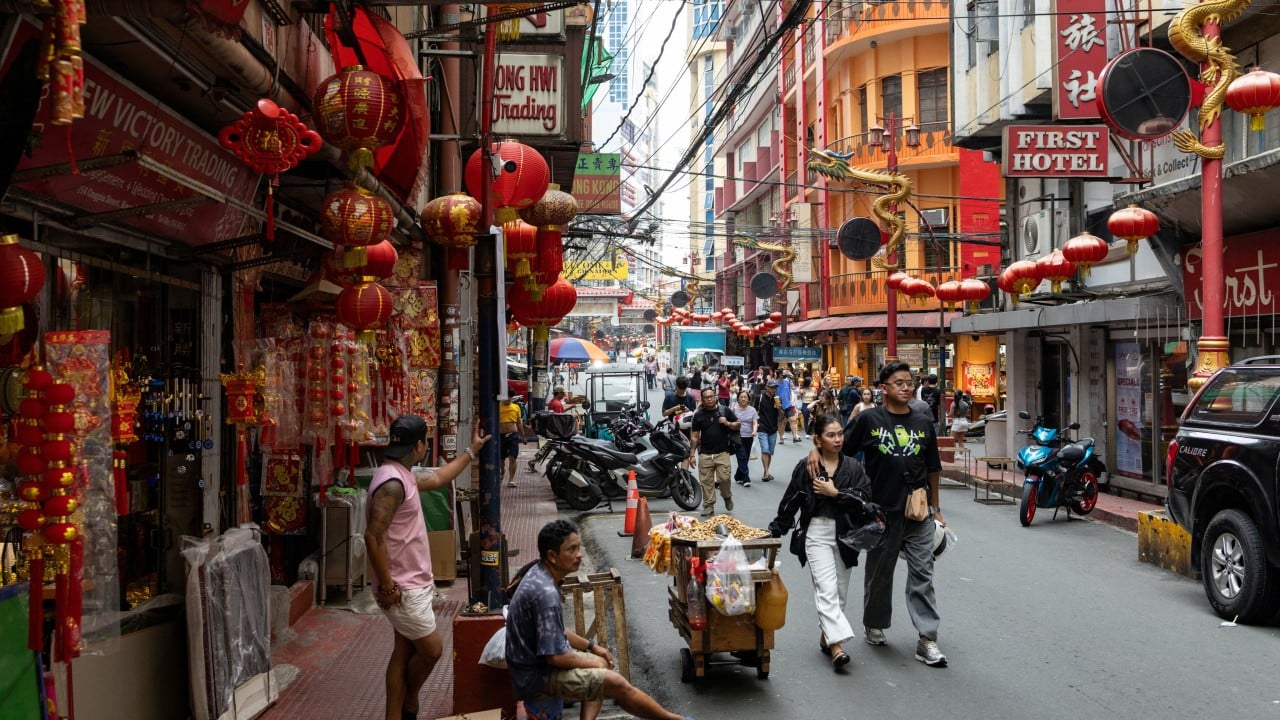
This sentiment reflects a broader trend among younger Filipinos who are increasingly favoring China despite its contentious actions in the disputed waters. A Pew Research Center survey revealed that 47% of Filipinos aged 18 to 34 view China favorably, compared to 44% of those aged 35 to 49 and 27% of those 50 and older. Moreover, 61% of the younger demographic have confidence in Chinese President Xi Jinping to act responsibly on the global stage, a stark contrast to the 32% among those 50 and older.
This shift in perception is attributed to the everyday encounters Filipinos have with China, such as Chinese technology, consumer products, entertainment, and social media content. Experts emphasize that these experiences contribute to a wider range of impressions of China, rather than a shift away from the United States. However, it is crucial not to assume that these favorable views of China translate into a decline in distrust towards China's territorial disputes.
The survey also indicated that 76% of Filipinos consider China the primary threat to their country, and 86% expressed concern over territorial disputes involving China and neighboring nations.
Written by urgent.news from South China Morning Post's reporting — not their text. Machine-written — may contain errors; check the original before relying on it.