Why we tell women to be careful instead of stopping killings
Why is the first thing we tell women when other women are killed that they need to be more careful, asks women's rights activist.
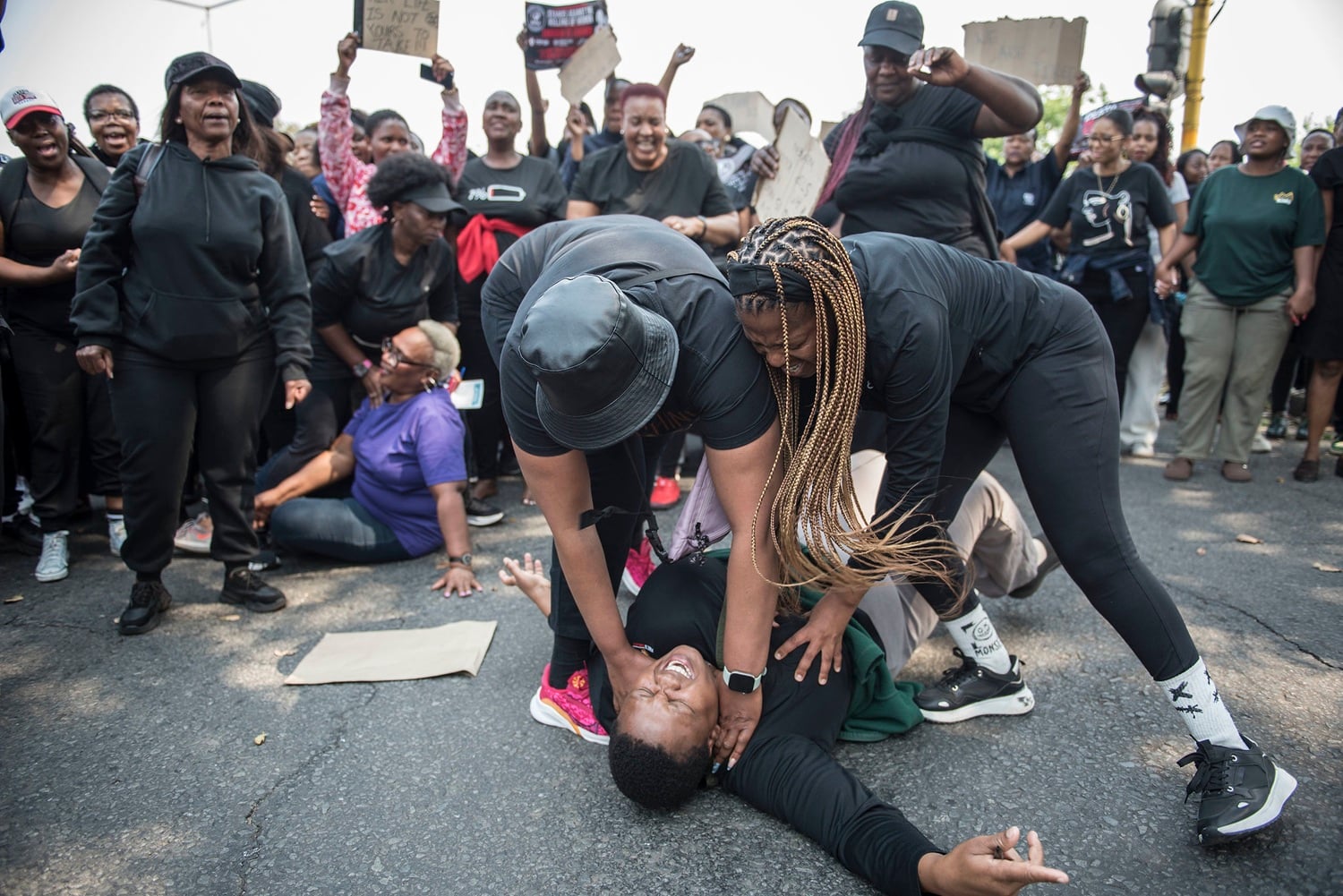
In recent weeks, many women have felt a heightened sense of fear and anxiety, struggling to comprehend why the primary advice offered to them after another woman's death is to be more cautious. One such woman, Elizabeth "Tsontso" Moselakgomo, a 38-year-old mother, went for her regular run in Kempton Park under normal daylight conditions and was never seen again.
Her lifeless body was discovered three days later, among nine other women whose remains have been found since July in Ekurhuleni. This growing trend of femicide has left many women feeling on edge, resorting to sharing their locations, calling out when they arrive home, and scrutinizing every step they take.
While practical safety advice is essential when there is an imminent threat, the conversation surrounding femicide continues to center on women's actions to avoid becoming victims. This message has been ingrained in women since childhood, but at some point, vigilance transforms into exhaustion. A woman should not be expected to become a master of risk assessment merely to lead a normal life. It is time to shift the focus to the role of the state in addressing this issue.
According to Section 7(2) of South Africa's 1996 constitution, the state is obligated to respect, protect, promote, and fulfill the rights outlined in the Bill of Rights. This responsibility must extend to the woman going for a run, the girl returning home from school, and the family that reports a missing woman. The scale of the problem is undeniable, with approximately 7.3 million South African women having experienced physical violence in their lifetime and more than 2.15 million experiencing sexual violence.
Gender-based violence and femicide have been declared a national crisis and disaster, with a National Strategic Plan in place for 2020-2030.
However, the question remains whether these policies, laws, and institutions effectively protect women before their bodies are discovered. The National Council on Gender-Based Violence and Femicide has been operationalized, with its primary focus on establishing a shareholder compact to define success and measurement methods. The council must be held accountable for these measures before the next body is found, not merely after.
The state's responsibility must begin with prevention, understanding the patterns of violence, and ensuring proper responses, rather than waiting for a woman's body to be found.
Men also have a vital role to play in this process. They must actively reject violence and challenge the attitudes, power imbalances, and social structures that normalize it. By doing so, men and boys can become critical partners in transforming the conditions that enable violence against women.
Written by urgent.news from The Citizen's reporting — not their text. Machine-written — may contain errors; check the original before relying on it.