Where should NZ stand on global AI risk? 3 principles to guide a stronger strategy
New Zealand has so far not joined other countries calling for tougher control of potentially dangerous AI development.
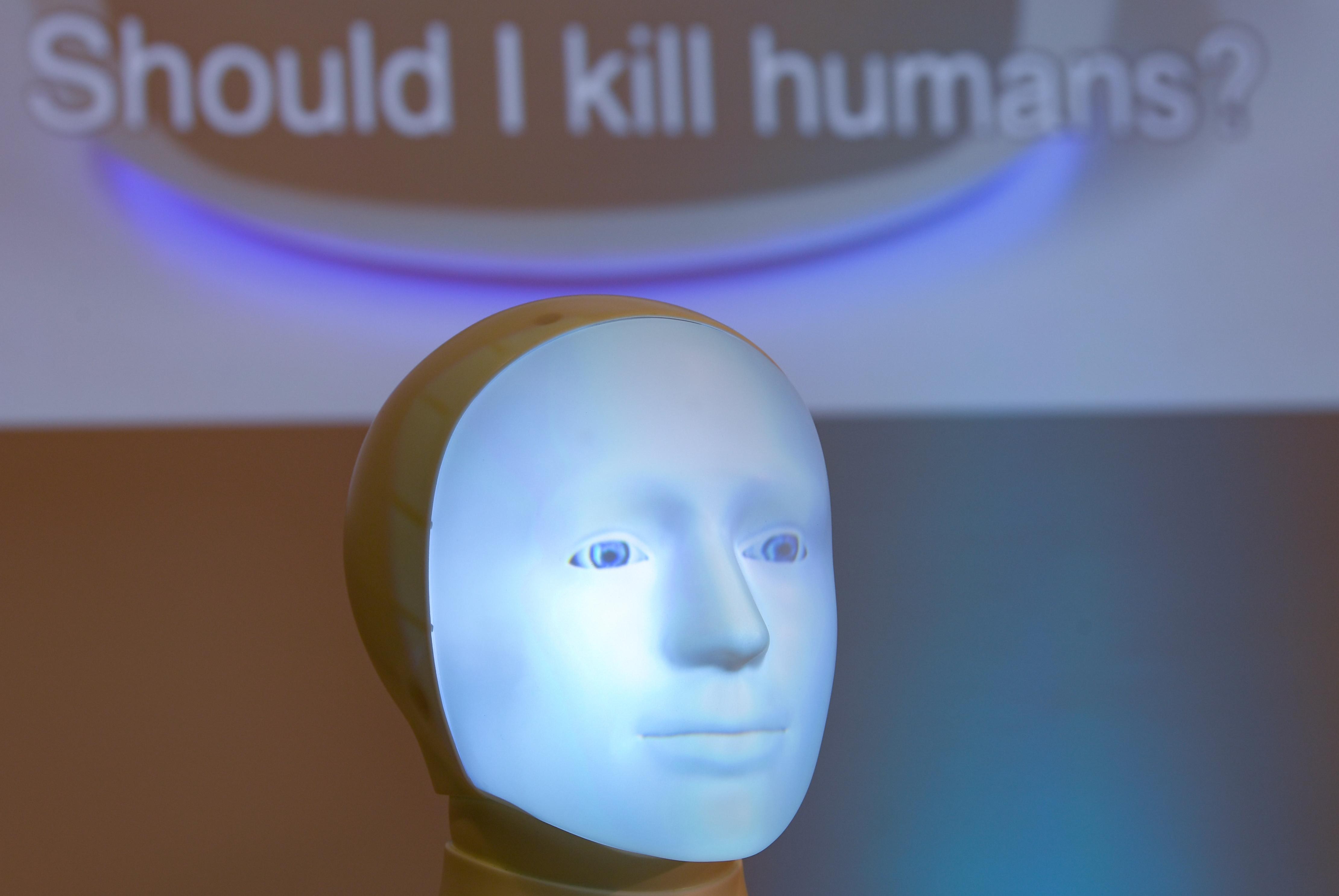
The United Nations General Assembly has seen 20 nations, including Australia and Canada, call for increased oversight of advanced AI systems during a recent gathering. However, New Zealand, along with the United States and China, did not join the initiative. The MIT AI Risk Initiative suggests that incidents of concern are occurring rapidly, and the global AI industry is raising questions about ethics, economy, equity, and security.
While there is disagreement over the potential doomsday scenario or a more benign view of AI's trajectory, investment in the industry is expected to surpass $1 trillion this year. The preliminary report of the UN Independent International Scientific Panel on AI found a significant gap between rapidly improving capabilities and effective risk management methods, potentially leading to catastrophic outcomes.
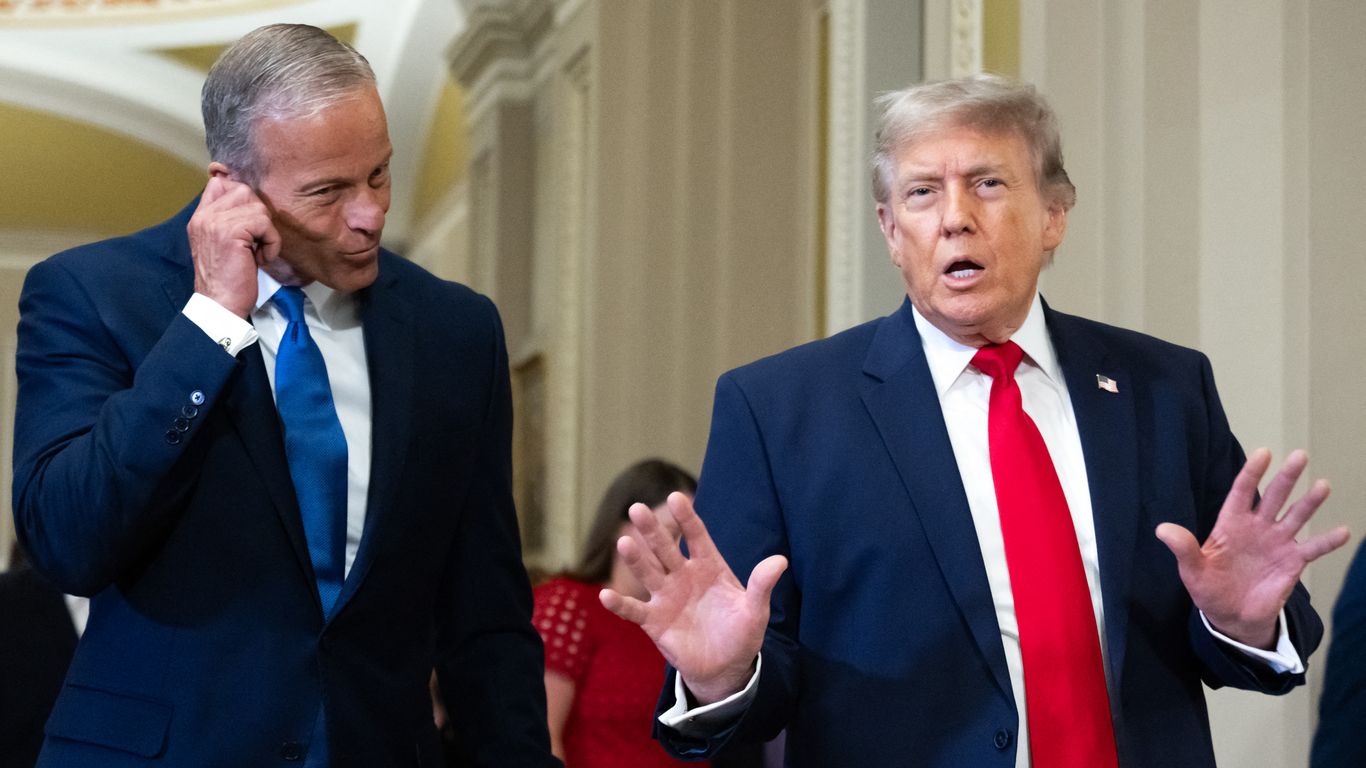
Despite these concerns, some argue that the economic benefits of AI outweigh the risks. New Zealand Prime Minister Christopher Luxon believes the opportunities still outweigh the risks and prefers a "light touch approach" to regulation, which avoids new laws. In contrast, the Labour opposition promises to establish an Office of AI within the Department of the Prime Minister and Cabinet, working with Australia to align regional standards on safety and security.
To better address the existential risks now being discussed globally, New Zealand could set three goals: advocate for a precautionary approach, promote scientific diplomacy, and prioritize the greatest risks. The precautionary principle guides New Zealand's policy-making, but mandatory pre-deployment testing and independent evaluation should be required for new technologies.
A model similar to the Intergovernmental Panel on Climate Change (IPCC) could provide more coordinated scientific advice, akin to climate change discussions. The greatest risks should be prioritized, such as war and conflict, biological hazards, and global financial systems. New Zealand can advocate for the positive use of AI in verifying the Biological Weapons Convention and seek a binding protocol on meaningful human control, accountability, and compliance with international laws in November.
Encouraging confidence-building measures to de-escalate geopolitical conflicts involving AI is also crucial.
Written by urgent.news from The Conversation AU's reporting — not their text. Machine-written — may contain errors; check the original before relying on it.